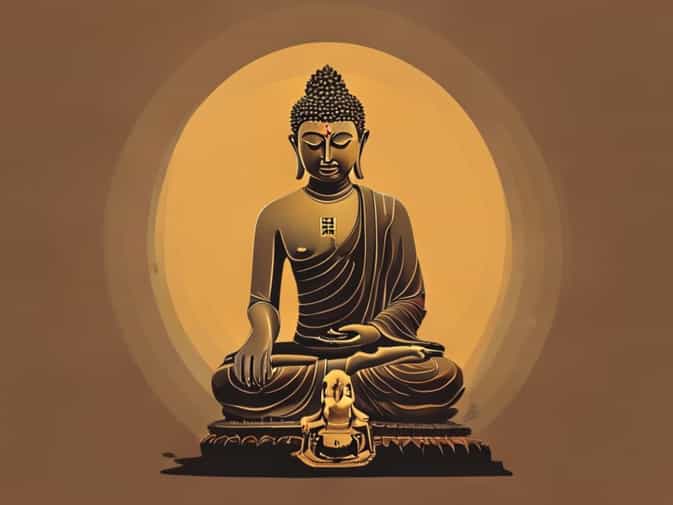
The birthplace of Gautam Buddha holds immense historical, spiritual, and cultural importance for millions around the world. Known as Lumbini, this sacred site is located in the Rupandehi District of Nepal, near the border with India. It is where Siddhartha Gautama, who would later become the Buddha the Enlightened One was born around the 6th century BCE. Today, Lumbini stands as a symbol of peace, compassion, and humanity, attracting pilgrims and travelers from all corners of the globe. The serenity and heritage preserved in this region make it one of the most significant landmarks in the history of Buddhism and world spirituality.
The Historical Background of Lumbini
Lumbini’s recognition as the birthplace of Gautam Buddha is supported by both ancient scriptures and archaeological discoveries. According to Buddhist texts, Queen Maya Devi, the mother of Prince Siddhartha, gave birth to him while traveling from her husband’s kingdom of Kapilavastu to her maternal home in Devadaha. During the journey, she stopped to rest in the beautiful Lumbini Garden, where Siddhartha was born beneath a sal tree.
Historical records suggest that Emperor Ashoka of India visited Lumbini in the 3rd century BCE to pay homage to the birthplace of the Buddha. His visit is commemorated by the Ashokan Pillar, a stone monument inscribed with Brahmi script that confirms Lumbini as the Buddha’s birthplace. This inscription has been crucial in establishing Lumbini’s authenticity as a historical and spiritual site.
The Discovery and Archaeological Importance
Lumbini’s rediscovery in modern times took place in 1896, when a German archaeologist, Alois Anton Führer, and General Khadga Shumsher Rana of Nepal identified the Ashokan Pillar. The discovery of this pillar, along with ancient ruins and monasteries, proved the location’s historical connection to Gautam Buddha. Since then, Lumbini has become a UNESCO World Heritage Site, recognized for its universal value to humanity.
Archaeological excavations have revealed ancient stupas, brick structures, and relics dating back more than 2,500 years. The site continues to be studied by scholars and archaeologists who seek to understand more about the early life of Siddhartha Gautama and the cultural development of the region during his time.
The Maya Devi Temple
At the heart of Lumbini lies the Maya Devi Temple, which marks the exact spot where Queen Maya Devi is believed to have given birth to Siddhartha. The temple is one of the oldest and most revered structures in Buddhist heritage. Inside, visitors can see ancient stone reliefs depicting scenes from the Buddha’s birth and a marker stone that signifies the precise birthplace.
Surrounding the temple is a sacred pond known as the Puskarini or Maya Devi Pond, where Queen Maya is said to have bathed before giving birth. The peaceful surroundings, the ruins of ancient monasteries, and the sacred Bodhi trees all contribute to the spiritual atmosphere of the site, inviting quiet reflection and meditation.
The Sacred Garden and Monastic Zone
The Lumbini Sacred Garden extends across a vast area, encompassing not only the Maya Devi Temple but also various monasteries, stupas, and monuments built by Buddhist communities from around the world. The garden is designed as a place of peace and coexistence, reflecting the core teachings of the Buddha non-violence, mindfulness, and unity.
The Monastic Zone is divided into eastern and western sections, representing different schools of Buddhism. The eastern zone is home to Theravada monasteries built by nations like Thailand, Myanmar, and Sri Lanka, while the western zone houses Mahayana and Vajrayana monasteries from countries such as China, Japan, and Nepal. These international monasteries showcase diverse architectural styles and cultural expressions, emphasizing the global influence of Buddhism.
The Ashokan Pillar A Symbol of Devotion
The Ashokan Pillar remains one of the most iconic features of Lumbini. Standing near the Maya Devi Temple, the pillar bears an inscription in Brahmi script that translates to Emperor Ashoka’s declaration of his visit and his reverence for the birthplace of Buddha. The inscription reads that Ashoka came here as a pilgrim and ordered the construction of a stone pillar and the reduction of taxes for the local people as an act of piety.
This pillar not only confirms the authenticity of Lumbini but also demonstrates how the teachings of Gautam Buddha influenced one of the greatest rulers in history. The Ashokan Pillar continues to symbolize devotion, peace, and the long-standing legacy of Buddhism.
The Symbolism of Lumbini in Buddhism
In Buddhist philosophy, Lumbini is not only a geographical location but also a symbol of new beginnings and enlightenment. The birth of Siddhartha Gautama represents the emergence of wisdom that would eventually lead humanity toward spiritual awakening. Visiting Lumbini allows Buddhists and non-Buddhists alike to reflect on the core values of compassion, mindfulness, and the pursuit of truth.
Pilgrims often describe a sense of tranquility and purity in Lumbini that transcends time. The atmosphere of the site embodies the message of peace that Gautam Buddha spread throughout his life. It is a place where silence speaks volumes, reminding visitors of the power of inner calm and self-awareness.
How to Reach Lumbini
Lumbini is accessible through several routes, making it convenient for international and local travelers. The nearest major city is Bhairahawa, also known as Siddharthanagar, which has an airport connected to Kathmandu, Nepal’s capital. From there, Lumbini is only about 22 kilometers away by road. Visitors coming from India can also enter through the Sunauli border crossing near Gorakhpur, which provides easy access to the site.
Once in Lumbini, tourists can explore the area on foot, by bicycle, or using electric rickshaws. The site is organized into zones to encourage peaceful exploration without the noise and pollution of vehicles, preserving the spiritual environment.
Pilgrimage and Cultural Significance
For Buddhists, visiting the birthplace of Gautam Buddha is one of the most important pilgrimages. Lumbini is part of the Buddhist Circuit, which includes other significant sites such as Bodh Gaya (the place of enlightenment), Sarnath (where Buddha gave his first sermon), and Kushinagar (where he attained nirvana). Pilgrims from countries like Japan, Thailand, Sri Lanka, China, and Myanmar come here to pay homage, meditate, and perform religious rituals.
Each year, festivals such as Buddha Jayanti celebrating the birth, enlightenment, and death of Buddha attract thousands of devotees. The celebrations include prayers, processions, and cultural performances that honor the timeless teachings of the Enlightened One.
UNESCO World Heritage Site
In 1997, Lumbini was officially declared a UNESCO World Heritage Site. The recognition aimed to preserve its historical structures and spiritual essence. UNESCO’s conservation efforts have focused on protecting the archaeological remains, maintaining the sanctity of the area, and promoting sustainable tourism that respects both heritage and environment.
This international acknowledgment also underscores Lumbini’s significance not just to Buddhists but to all humanity, as it represents universal values of peace, harmony, and enlightenment.
Modern Development and Preservation Efforts
Lumbini continues to evolve as both a spiritual and educational center. The Lumbini Development Trust oversees the preservation and enhancement of the site. Modern amenities have been introduced carefully to accommodate pilgrims while maintaining the area’s sacred atmosphere. Efforts are being made to expand research facilities, establish meditation centers, and promote eco-friendly tourism.
The Master Plan for Lumbini, designed by Japanese architect Kenzo Tange, focuses on balancing development with serenity. It ensures that the site remains a peaceful haven for spiritual seekers while providing educational opportunities for those interested in Buddhist studies.
The birthplace of Gautam Buddha in Lumbini is not merely a historical site it is a timeless reminder of peace, compassion, and spiritual awakening. Every element of this sacred land, from the Ashokan Pillar to the Maya Devi Temple, tells the story of a man whose teachings transformed the world. Lumbini stands today as a beacon of hope, inspiring people to seek inner peace and live with kindness and mindfulness. For anyone interested in history, spirituality, or human values, a visit to Lumbini offers a profound journey into the heart of enlightenment.