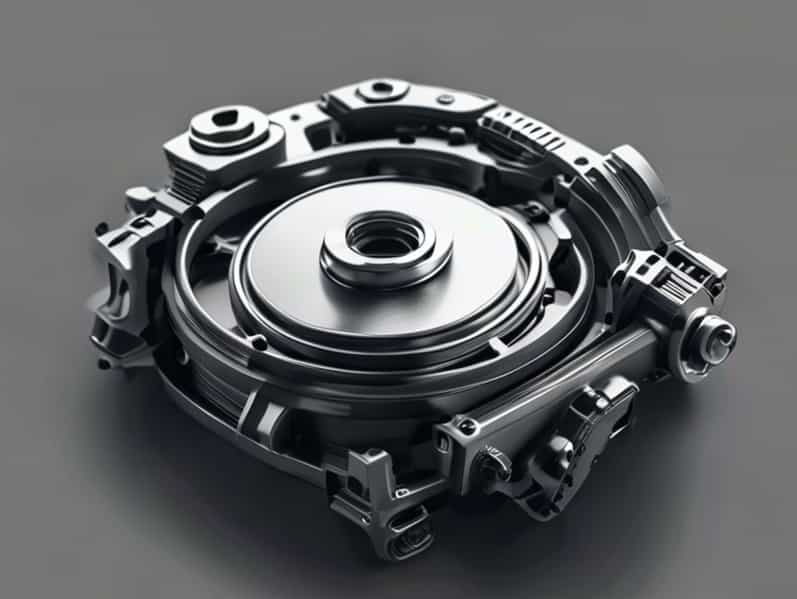
Resealing an engine timing cover is a critical maintenance task for any vehicle owner who wants to maintain optimal engine performance and prevent oil leaks. The timing cover plays a pivotal role in protecting the timing chain or belt and associated components from debris and contaminants, while also retaining engine oil to ensure proper lubrication. Over time, the gasket or seal on the timing cover can degrade, leading to leaks that not only create a mess but may also affect engine performance if left unaddressed. Understanding the process and importance of an engine timing cover reseal is essential for both DIY enthusiasts and professional mechanics.
What is an Engine Timing Cover?
The engine timing cover is typically a metal or composite housing that encases the timing chain or belt system at the front of the engine. This cover protects vital engine components from dust, dirt, and other external contaminants, ensuring that the timing system operates smoothly. Additionally, the timing cover helps contain the engine oil, which lubricates the timing components and prevents premature wear. Due to constant exposure to heat, pressure, and engine oil, the timing cover gasket or seal can wear out over time, necessitating a reseal.
Functions of the Timing Cover
- Protects timing chains, belts, and gears from external debris
- Retains engine oil for proper lubrication of timing components
- Prevents contaminants from entering the timing system
- Contributes to overall engine efficiency and longevity
Signs That a Timing Cover Needs Resealing
Identifying when an engine timing cover requires resealing is crucial to prevent serious engine problems. Some common signs include
- Visible oil leaks at the front of the engine
- Oil pooling underneath the vehicle after it has been parked
- Burning oil smell due to oil leaking onto hot engine components
- Low engine oil levels despite regular maintenance
- Engine performance issues caused by insufficient lubrication of timing components
Ignoring these signs can lead to more severe issues, including engine overheating, timing chain or belt damage, and increased wear on internal components.
Common Causes of Timing Cover Leaks
Several factors contribute to timing cover leaks and the eventual need for resealing
- Age and wear of the timing cover gasket or seal
- Exposure to extreme temperatures causing gasket deterioration
- Improper installation of the timing cover or gasket
- Engine vibrations loosening bolts or warping the cover
- Contaminants damaging the gasket surface over time
Steps to Reseal an Engine Timing Cover
Resealing a timing cover requires careful attention to detail and the right tools. The process generally involves removing the timing cover, cleaning all surfaces, replacing the gasket or seal, and reinstalling the cover to ensure a proper seal. Here is an overview of the key steps
1. Preparation
Before beginning the reseal process, it is essential to gather the necessary tools and materials, including a new gasket or timing cover seal, sealant (if required), a torque wrench, screwdrivers, and cleaning supplies. Ensure the engine is cool and the vehicle is on a stable surface. Disconnect the battery to prevent accidental engine starts during the procedure.
2. Removing the Timing Cover
The timing cover must be carefully removed to access the gasket or seal. This often involves
- Draining the engine oil to prevent spills
- Removing accessories or components obstructing access to the timing cover, such as the serpentine belt, pulleys, or harmonic balancer
- Unbolting the timing cover carefully without damaging the surface
It is crucial to document or photograph the disassembly process to aid in proper reinstallation.
3. Cleaning and Surface Preparation
After removing the timing cover, thoroughly clean the mating surfaces to remove old gasket material, oil, and debris. Using a scraper or chemical gasket remover helps ensure that the new seal adheres properly. Any leftover residue can cause leaks or uneven sealing, so taking time to achieve a clean surface is essential.
4. Installing the New Gasket or Seal
Place the new gasket or seal carefully, aligning it with all bolt holes and mating surfaces. Some engines may require a small amount of sealant, while others rely solely on the gasket material. Follow the manufacturer’s recommendations for the type and amount of sealant to avoid overapplication, which can create obstructions or leaks.
5. Reinstalling the Timing Cover
Once the gasket or seal is in place, reinstall the timing cover and secure it using the correct bolt sequence and torque specifications. Over-tightening or unevenly tightening bolts can warp the cover or damage the gasket, leading to leaks. Ensuring proper alignment and torque is critical for a successful reseal.
6. Refilling Engine Oil and Testing
After reinstalling the timing cover, refill the engine with fresh oil and reconnect the battery. Start the engine and allow it to reach normal operating temperature while checking for any signs of leaks around the timing cover. It is advisable to monitor the area for a few days to confirm that the reseal was successful and that no further oil leaks occur.
Tips for a Successful Timing Cover Reseal
- Use high-quality gaskets and seals that match the specific engine model
- Follow the manufacturer’s torque specifications carefully
- Ensure all surfaces are clean and free of debris
- Replace any worn bolts, pulleys, or other components encountered during disassembly
- Take your time and double-check alignment before final tightening
Benefits of Resealing the Timing Cover
Resealing the timing cover offers several benefits for engine performance and longevity
- Prevents oil leaks that can damage engine components or create fire hazards
- Maintains proper lubrication of timing components, reducing wear
- Improves engine efficiency and prevents potential overheating
- Extends the lifespan of the engine and associated parts
- Reduces maintenance costs by preventing more serious repairs due to neglect
Resealing an engine timing cover is a critical maintenance task that should not be overlooked. By understanding the function of the timing cover, recognizing the signs of leaks, and following proper resealing procedures, vehicle owners can maintain engine integrity and prevent costly repairs. Attention to detail, using the right materials, and adhering to manufacturer specifications are key to a successful reseal. Whether performed by a professional mechanic or a skilled DIY enthusiast, ensuring that the timing cover is properly sealed helps maintain optimal engine performance, prolongs component life, and keeps the vehicle running reliably for years to come.