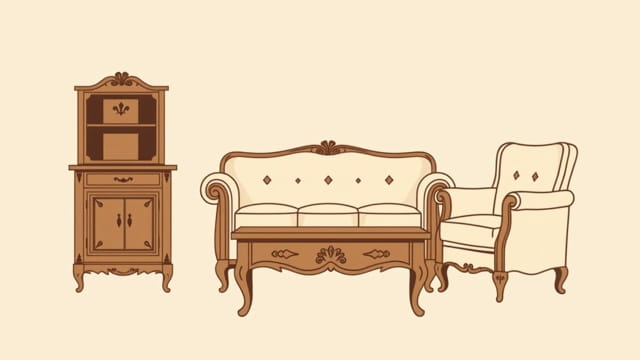
In the world of antique and collectible furnishings, few styles evoke the same sense of historical charm and bold craftsmanship as vintage Jacobean furniture from the 1920s. This furniture style, inspired by the English Jacobean period of the early 17th century, enjoyed a strong revival during the early 20th century. With its solid construction, dark wood tones, and ornate carvings, Jacobean revival furniture from the 1920s became a hallmark of elegance and tradition in American and European homes alike. Today, these pieces are not only prized by collectors but also cherished by interior designers seeking to add a touch of heritage to modern spaces.
Understanding Jacobean Revival Furniture
Jacobean furniture originally emerged during the reign of King James I of England (16031625), characterized by a fusion of Gothic, Tudor, and Renaissance influences. The revival in the 1920s brought back many of these elements with a fresh approach. The furniture was robust, angular, and designed to impress. While still drawing inspiration from the 17th century, 1920s Jacobean revival pieces often incorporated contemporary manufacturing techniques that made them more accessible and functional for modern households of the time.
Key Characteristics of 1920s Jacobean Furniture
To identify and appreciate vintage Jacobean furniture from the 1920s, it helps to understand its distinguishing features. Many of these elements highlight the craftsmanship and bold aesthetic that define this style:
- Heavily Carved Details: Elaborate motifs such as scrolls, acanthus leaves, and floral patterns were often hand-carved into chair backs, drawer fronts, and table legs.
- Dark Woods: Common materials included oak, walnut, and mahogany, stained in deep, rich tones.
- Twist or Barley Legs: One of the most iconic features of Jacobean revival furniture, spiral-turned legs added a sculptural quality to chairs, tables, and cabinets.
- Sturdy Structure: These pieces were built to last, with thick frames and solid joints that emphasized durability.
- Geometric Designs: Patterns and silhouettes were often angular and symmetrical, giving the furniture a grounded and architectural look.
Popular Types of Jacobean Furniture from the 1920s
Vintage Jacobean pieces from the 1920s span a wide range of furniture types, many of which were staples in traditional households. These items can still be found today at estate sales, antique shops, and online vintage marketplaces.
Jacobean Dining Sets
One of the most impressive displays of Jacobean style can be found in dining room sets. Large dining tables with carved legs, paired with high-backed chairs featuring intricate backs and leather or tapestry upholstery, were common. Buffets and sideboards with raised panels and bold moldings were also part of coordinated sets.
Armchairs and Side Chairs
Seating from this period was both decorative and functional. Jacobean armchairs often had wide arms and thick legs with carved elements. Side chairs, often placed in pairs, featured upholstered seats and wooden backs adorned with symmetrical motifs.
Bedroom Furniture
1920s bedroom sets in the Jacobean style often included massive bed frames, tall dressers, and matching nightstands. The beds typically featured high headboards with panels and moldings, giving them a dramatic presence in the room.
Cabinets and Sideboards
Storage pieces in this style were equally detailed, with cabinets offering rich woodwork and functional space. Sideboards from this era not only stored fine china but also acted as statement pieces in dining rooms and parlors.
Craftsmanship and Materials
One of the reasons why Jacobean furniture from the 1920s remains so collectible is the quality of its craftsmanship. This was a period when manufacturers still relied heavily on hand tools and skilled artisans to create detailed work. Although machine tools were becoming more common, many Jacobean revival pieces still reflect the quality of handcrafted furniture.
Solid Woods and Joinery
Pieces from this era were typically made with solid woods like oak or mahogany. Dovetail joints, mortise and tenon constructions, and hand-planed surfaces contributed to the strength and longevity of the furniture.
Hand-Carved Ornamentation
Carvings were often executed with a level of detail that is difficult to reproduce today. From floral scrolls to biblical and classical motifs, the ornamentation added a layer of artistry and uniqueness to every piece.
Styling with Jacobean Furniture Today
Despite being over a century old, Jacobean revival furniture remains a relevant and beautiful addition to many interiors. Its bold appearance can be used as a focal point or integrated into eclectic, traditional, or even modern farmhouse styles.
Pairing with Modern Elements
To prevent a room from feeling too heavy or dated, many decorators balance vintage Jacobean pieces with lighter, more neutral tones. For example, a dark wood Jacobean table can be paired with cream or linen-upholstered chairs. Similarly, a carved buffet can be styled with modern lighting and minimal décor to create contrast.
Restoration and Care
Maintaining the beauty of 1920s Jacobean furniture involves regular dusting and occasional polishing with wood-safe oils or waxes. Restoration may include refinishing surfaces or reupholstering seats. Because of their age, these pieces may have some wear, but proper care can preserve their value and appearance for generations.
Tips for Buying Vintage Jacobean Furniture
When shopping for vintage Jacobean furniture from the 1920s, whether online or in-person, it helps to know what to look for to ensure authenticity and quality.
- Check for solid wood construction rather than veneers or composite materials.
- Examine carvings closely to see if they are hand-done rather than mass-produced.
- Look for signs of age, such as minor wear or patina, which can authenticate the piece.
- Ask for the history or provenance of the piece if available, especially for valuable items.
- Measure carefully to ensure the piece will fit in your space, as Jacobean furniture tends to be large and heavy.
Vintage Jacobean furniture from the 1920s is more than just a nod to the past it is a celebration of craftsmanship, history, and design. These pieces have stood the test of time, offering a sense of permanence and artistry that modern mass-produced furniture often lacks. Whether you are a collector, a decorator, or someone looking to infuse your home with character, Jacobean revival pieces provide a strong foundation. With careful selection and thoughtful styling, these timeless furnishings can continue to bring beauty and functionality to today’s living spaces.