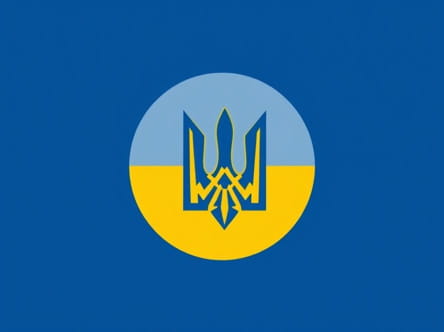
The national flag of Ukraine is a simple yet powerful symbol representing the identity, independence, and cultural heritage of the Ukrainian people. Composed of two horizontal bands of blue and yellow, the flag carries deep historical and emotional significance. These two colors have become synonymous with Ukraine’s national pride and the enduring spirit of its citizens. The flag is not just a banner flown above public buildings; it is an emblem of unity, resistance, and freedom. Understanding the flag of Ukraine requires a look into its design, symbolism, historical background, and the role it plays in modern national consciousness.
Design and Structure of the Ukrainian Flag
Simple but Meaningful Design
The Ukrainian flag features two horizontal stripes of equal size. The top half is blue, and the bottom half is yellow. There are no symbols, coats of arms, or other decorations. Its minimalist design is striking and visually memorable. The flag’s simplicity allows it to be instantly recognizable both in Ukraine and around the world.
Proportions and Variants
The official proportions of the Ukrainian flag are 23, which means the height of the flag is two-thirds of its width. Although the design is uniform, the flag can be found in different sizes depending on where it is displayed on flagpoles, government buildings, sports events, or private homes. Occasionally, the flag is also displayed vertically, especially on narrow buildings or during ceremonies.
Symbolism of the Colors
Blue and Yellow Natural Elements
The two colors of the Ukrainian flag represent elements of the country’s natural landscape
- BlueThe blue stripe symbolizes the vast and open sky that stretches above the country, reflecting peace, clarity, and freedom.
- YellowThe yellow stripe represents the golden wheat fields that cover much of Ukraine’s land, symbolizing prosperity, agriculture, and the hardworking spirit of the Ukrainian people.
Historical Interpretations
In addition to their natural meanings, the colors also reflect historical traditions. Blue and yellow have long been associated with Ukrainian heraldry and regional emblems, especially in western parts of the country. These colors were used in flags of various Ukrainian entities, dating back to medieval times and the Cossack period.
Historical Background
Early Use of Blue and Yellow
Blue and yellow began appearing in Ukrainian heraldry as early as the 12th century. These colors were featured in the coats of arms of cities and noble families in regions such as Lviv and Kyiv. During the 19th century, when nationalist movements were gaining strength in Europe, the blue and yellow combination became a symbol of Ukrainian identity and independence efforts.
Flag in the 20th Century
Ukraine declared independence briefly in 1918 during the Ukrainian People’s Republic. The blue and yellow flag was officially adopted during this time. However, when Ukraine became part of the Soviet Union, the flag was banned, and the Soviet red flag was used instead. The blue and yellow flag remained a symbol of resistance and nationalism among Ukrainians both inside and outside the USSR.
Reinstatement in 1991
After the collapse of the Soviet Union, Ukraine declared full independence on August 24, 1991. The blue and yellow flag was reinstated as the national flag on January 28, 1992. Since then, it has been the official banner representing Ukraine in domestic and international contexts.
National Significance and Identity
Symbol of Independence
The flag of Ukraine has come to represent more than just a country’s territory. It symbolizes national sovereignty and the fight for freedom. During protests, revolutions, and times of conflict, the flag has been used by citizens to assert their identity and express their desire for self-determination.
Presence in Daily Life
The Ukrainian flag is widely used across the country. It is flown on public buildings, schools, and private residences. People wear the flag’s colors on clothing, accessories, and even paint them on their faces during sports events and political rallies. It is also a key feature in national celebrations like Independence Day and Constitution Day.
The Flag in Times of Conflict
Symbol of Resistance
In recent years, the flag of Ukraine has taken on an even greater role as a symbol of resistance. During the Euromaidan protests of 2013-2014, it was a prominent sight across Kyiv and other cities. Protesters draped themselves in the flag as a statement of support for democracy and European integration.
Role During Invasion
Since the 2022 full-scale invasion of Ukraine by Russian forces, the flag has become a global icon of Ukrainian resilience. Citizens use the flag as a symbol of unity and determination. Around the world, people have flown the Ukrainian flag in solidarity, demonstrating support for the nation’s right to sovereignty and freedom.
International Recognition
Diplomatic Use
The flag is prominently used in diplomatic missions and international organizations. It is displayed during state visits, official summits, and United Nations meetings. The presence of the Ukrainian flag in these arenas communicates the legitimacy and independence of the Ukrainian state.
Global Symbolism
Beyond its use by the Ukrainian government, the flag has become a recognizable international symbol of democracy and resistance against oppression. It has been used in global movements supporting Ukraine, often seen in social media profiles, public demonstrations, and humanitarian campaigns.
Respect and Etiquette
Proper Display
There are specific protocols for displaying the Ukrainian flag. It should always be flown with the blue stripe on top when displayed horizontally. When hung vertically, the blue stripe should be on the left from the viewer’s perspective. Disrespecting or mishandling the flag is considered inappropriate and can even be illegal in some contexts.
National Flag Day
Ukraine celebrates its National Flag Day on August 23 each year. This date commemorates the moment in 1991 when the flag was first raised outside the Ukrainian Parliament building following independence. Ceremonies, speeches, and public events mark the occasion, often accompanied by patriotic displays and cultural performances.
The flag of Ukraine is much more than a visual emblem. It is a statement of history, culture, and unwavering national pride. With its bold yet simple design of blue and yellow stripes, it represents the open skies and fertile fields of the land, as well as the struggles and triumphs of its people. Throughout history and into the present day, the flag has served as a unifying force for Ukrainians at home and abroad. Whether raised during peaceful celebrations or in times of conflict, it remains a powerful symbol of a nation’s identity, values, and future. Understanding the flag of Ukraine means recognizing the resilience and spirit of a proud and determined people.