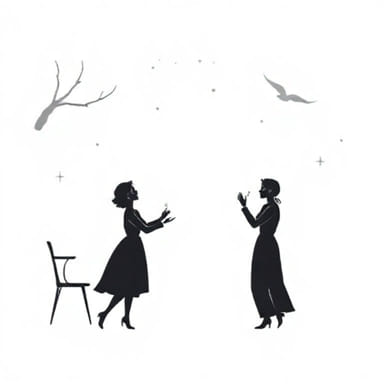
First performed in 1941, Blithe Spirit is a timeless comedic play by Noël Coward that cleverly blends the supernatural with satire. Known for its quick-witted dialogue and unusual premise, the play remains a favorite in both professional and amateur theater. The story revolves around a séance gone wrong, resulting in comedic chaos as one man finds himself haunted literally and figuratively by his romantic past. This synopsis explores the characters, major plot developments, and the central themes of the play, offering a detailed understanding of why Blithe Spirit continues to enchant audiences.
Setting and Atmosphere
The play is set in the comfortable country home of Charles Condomine, a successful novelist, in Kent, England. The time is the early 1940s, and the setting reflects upper-middle-class domestic life, complete with polite conversation, cocktails, and sharp British humor. However, beneath the civilized surface lies an unexpected encounter with the supernatural that disrupts everyday norms.
Main Characters
- Charles Condomine– A sophisticated and somewhat cynical writer who is the central character of the play. He invites a medium to his home for research, only to regret it later.
- Ruth Condomine– Charles’s second wife, intelligent and practical. She is skeptical of the supernatural and serves as a grounding presence until things spiral out of control.
- Elvira– Charles’s deceased first wife, who is accidentally summoned during the séance. She is mischievous, flirtatious, and intent on reclaiming Charles.
- Madame Arcati– The eccentric and enthusiastic medium who performs the séance. She believes wholeheartedly in the spirit world and becomes a comedic centerpiece.
- Dr. and Mrs. Bradman– Dinner guests who attend the séance. They serve as outsiders who comment on the absurdity of the situation.
- Edith– The nervous maid who unwittingly plays a crucial role in the supernatural events of the play.
Act I The Unexpected Summoning
Charles Condomine plans a dinner party with the intention of gathering material for his next novel, which is to feature a fake medium. To research the subject, he invites Madame Arcati, a local spiritualist known for her bizarre behavior. Ruth, Charles’s wife, and their friends, the Bradmans, are skeptical but amused. During the séance, to everyone’s shock, Madame Arcati accidentally conjures the ghost of Elvira, Charles’s first wife. Only Charles can see and hear her, which leads to immediate confusion and disbelief from Ruth.
Consequences Begin to Unfold
Elvira’s ghostly presence begins to cause problems for Charles and Ruth. While Charles is initially amused and flattered by Elvira’s return, it quickly becomes apparent that she has no intention of leaving. Her attempts to sabotage Charles’s current marriage grow increasingly disruptive, including manipulating objects and speaking to him in ways that Ruth misinterprets.
Act II Chaos in the Living Room
As Elvira’s hauntings intensify, Charles begins to regret ever inviting Madame Arcati. Ruth, still unable to see Elvira, grows suspicious and frustrated with Charles’s odd behavior and seemingly imaginary conversations. She begins to fear for her marriage and sanity. Charles, meanwhile, finds himself emotionally torn and physically endangered. Elvira’s goal is to reunite with Charles in death, and she tampers with his car in hopes of killing him so they can be together in the afterlife.
A Fatal Mistake
The plan backfires when Ruth, driving Charles’s sabotaged car, dies in a crash. Her spirit returns to the house, joining Elvira in ghostly form. Now haunted by two wives, Charles finds himself utterly overwhelmed. Ruth and Elvira bicker constantly and begin to gang up on Charles, leaving him with no peace in either the physical or spiritual world.
Act III Seeking Resolution
Desperate to rid himself of both spirits, Charles once again calls upon Madame Arcati for help. Initially pleased with her successful séance, Madame Arcati is baffled to learn that the spirits have not returned to the other world. She performs a second séance, but nothing changes. After further investigation, Madame Arcati realizes that it was Edith the maid, with her latent psychic abilities, who provided the mediumistic energy needed to call forth the ghosts.
A Final Attempt at Freedom
With this knowledge, Madame Arcati involves Edith in the final séance. After much effort, Edith successfully sends both Elvira and Ruth back to the afterlife. Madame Arcati celebrates her success and leaves, but warns Charles to be careful just in case. Charles, now alone, reflects on the chaos caused by the spirits and bids sarcastic farewells to both wives.
Themes and Literary Elements
Marriage and Conflict
Blithe Spirit explores the dynamics of marriage through the humorous conflict between Charles and his two wives. The play satirizes the institution of marriage, particularly the idea that one can ever truly escape past relationships. Through exaggerated character traits, Coward illustrates the incompatibility of romantic ideals and personal freedom.
The Supernatural in Comedy
Unlike traditional ghost stories, Coward uses the supernatural for comedic effect rather than fear. Ghosts in Blithe Spirit are mischievous rather than malevolent, and their interactions with the living are absurd rather than terrifying. The blending of realism and fantasy keeps the audience entertained while raising questions about life, death, and memory.
Irony and Wordplay
Noël Coward’s trademark wit shines through the dialogue, filled with sarcasm, irony, and double meanings. The clever language contrasts with the ridiculous situation, heightening the comedic effect. This use of sharp dialogue allows the characters to remain charming, even in their most flawed or selfish moments.
Legacy and Continued Appeal
Blithe Spirit remains one of Noël Coward’s most popular plays due to its universal themes and fast-paced humor. The blend of ghostly mischief and domestic satire continues to resonate with modern audiences. Over the years, the play has seen numerous revivals and adaptations, including films, radio productions, and musicals.
Why Audiences Still Love It
- Its humor is timeless and transcends eras and cultures.
- The dialogue is snappy and filled with personality.
- The situation being haunted by one’s past is relatable in metaphorical terms.
- The balance of the supernatural and the mundane keeps the story fresh and engaging.
The Blithe Spirit synopsis reveals a play that is both lighthearted and thought-provoking. Noël Coward’s comedy invites audiences to laugh at the complications of love, marriage, and the past, all wrapped up in ghostly chaos. With its memorable characters, witty dialogue, and clever plot, Blithe Spirit continues to enchant theatergoers around the world. Whether as a study of human relationships or a sharp-witted farce, the play’s charm is unmistakable and enduring.