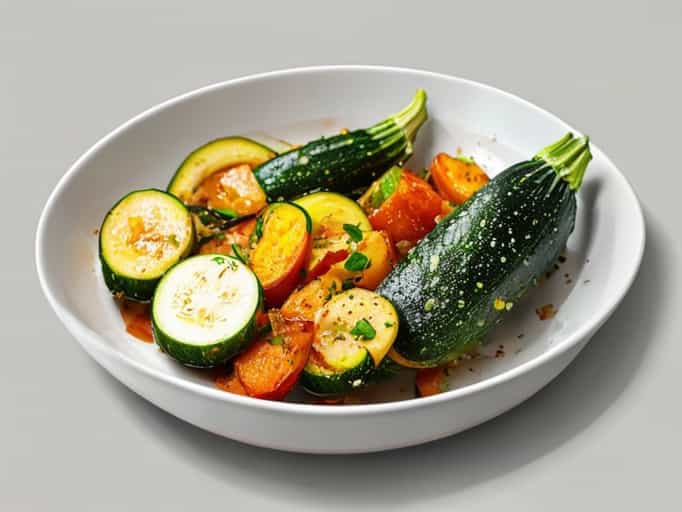
Zucchini and squash are versatile vegetables that can be transformed into a delicious and healthy dish when sautéed. This simple cooking method preserves their natural flavors while enhancing their texture and aroma. Sautéing zucchini and squash allows for a quick preparation that is both nutritious and satisfying, making it an ideal choice for busy weeknight dinners or elegant side dishes. With the right seasonings and cooking techniques, these vegetables can become a standout addition to any meal, offering vibrant colors, a delicate taste, and numerous health benefits. Learning how to sauté zucchini and squash properly ensures a flavorful and enjoyable culinary experience.
Understanding Zucchini and Squash
Zucchini and squash belong to the same gourd family but have subtle differences in taste, texture, and culinary applications. Zucchini, typically dark green, is tender and has a slightly sweet flavor, making it ideal for sautéing. Summer squash, which comes in yellow or light green varieties, has a mild flavor and soft texture that complements many dishes. Both vegetables are low in calories, high in fiber, and rich in vitamins A and C, making them nutritious choices for a balanced diet.
Choosing the Best Zucchini and Squash
Selecting fresh and firm zucchini and squash is essential for the best sautéed results. Look for vegetables that are firm to the touch, have smooth skin, and are free of blemishes or soft spots. Smaller zucchini and squash are often more tender and flavorful, while larger ones may have a tougher texture. Choosing fresh, in-season produce will enhance the flavor and ensure a better cooking experience.
Preparing Zucchini and Squash for Sautéing
Proper preparation is key to achieving the perfect sauté. Start by washing the vegetables thoroughly under cold running water. Trim the ends and, if desired, peel them, though leaving the skin on adds color and nutrients. Cut the zucchini and squash into uniform slices or cubes to ensure even cooking. Uniform cuts help prevent some pieces from becoming overcooked while others remain underdone. Proper preparation sets the foundation for a flavorful and visually appealing dish.
Seasoning and Flavoring
Sautéed zucchini and squash can be enhanced with a variety of seasonings and flavorings. Common ingredients include olive oil or butter for sautéing, salt, pepper, garlic, and fresh herbs like basil, thyme, or parsley. A squeeze of lemon juice or a sprinkle of grated Parmesan cheese can add brightness and depth of flavor. Seasonings should complement the natural taste of the vegetables without overpowering their delicate flavor.
Cooking Techniques for Sautéed Zucchini and Squash
Sautéing is a quick cooking method that involves cooking vegetables in a small amount of oil or butter over medium-high heat. The goal is to achieve a tender texture with lightly caramelized edges. Proper heat control, timing, and stirring are essential for the best results.
Step-by-Step Sautéing
- Heat a large skillet over medium-high heat and add olive oil or butter.
- Add minced garlic or onions if desired, cooking for 1-2 minutes until fragrant.
- Add the zucchini and squash slices or cubes, spreading them evenly in the pan.
- Cook for 5-7 minutes, stirring occasionally to ensure even cooking.
- Season with salt, pepper, and herbs, adjusting to taste.
- Optional Finish with a squeeze of lemon juice or a sprinkle of Parmesan cheese for extra flavor.
Tips for Perfect Sautéed Vegetables
To achieve the ideal sautéed zucchini and squash, follow these tips
- Do not overcrowd the pan; cooking in batches allows for proper browning.
- Use medium-high heat to caramelize the edges while keeping the centers tender.
- Avoid overcooking, as zucchini and squash can become mushy if left in the pan too long.
- Stir occasionally to prevent sticking and ensure even cooking.
Health Benefits of Sautéed Zucchini and Squash
Sautéed zucchini and squash are not only delicious but also provide numerous health benefits. They are low in calories and high in dietary fiber, supporting digestive health. Both vegetables are rich in vitamins and antioxidants, which can help strengthen the immune system and reduce inflammation. Additionally, sautéing with healthy oils like olive oil adds heart-healthy fats without compromising the nutritional value. Incorporating sautéed zucchini and squash into meals is a simple way to enhance both flavor and nutrition.
Nutritional Highlights
- Low in calories, making them suitable for weight management.
- High in dietary fiber for digestive support.
- Rich in vitamins A and C, promoting immune health and skin vitality.
- Contains antioxidants that help combat oxidative stress.
- Provides essential minerals like potassium and manganese.
Serving Suggestions
Sautéed zucchini and squash are versatile and can be served in many ways. They can be a side dish for grilled meats, poultry, or fish, adding color and flavor to the plate. They can also be tossed with pasta, rice, or quinoa for a wholesome main course. For a Mediterranean-inspired dish, combine them with tomatoes, olives, and feta cheese. Their mild flavor makes them adaptable to a wide range of cuisines and dishes.
Pairing Ideas
- Grilled chicken or fish for a light and balanced meal.
- Pasta with olive oil, garlic, and Parmesan cheese.
- Quinoa or rice bowls with roasted vegetables and fresh herbs.
- Egg-based dishes like omelets or frittatas for a nutritious breakfast or brunch.
- Mixed into salads for added texture and flavor.
Sautéed zucchini and squash are a quick, flavorful, and nutritious way to enjoy these versatile vegetables. By selecting fresh produce, preparing it properly, and using the right cooking techniques, anyone can create a dish that is both visually appealing and delicious. The combination of tender texture, subtle sweetness, and complementary seasonings makes sautéed zucchini and squash a favorite among home cooks and professional chefs alike. Whether served as a side dish, incorporated into main courses, or paired with grains and proteins, this simple cooking method enhances the natural qualities of the vegetables while promoting health and satisfaction at the dining table.