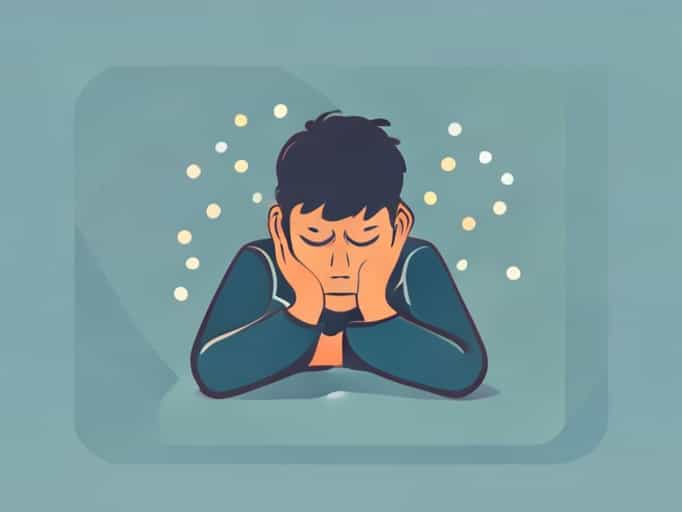
Zoning out when stressed is a common experience that many people encounter in their daily lives, yet it is often misunderstood. This phenomenon, sometimes referred to as mind blanking or dissociation, occurs when the brain temporarily disconnects from the immediate environment, often as a response to overwhelming stress or anxiety. While zoning out can seem like a simple lapse in attention, it is frequently linked to the body’s natural stress response, serving as a coping mechanism to protect mental and emotional well-being. Understanding why it happens and how to manage it can help individuals improve focus, reduce stress, and maintain overall mental health.
What It Means to Zone Out
Zoning out involves a temporary lapse in attention or awareness of the external environment. During these moments, people may appear physically present but mentally detached. They might stare blankly, fail to respond immediately to conversation, or lose track of tasks. This state can last from a few seconds to several minutes, depending on the individual and the intensity of stress or emotional overwhelm. Zoning out is different from daydreaming, as it is usually triggered by stress and may involve a sense of emotional numbing or detachment rather than imagination or creativity.
Signs and Symptoms of Zoning Out
Recognizing when zoning out is occurring can help individuals identify triggers and manage stress more effectively. Common signs include
- Staring into space or blankly at objects without focus.
- Difficulty responding to questions or engaging in conversation.
- Loss of awareness of surroundings or current tasks.
- Feeling detached from emotions or reality.
- Brief lapses in memory, such as forgetting recent events or actions.
Understanding these signs allows individuals to differentiate between zoning out due to stress and other potential causes, such as fatigue, medical conditions, or neurological issues.
Causes of Zoning Out When Stressed
Stress is one of the most common triggers for zoning out, as it activates the body’s fight-or-flight response. The brain may temporarily disengage from external stimuli to cope with overwhelming emotional or cognitive demands. Several factors contribute to this response
Emotional Overload
When emotions become intense or overwhelming, the brain may respond by shutting down attention to external events. This form of emotional dissociation allows individuals to create a temporary buffer against stress, preventing further emotional strain and helping them regain composure.
Cognitive Overload
Excessive mental demands, multitasking, or high-pressure situations can lead to cognitive overload. In these scenarios, zoning out serves as a mental break, giving the brain a momentary pause from processing complex information. This mechanism helps prevent burnout and allows the mind to reset before re-engaging with tasks.
Physiological Responses to Stress
Stress triggers physiological changes such as increased heart rate, shallow breathing, and heightened alertness. These responses can redirect attention inward, leading to a sensation of detachment or zoning out. In essence, the body and mind prioritize coping mechanisms over active engagement with the environment during stressful periods.
Psychological and Neurological Perspectives
From a psychological standpoint, zoning out can be viewed as a protective response to stress and anxiety. It is often associated with mild dissociation, a mental process that separates consciousness from immediate experience. Neurologically, studies suggest that zoning out involves reduced activity in brain regions responsible for attention and executive function, such as the prefrontal cortex, while default mode network activity increases, allowing the mind to process internal thoughts and emotions.
Connection with Anxiety and Depression
Individuals with chronic anxiety or depression may experience zoning out more frequently. In these cases, it can serve as a coping mechanism to manage intrusive thoughts, negative emotions, or overwhelming worries. While occasional zoning out is normal, persistent episodes may indicate the need for professional mental health support.
Strategies to Manage Zoning Out
Although zoning out can serve as a temporary coping mechanism, frequent or prolonged episodes may interfere with productivity, communication, and daily functioning. Implementing strategies to manage stress and maintain focus can reduce the occurrence of zoning out.
Mindfulness and Grounding Techniques
Practicing mindfulness can help individuals stay present and aware, reducing the tendency to zone out. Techniques include
- Deep breathing exercises to regulate stress response.
- Body scanning to increase awareness of physical sensations.
- Focusing on immediate sensory experiences, such as sounds or textures, to anchor attention in the present moment.
Stress Management Practices
Addressing the root causes of stress is key to minimizing zoning out. Effective practices include
- Regular physical exercise to release tension and boost endorphins.
- Time management and task prioritization to reduce cognitive overload.
- Engaging in hobbies or relaxation activities that promote mental well-being.
Professional Support
In cases where zoning out is frequent, prolonged, or accompanied by other mental health symptoms, seeking support from a psychologist or therapist can be beneficial. Cognitive-behavioral therapy, stress management programs, and other interventions can help individuals develop coping mechanisms and improve focus and emotional regulation.
When to Seek Help
While zoning out is often a normal response to stress, it may signal a deeper issue if it occurs regularly or affects daily functioning. Seek professional help if
- Zoning out happens multiple times a day and interferes with work or relationships.
- There are associated symptoms such as severe anxiety, depression, or memory lapses.
- The episodes last for extended periods or involve dissociation from reality.
Early intervention can prevent worsening mental health symptoms and improve overall quality of life.
Zoning out when stressed is a natural response of the brain and body to overwhelming cognitive or emotional demands. While it can serve as a temporary coping mechanism, understanding the causes, recognizing the signs, and implementing strategies to manage stress are essential for maintaining mental clarity and emotional health. Mindfulness, stress management techniques, and professional support can all help individuals reduce the frequency of zoning out and enhance their overall well-being. By taking proactive steps, people can remain present, focused, and resilient in the face of daily stressors.