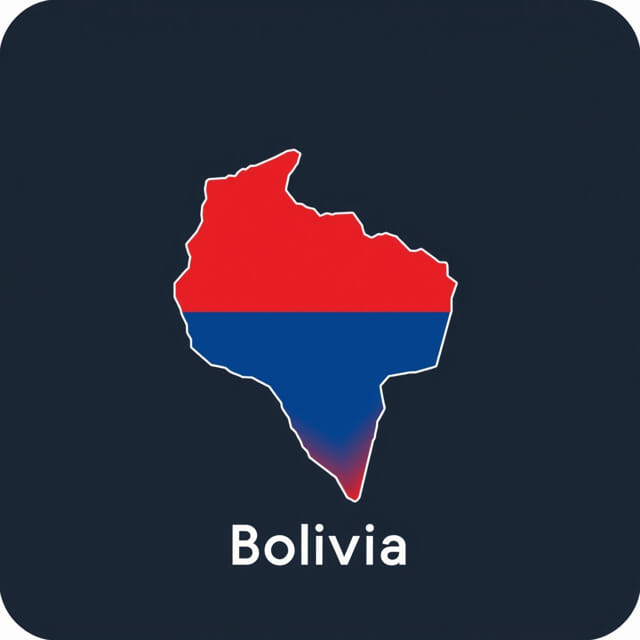
Bolivia is a South American country of remarkable geographic diversity, ranging from high Andean peaks to vast Amazonian lowlands. This varied topography has given rise to distinct geographical zones that influence the country’s climate, biodiversity, culture, and way of life. Understanding the zonas geográficas de Bolivia is essential to appreciating the nation’s complexity and richness. These zones are not just physical spaces; they shape Bolivia’s agriculture, transportation, and regional identities.
Andean Highlands (Altiplano)
Geographic Features
The Altiplano is one of the most prominent geographical zones in Bolivia, stretching across the western part of the country. It is a high plateau located between two major Andean mountain ranges the Cordillera Occidental and the Cordillera Oriental. This zone sits at an average elevation of about 3,600 meters above sea level, making it one of the highest inhabited regions in the world.
Climate and Environment
The climate in the Altiplano is cold and dry, with significant temperature fluctuations between day and night. The soil is generally poor in nutrients, but some areas support quinoa and potato cultivation. This region is also known for its vast salt flats, including the famous Salar de Uyuni.
Main Cities and Economic Activities
La Paz, Bolivia’s administrative capital, is located in the Altiplano, along with cities like El Alto and Oruro. Economic activities here include mining (especially of tin and silver), tourism, and agriculture suited to high-altitude conditions.
Inter-Andean Valleys
Location and Terrain
This zone lies between the two major Andean ranges and is characterized by deep valleys, river basins, and foothills. The elevation ranges from 1,500 to 3,000 meters, creating a temperate climate that is highly favorable for agriculture and human settlement.
Fertile Land and Agriculture
The Inter-Andean Valleys are known for their fertile soil and pleasant climate. Crops like maize, grapes, vegetables, and various fruits are grown here in abundance. The region also supports livestock and small-scale industry.
Cultural Importance
These valleys are culturally rich, with colonial architecture, indigenous heritage, and traditional festivals. Cities such as Sucre (Bolivia’s constitutional capital), Cochabamba, and Tarija are located within this zone and are notable for their vibrant culture and history.
Subtropical and Tropical Lowlands
The Amazonian and Chaco Regions
The eastern part of Bolivia is dominated by vast lowland areas, which include the Amazon Basin in the north and the Gran Chaco in the south. These areas have low elevations, ranging from sea level up to about 400 meters.
Climate and Ecosystems
The Amazon region has a hot and humid climate with abundant rainfall throughout the year. It is home to lush rainforests, diverse wildlife, and major rivers like the Mamoré and Beni. The Chaco region is semi-arid and has thorny vegetation, savannas, and occasional wetlands.
Natural Resources and Biodiversity
This zone contains some of Bolivia’s richest biodiversity. Timber, medicinal plants, and wildlife are abundant. Agriculture includes crops such as rice, bananas, and sugarcane, and the area is also known for cattle ranching and petroleum exploration.
The Yungas Region
Transition Zone
The Yungas is a narrow strip of land located on the eastern slopes of the Andes. It serves as a transitional zone between the cold, high-altitude Altiplano and the tropical lowlands. Its steep terrain and dense vegetation make it both beautiful and challenging for development.
Unique Climate
This region experiences a humid subtropical climate with heavy rainfall. Its unique positioning allows for cloud forests and rich biodiversity. The Yungas is an important agricultural area, especially for coca, coffee, and citrus fruits.
Significance and Challenges
Despite its beauty and economic importance, the Yungas region faces issues such as deforestation, landslides, and limited infrastructure. Its steep roads, including the infamous Death Road,” connect the highlands with the lowlands and are vital for trade and travel.
The Chiquitania and Pantanal
Geographical Overview
Located in the eastern part of Bolivia near the Brazilian border, the Chiquitania is a region of tropical dry forests and savannas. The Pantanal, further south, is one of the world’s largest tropical wetlands and extends into Bolivia’s department of Santa Cruz.
Climate and Vegetation
The Chiquitania experiences a tropical climate with distinct wet and dry seasons. It is rich in biodiversity and includes a mix of forest and grassland ecosystems. The Pantanal, being a wetland, is subject to seasonal flooding and is a haven for birds, fish, and aquatic plants.
Human Settlements and Tourism
This region is known for its Jesuit missions, historical churches, and unique architecture. Small towns and indigenous communities live in harmony with nature, and eco-tourism is a growing industry.
Geographic Diversity and National Identity
Impact on Culture and Society
The wide range of geographical zones in Bolivia has led to significant cultural and ethnic diversity. Indigenous groups are closely tied to the land they inhabit, and regional identities are often shaped by geographic features. For example, the Quechua and Aymara cultures dominate the highlands, while Amazonian tribes thrive in the lowland jungles.
Challenges of Integration
While geographic diversity is a strength, it also presents challenges in terms of infrastructure, transportation, and economic development. Remote regions often lack basic services, and the government continues to invest in connecting these zones through roads, airports, and telecommunication networks.
Environmental Concerns and Conservation
Deforestation and Climate Change
Bolivia’s varied ecosystems are under pressure from deforestation, illegal mining, and climate change. Forests in the Amazon and Chiquitania are shrinking, while water sources in the highlands are being affected by glacier melt.
Protected Areas and National Parks
The government has established many protected areas to conserve biodiversity and natural resources. Notable examples include Madidi National Park in the Amazon and Eduardo Avaroa Reserve in the southwest. These areas are important for ecological balance, tourism, and scientific research.
The zonas geográficas de Bolivia are more than mere physical divisions they are the foundation of the nation’s cultural, ecological, and economic identity. From the towering peaks of the Andes to the dense forests of the Amazon, each zone offers a unique contribution to Bolivia’s landscape. Understanding these regions is essential for appreciating the complexity of the country and the resilience of its people. As Bolivia continues to develop, respecting and preserving its geographic diversity will be key to a sustainable and inclusive future.