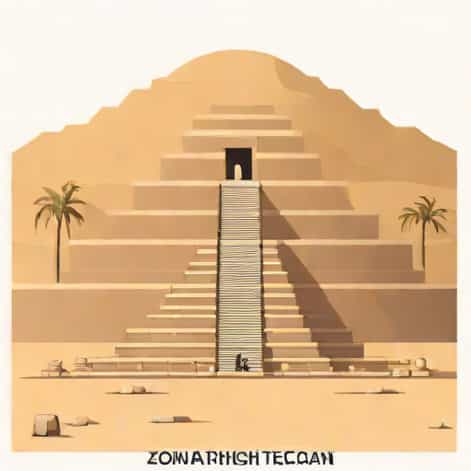
The Zona Arqueológica Teotihuacan, known in English as the Teotihuacan Archaeological Zone, is one of the most remarkable and historically significant sites in Mexico. Located about 40 kilometers northeast of Mexico City, this ancient city offers a unique glimpse into the life, culture, and architectural achievements of a civilization that thrived over a thousand years ago. Known for its grand pyramids, monumental avenues, and intricate murals, Teotihuacan continues to captivate historians, archaeologists, and travelers from around the world. Visiting this site allows people to experience the scale, artistry, and mystery of a society whose influence extended far beyond the Valley of Mexico, making it a must-see destination for anyone interested in ancient civilizations and Mesoamerican history.
History of Teotihuacan
Teotihuacan was established around 100 BCE and reached its peak between 100 CE and 650 CE. The city is notable for its highly organized urban planning, including wide avenues, residential complexes, and ceremonial centers. Despite its importance, the origins of the city’s founders remain a mystery, as there is no definitive record of the people who built it. The city was eventually abandoned around the 7th or 8th century, but its ruins remained a source of fascination for later civilizations, including the Aztecs, who revered it as a place of the gods.
Significance of Teotihuacan
Teotihuacan was not just a political and economic center; it was also a cultural and religious hub. The city’s architecture reflects sophisticated engineering and astronomical knowledge. The layout is carefully aligned with celestial events, suggesting that the inhabitants had advanced understanding of astronomy and cosmology. Teotihuacan influenced many other Mesoamerican cultures, and its artistic legacy, including murals and sculptures, provides valuable insight into the beliefs and daily life of its people.
Main Attractions in the Teotihuacan Archaeological Zone
Visitors to the Teotihuacan Archaeological Zone can explore numerous structures and areas that showcase the grandeur of this ancient city. The following are some of the most significant attractions
Pyramid of the Sun
The Pyramid of the Sun is the largest structure in Teotihuacan and one of the largest pyramids in the world. Standing over 65 meters tall, it is aligned with the setting sun on certain days, highlighting the city’s astronomical orientation. Visitors can climb its steps to gain a panoramic view of the city, including the Avenue of the Dead and surrounding landscapes. The pyramid was likely used for ceremonial purposes and is central to understanding the spiritual life of Teotihuacan’s inhabitants.
Pyramid of the Moon
The Pyramid of the Moon is slightly smaller than the Pyramid of the Sun but equally significant. Located at the northern end of the Avenue of the Dead, it is surrounded by plazas and platforms that were used for ritual activities. The pyramid offers insight into the city’s ceremonial layout and provides a visual perspective of the entire avenue, giving visitors a sense of the city’s grand scale.
Avenue of the Dead
The Avenue of the Dead is the main thoroughfare of Teotihuacan, stretching over two kilometers. It connects many of the city’s major structures, including the pyramids and numerous residential and administrative complexes. The avenue’s name was given by the Aztecs, who believed it was used for funerary purposes. Today, walking along this avenue allows visitors to imagine the vibrant urban life that once existed in the city.
Temple of the Feathered Serpent
Also known as the Temple of Quetzalcoatl, this structure is famous for its detailed carvings and sculptures, particularly representations of the feathered serpent deity. The temple is a key example of Teotihuacan’s artistic and religious achievements. It also contains burial chambers that provide valuable archaeological information about the city’s rulers and elite class.
Residential Complexes and Murals
Teotihuacan was not solely a ceremonial city; it also contained numerous residential compounds that housed thousands of people. These complexes often included courtyards, workshops, and living spaces, reflecting an organized urban society. Murals found in residential areas depict various aspects of life, including religious rituals, daily activities, and symbolic imagery. These artworks help historians understand the cultural and spiritual values of the inhabitants, as well as their social hierarchy.
Importance of Murals
- Provide insight into the religious beliefs and ceremonies of Teotihuacan.
- Depict daily life, clothing, and artistic styles of the period.
- Help identify social classes and roles within the city.
- Serve as a record of symbolic and mythological imagery important to the culture.
Visiting the Teotihuacan Archaeological Zone
Visiting Teotihuacan offers a unique opportunity to explore one of the most significant pre-Columbian cities in the Americas. The site is open to the public and provides walking paths, informative signage, and guided tours. Early mornings or late afternoons are ideal for avoiding crowds and enjoying the site in a more peaceful setting. Comfortable shoes and sun protection are recommended, as exploring the pyramids and avenues can require considerable walking and climbing.
Tips for Visitors
- Wear comfortable clothing and sturdy shoes for climbing and walking.
- Bring water, sunscreen, and a hat, especially during warmer months.
- Consider hiring a local guide to gain deeper historical and cultural insights.
- Visit early in the morning to avoid peak crowds and enjoy cooler temperatures.
- Allow several hours to fully explore the pyramids, avenues, and residential areas.
Conservation and Preservation Efforts
Teotihuacan has been a UNESCO World Heritage Site since 1987, highlighting its global significance and need for preservation. Ongoing conservation projects aim to protect the structures, murals, and surrounding environment from damage caused by natural erosion, tourism, and urban expansion. Visitors are encouraged to respect the site by following established pathways and refraining from climbing areas not designated for public access. Preservation efforts ensure that future generations can continue to appreciate the architectural and cultural achievements of this ancient city.
Community and Cultural Impact
Beyond tourism, Teotihuacan plays a vital role in the cultural identity of Mexico. Local communities benefit from economic opportunities related to tourism, including guided tours, crafts, and hospitality services. Educational programs and archaeological research continue to engage students and scholars, fostering a deeper appreciation for Mexico’s rich pre-Columbian history. The site also serves as a venue for cultural events and ceremonies, maintaining a living connection to the past.
The Teotihuacan Archaeological Zone is an extraordinary testament to the achievements of an ancient civilization that continues to inspire and educate people worldwide. From the towering pyramids to the intricate murals and sprawling avenues, Teotihuacan offers a comprehensive view of the city’s social, religious, and architectural sophistication. Exploring this site allows visitors to connect with the history of Mesoamerica, understand the complexity of urban planning in ancient times, and appreciate the artistic and cultural legacy of its people. With ongoing preservation efforts and accessible visitor resources, the Teotihuacan Archaeological Zone remains a vital and captivating destination for history enthusiasts, scholars, and travelers alike.
Ultimately, visiting Teotihuacan is more than a touristic experience; it is an immersion into a world that shaped the course of Mesoamerican history. The city’s monuments, artifacts, and urban layout reflect centuries of human ingenuity, social organization, and spiritual devotion. By preserving and exploring this site, we ensure that the knowledge, artistry, and legacy of Teotihuacan continue to inform and inspire future generations, making it a cornerstone of both Mexican heritage and global historical understanding.