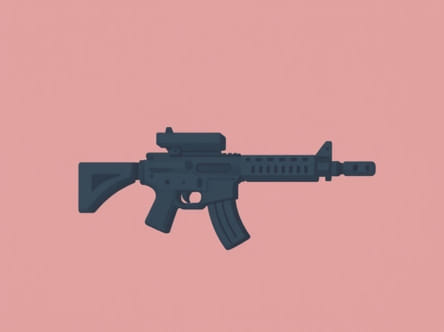
The phrase your weapon was made by the lowest bidder has often been repeated within military circles, reflecting both humor and reality in the world of defense contracting. It captures the paradox of equipping one of the most advanced armed forces in the world while still operating under strict budgetary rules and competitive procurement practices. Soldiers and veterans sometimes use the saying to highlight frustrations with equipment reliability, while policymakers view it as a reminder of the constant balance between cost efficiency and mission readiness. Understanding the history, context, and implications of this phrase provides insight into how the military manages resources and ensures its weapons are both affordable and effective.
Origins of the Saying
Although it is commonly attributed to generals and service members, the roots of the expression come from the U.S. defense procurement process. Since the mid-20th century, military contracts have often been awarded through competitive bidding. The goal was simple get the best price possible for taxpayers while ensuring equipment met certain specifications. Over time, however, service members noticed that the cheapest option did not always guarantee the highest quality, giving rise to the humorous yet pointed remark your weapon was made by the lowest bidder.
The phrase has become a form of cultural shorthand in military communities, used both jokingly and critically. It highlights the tension between saving money and ensuring that soldiers in the field receive the best possible tools for their missions.
The Military Procurement Process
To understand why this phrase resonates, it’s important to look at how military procurement works. When the armed forces need new weapons or equipment, the Department of Defense issues a request for proposals. Contractors submit bids outlining how they would deliver the required product. These bids include design, production costs, timelines, and technical details.
Contracts are often awarded based on cost competitiveness, meaning the lowest responsible bidder may win the contract if they meet the basic specifications. While safeguards exist to ensure quality standards, the process is not immune to flaws. Some contractors cut costs in ways that may impact long-term durability or require additional maintenance, which soldiers eventually experience firsthand.
Examples in Practice
Throughout history, several cases have reinforced the saying’s popularity. Soldiers have reported weapons that jam in harsh environments, vehicles with maintenance issues, or gear that wears out more quickly than expected. While not every piece of military equipment suffers from these shortcomings, the perception is strong enough to make the phrase endure.
- Small ArmsRifles and handguns have at times been criticized for their sensitivity to dust, sand, or poor weather conditions.
- VehiclesTanks, trucks, and armored vehicles occasionally face breakdowns due to parts sourced from cheaper suppliers.
- Protective GearHelmets, vests, and boots sometimes fall short of soldier expectations, leading to frustration.
These examples underline why service members often feel the reality of carrying equipment designed under cost constraints. While most systems do function as intended, the failures can leave a lasting impression.
The Balance Between Cost and Capability
The military operates within budgets approved by Congress, meaning every dollar spent must be justified. Procurement officials must weigh cost efficiency against effectiveness, which is no easy task. If contracts always went to the most advanced but expensive design, the military would quickly exhaust its budget. Conversely, choosing the cheapest option can sometimes result in equipment that barely meets requirements.
This balance is at the core of why the phrase resonates. Soldiers rely on their weapons in life-or-death situations, so even small flaws become magnified. What may look like a cost-saving measure on paper can translate into added risks on the battlefield.
Why the Lowest Bidder Wins
There are reasons why defense contracts frequently go to the lowest bidder. One is the principle of fairness open competition is meant to prevent favoritism and corruption. Another is accountability to taxpayers, ensuring that defense spending does not spiral out of control. While oversight exists, the process often prioritizes affordability, which explains why the lowest bidder remains a key factor in military acquisitions.
Still, the Department of Defense applies the concept of the lowest responsible bidder, meaning a contractor must prove they can deliver on performance standards. This safeguard is designed to prevent unqualified companies from producing critical equipment, though challenges remain.
Impact on Soldier Morale
When soldiers repeat the phrase, it often reflects their lived experiences. A weapon that jams during training or a vehicle that requires constant repairs can quickly erode confidence. While troops remain professional and adaptable, they also recognize the limitations of their gear. Humor becomes a coping mechanism, with the saying your weapon was made by the lowest bidder acting as a shared expression of frustration and resilience.
Morale plays a major role in military performance, and reliable equipment directly influences confidence in operations. While the phrase may exaggerate at times, it points to a genuine concern among those who depend on their gear daily.
Modern Reforms and Improvements
In response to criticism, the Department of Defense has introduced reforms aimed at improving procurement outcomes. These include stricter testing requirements, lifecycle cost analysis, and long-term performance evaluations. Modern contracts often focus on best value rather than lowest cost alone, meaning quality and durability weigh more heavily in decision-making than before.
In FY24 and beyond, the military continues to refine its acquisition strategies, learning from past mistakes and adapting to new technologies. While cost will always matter, the goal is to ensure that soldiers receive equipment they can trust, minimizing the risks associated with the lowest-bidder stereotype.
Cultural Legacy of the Phrase
Beyond procurement debates, the phrase has become part of military culture and even popular culture. It is quoted in books, movies, and speeches, often as a lighthearted jab at bureaucracy. Despite its humorous tone, it carries an underlying truth that resonates with anyone who has relied on government-issued equipment.
Its persistence shows how powerful simple sayings can be in capturing complex realities. In many ways, your weapon was made by the lowest bidder symbolizes the eternal struggle between budget, politics, and performance in the defense world.
The phrase your weapon was made by the lowest bidder reflects both skepticism and humor in military life. While it points to real challenges in the procurement system, it also highlights the resilience of soldiers who adapt and overcome limitations. In truth, the defense acquisition process seeks to balance cost, fairness, and effectiveness, though compromises are inevitable. For soldiers on the ground, the saying remains a reminder that their equipment, like much in government, comes from a system designed around efficiency as much as excellence. As reforms continue, the hope is that future generations will have fewer reasons to repeat the phrase, even if it remains a part of military folklore for years to come.