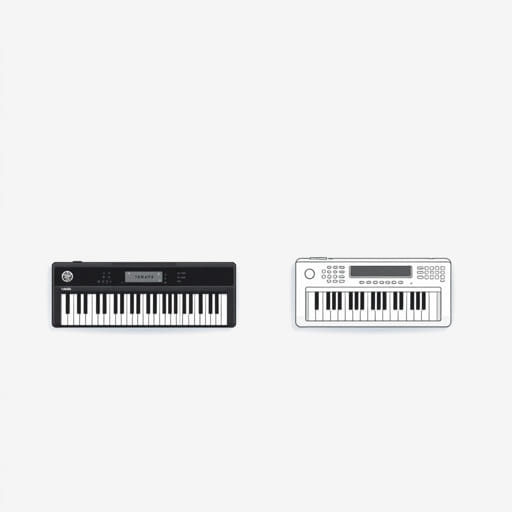
When it comes to choosing a reliable keyboard for learning, composing, or performing, Yamaha and Casio are two of the most recognized and trusted names in the music industry. Both brands offer a variety of models that cater to beginners, hobbyists, and professional musicians. While their keyboards may look similar at a glance, there are subtle and significant differences in sound quality, features, durability, and user experience that distinguish one from the other. Whether you’re a first-time buyer or upgrading to a more advanced model, understanding the distinctions between Yamaha and Casio keyboards can help guide your decision.
Brand Background and Philosophy
Yamaha
Founded in Japan in 1887, Yamaha has long established itself as a leader in musical instruments, including pianos, synthesizers, and digital keyboards. The brand emphasizes acoustic realism, expressive performance features, and professional build quality. Yamaha keyboards are known for their realistic piano tones, graded hammer action, and seamless integration with digital audio workstations (DAWs).
Casio
Casio, also a Japanese brand, entered the musical instrument scene in the 1980s with a strong focus on affordability and innovation. Casio keyboards are generally packed with a wide variety of sounds and rhythms, making them appealing for beginners, students, and casual players. Casio models tend to offer more features at a lower price point compared to Yamaha’s equivalent products.
Sound Quality and Tone Generation
Yamaha Sound Engine
Yamaha keyboards typically use Advanced Wave Memory (AWM) or Pure CF Sampling technology for tone generation. These engines are based on high-quality recordings of real acoustic instruments. Yamaha’s premium digital pianos, such as the Clavinova and DGX series, boast remarkably realistic piano sounds, which make them suitable for classical and jazz musicians who require authentic tone and dynamics.
Casio Sound Engine
Casio keyboards utilize the AiX (Acoustic Intelligent Expression) and Multi-Dimensional Morphing AiR sound engines, depending on the model. These technologies offer rich, layered tones that can emulate a range of instruments, including strings, brass, and electronic synths. Casio tones tend to be brighter and more versatile for pop and modern styles but may lack the depth of Yamaha’s piano samples in professional settings.
Key Action and Feel
Yamaha’s Graded Hammer Action
Many Yamaha keyboards, particularly in the P-series and Clavinova lines, use Graded Hammer Standard (GHS) or Graded Hammer 3 (GH3) actions, which replicate the weight of acoustic piano keys. These actions offer heavier resistance in the lower register and lighter in the upper, mimicking the feel of a grand piano and making them ideal for serious pianists.
Casio’s Scaled Hammer Action
Casio counters with its own Scaled Hammer Action II and Tri-Sensor Scaled Hammer Action, especially in models like the Privia PX series. These keyboards deliver a smooth playing experience, and some even include textured keys that feel like ivory and ebony. While Casio’s key feel is excellent, especially for the price, Yamaha’s hammer action is often preferred by advanced players for its authenticity.
Features and Functions
Yamaha Features
- Extensive piano-focused voice library
- Smart Pianist app compatibility
- Yamaha Education Suite (Y.E.S) for beginners
- USB-to-host and audio recording capabilities
- Metronome, split/layer functions, and accompaniment modes
Casio Features
- Wide variety of instrument voices and rhythms
- Chordana Play app for music learning
- Step-Up Lesson system for gradual learning
- Built-in MIDI recorder and USB audio interface
- More drum kits and electronic tones for creative play
Build Quality and Design
Yamaha Design Philosophy
Yamaha keyboards often feature a minimalist and elegant design. The build quality is solid and durable, with sturdy keys and intuitive controls. Yamaha tends to focus on a clean user interface that prioritizes core piano functions without overwhelming users with excessive buttons or displays.
Casio Design Approach
Casio keyboards are usually lighter and more compact, making them portable and ideal for students or musicians on the go. The interface is often more playful, with more accessible buttons, built-in effects, and display screens. Casio emphasizes a fun and engaging design that suits creative experimentation.
Price and Value for Money
Yamaha Pricing
Yamaha keyboards generally carry a higher price tag due to their superior sound sampling and key action. For serious learners or professionals who want to replicate an acoustic piano experience, Yamaha is a worthwhile investment. Even Yamaha’s entry-level models like the P-45 offer great value for their quality.
Casio Affordability
Casio provides exceptional value, especially for beginners. For the same price, Casio keyboards often include more features such as more instrument tones, rhythm patterns, and learning modes. The CT-X and Privia lines are popular among those looking for an all-in-one music creation platform.
Learning and Educational Support
Yamaha Education Tools
Yamaha’s Y.E.S system offers built-in lessons for beginners, while the Smart Pianist app enhances learning with interactive score display and lesson support. Yamaha also integrates with external apps like Flowkey and Synthesia for expanded learning opportunities.
Casio Learning Support
Casio shines in this area with its Step-Up Lesson system and Chordana Play app, which allows users to learn songs interactively through a smartphone or tablet. This makes Casio keyboards particularly friendly for children and self-taught learners.
Which One Should You Choose?
Choose Yamaha If:
- You are a pianist looking for a realistic playing experience
- You prioritize acoustic piano sound and touch
- You want a professional-grade instrument for recording or performance
Choose Casio If:
- You are a beginner looking for an affordable keyboard
- You enjoy experimenting with a variety of tones and rhythms
- You want lightweight, portable gear for casual use or practice
Both Yamaha and Casio keyboards have their own strengths, and the best choice depends on your personal needs, goals, and budget. Yamaha offers premium sound quality and authentic key action that appeals to traditional pianists and professionals. Casio, on the other hand, provides more features at a lower cost, making it a smart pick for beginners and tech-savvy players. Whether you’re pursuing piano seriously or just starting your musical journey, both brands offer a path toward musical enjoyment and skill development. The Yamaha vs Casio keyboard debate continues, but either way, you can’t go wrong with a quality instrument from these trusted names.