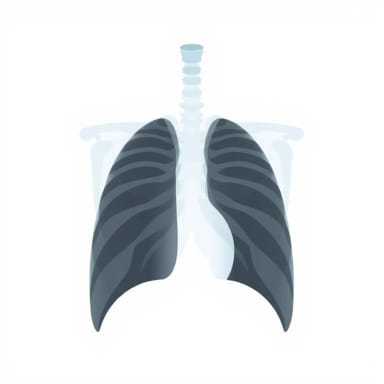
When a chest X-ray reveals bronchial thickening, it often raises questions and concerns about lung health and the underlying causes of this radiographic finding. Bronchial thickening refers to the visible widening or increased density of the bronchial walls on imaging, which can indicate inflammation, chronic irritation, or other pathological changes in the airways. Understanding what this finding means, its possible causes, and the implications for health is essential for patients and caregivers alike.
What is Bronchial Thickening?
Bronchial thickening is a radiological sign seen on chest X-rays or CT scans where the walls of the bronchi appear more pronounced than normal. The bronchi are the main airways that branch from the trachea into the lungs, and their structure typically allows smooth airflow. Thickened bronchial walls can suggest an abnormal response in the airways due to inflammation, infection, or chronic conditions.
How It Appears on X-ray
On a chest X-ray, bronchial thickening may appear as visible lines or rings within the lung fields, sometimes described as tram-track lines when the thickened walls run parallel to each other. In some cases, a doughnut appearance is observed in cross-sectional imaging. Radiologists evaluate the extent and distribution of bronchial thickening to provide clues about the underlying cause.
Common Causes of Bronchial Thickening
Bronchial thickening can result from various conditions, ranging from temporary inflammation to chronic lung diseases. Identifying the root cause is crucial for effective management.
1. Chronic Bronchitis
Chronic bronchitis, often related to smoking or long-term exposure to pollutants, is a leading cause of bronchial thickening. The inflammation and irritation of the bronchial walls over time result in thickened airways, which can be seen on X-ray. Patients may experience chronic cough, mucus production, and shortness of breath.
2. Asthma
In individuals with asthma, repeated episodes of airway constriction and inflammation can lead to thickened bronchial walls. This remodeling process may become apparent on imaging, particularly in patients with poorly controlled or long-standing asthma. Symptoms include wheezing, coughing, and episodes of difficulty breathing.
3. Infections
Acute or recurrent respiratory infections, such as bacterial or viral bronchitis, can cause temporary bronchial thickening. The inflammation from infections increases fluid and cellular infiltration in the airway walls, which can be detected on X-rays. While the thickening may resolve after recovery, frequent infections can contribute to more chronic changes.
4. Bronchiectasis
Bronchiectasis is a condition characterized by permanent dilation and thickening of the bronchi due to repeated infections or underlying conditions like cystic fibrosis. Patients often present with persistent cough, sputum production, and recurrent respiratory infections. Imaging shows both bronchial thickening and dilated airways, providing a clear indication of the disease.
5. Allergic or Environmental Factors
Exposure to allergens, pollution, or occupational irritants can contribute to airway inflammation and thickening. Over time, chronic exposure may result in radiographic changes similar to those seen in chronic bronchitis or asthma. Reducing exposure and managing inflammation can help prevent progression.
Symptoms Associated with Bronchial Thickening
Not all individuals with bronchial thickening on X-ray experience noticeable symptoms. However, when symptoms are present, they often reflect underlying airway irritation or disease.
- Persistent cough, often productive of mucus
- Shortness of breath, especially during exertion
- Wheezing or noisy breathing
- Frequent respiratory infections
- Fatigue related to reduced lung function
When to Seek Medical Attention
Individuals who notice persistent respiratory symptoms or have an X-ray showing bronchial thickening should consult a healthcare professional. Early evaluation helps determine the cause, assess lung function, and prevent complications from chronic airway disease.
Diagnostic Approaches
While X-ray can indicate bronchial thickening, further diagnostic tools are often used to understand the underlying cause more precisely.
1. Computed Tomography (CT) Scan
A high-resolution CT scan provides more detailed images of the airways, allowing better visualization of bronchial walls and lung tissue. It helps identify conditions such as bronchiectasis, chronic infections, or structural abnormalities that may not be fully visible on X-ray.
2. Pulmonary Function Tests (PFTs)
PFTs measure how well the lungs are functioning. Tests such as spirometry can reveal airway obstruction, reduced airflow, or other functional abnormalities that may correlate with bronchial thickening seen on imaging.
3. Laboratory Tests
Blood tests, sputum cultures, and allergy testing can provide additional information. Identifying infections, inflammation markers, or allergic triggers helps guide treatment and management strategies.
Treatment Options
Treatment of bronchial thickening depends on the underlying cause. Managing the root problem often leads to improvement in symptoms and, in some cases, radiographic findings.
Medications
- BronchodilatorsHelp relax airway muscles and improve airflow in conditions like asthma or chronic bronchitis.
- Anti-inflammatory drugsInhaled corticosteroids reduce airway inflammation and swelling.
- AntibioticsUsed if a bacterial infection is identified as the cause of thickening.
- ExpectorantsAid in clearing mucus from the airways.
Lifestyle Modifications
Reducing exposure to tobacco smoke, air pollution, and occupational irritants is critical. Regular exercise, proper hydration, and pulmonary rehabilitation may also improve lung function and reduce symptoms.
Managing Chronic Conditions
For chronic diseases like asthma, chronic bronchitis, or bronchiectasis, long-term management plans including medication adherence, monitoring symptoms, and regular check-ups are essential. Effective control of these conditions can prevent further airway remodeling and worsening of bronchial thickening.
Prognosis
The outlook for individuals with bronchial thickening varies depending on the cause and the timeliness of treatment. Acute causes, such as infections, may resolve completely with proper care, while chronic conditions require ongoing management. Early detection and intervention can prevent complications, preserve lung function, and improve quality of life.
An X-ray showing bronchial thickening signals the need for careful evaluation to identify the underlying cause and determine the best course of action. While this finding can be associated with a variety of conditions, including chronic bronchitis, asthma, infections, and bronchiectasis, timely diagnosis and management can significantly improve outcomes. Through a combination of imaging, pulmonary function testing, and targeted treatments, individuals can manage symptoms effectively, reduce complications, and maintain optimal lung health. Awareness of environmental factors, adherence to treatment, and proactive healthcare consultations are key to addressing bronchial thickening and protecting respiratory wellness.