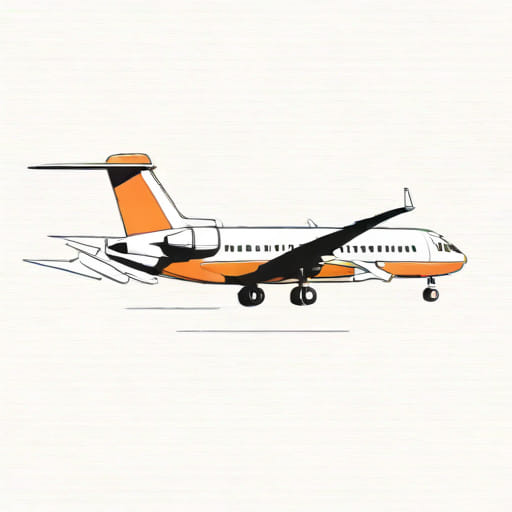
X-Plane 12 is the latest version of one of the most advanced flight simulators available, and among its many aircraft offerings, the Fokker 100 stands out as a highly detailed and realistic addition. This twin-engine jet airliner, originally produced by the Dutch manufacturer Fokker in the late 1980s and 1990s, has been faithfully recreated in X-Plane 12, providing aviation enthusiasts and virtual pilots with an authentic experience. The simulation captures the nuances of the Fokker 100’s flight dynamics, cockpit systems, and operational procedures, making it not only entertaining but also educational for those interested in commercial aviation. By exploring the aircraft’s features, flight characteristics, and operational details, users gain a deeper appreciation of both the Fokker 100 and the capabilities of X-Plane 12 as a flight simulation platform.
Overview of the Fokker 100
The Fokker 100 is a medium-sized twin-turbofan jet designed for short to medium-haul flights. It typically accommodates between 85 and 122 passengers, depending on configuration, and is powered by two Rolls-Royce Tay engines. Known for its reliability, ease of handling, and economic performance, the Fokker 100 became popular with regional airlines around the world. In X-Plane 12, the simulator developers have meticulously replicated these features, allowing pilots to experience realistic takeoffs, landings, and cruise performance that closely mirror real-world operations. The aircraft’s design emphasizes efficiency, comfort, and operational versatility, making it an ideal subject for flight simulation enthusiasts.
Flight Dynamics in X-Plane 12
X-Plane 12 uses an advanced flight modeling engine that takes into account real aerodynamic properties, control responses, and environmental factors. For the Fokker 100, this means users can experience authentic behavior in various flight conditions, including crosswinds, turbulence, and different weight configurations. The simulator captures the aircraft’s handling characteristics, such as its stable cruise, responsive control surfaces, and the gradual onset of stalls, offering a realistic training and entertainment experience. Pilots can practice approaches, landings, and emergency procedures with a high degree of fidelity, enhancing both skill and enjoyment.
Cockpit and Systems
The cockpit of the Fokker 100 in X-Plane 12 has been designed with exceptional attention to detail, featuring fully interactive instruments, avionics, and autopilot systems. Pilots can manipulate switches, buttons, and levers just as they would in the real aircraft, providing a hands-on learning experience. The aircraft includes a realistic Flight Management System (FMS), navigation radios, and engine monitoring displays, allowing users to plan flights, manage fuel, and monitor engine performance. The cockpit layout emphasizes ergonomics and accessibility, making it easy for virtual pilots to familiarize themselves with the systems and procedures required for efficient operation.
Key Systems and Features
- Autopilot with altitude, heading, and speed control capabilities.
- Full flight management system for route planning and navigation.
- Engine monitoring and management for realistic thrust control.
- Interactive cockpit switches and panels for realistic procedural training.
- Weather and environmental system integration to simulate real-world conditions.
Realistic Takeoff and Landing
One of the most exciting aspects of flying the Fokker 100 in X-Plane 12 is the realism of takeoff and landing procedures. The simulator accurately reproduces the required speeds, flap settings, and engine thrust needed for different runway lengths and environmental conditions. Pilots can experience the sensitivity of the controls during rotation, the feel of the landing flare, and the braking performance upon touchdown. This level of detail allows users to practice and refine their piloting skills in a safe virtual environment, enhancing confidence and understanding of aircraft handling.
Approach and Landing Techniques
- Precision approaches using Instrument Landing Systems (ILS).
- Manual landings with realistic crosswind corrections.
- Short-field and long-field landing simulations to reflect different airport conditions.
- Brake management and reverse thrust operations for accurate deceleration.
Navigation and Flight Planning
Navigation in the Fokker 100 is fully integrated with X-Plane 12’s advanced avionics and global scenery database. Pilots can create detailed flight plans, follow waypoints, and interact with air traffic control in a realistic virtual environment. The simulator supports VOR, NDB, GPS, and ILS navigation, allowing users to simulate real-world routes and procedures. Weather conditions, time of day, and airport traffic density can also be adjusted to provide diverse flying experiences. This level of planning and execution makes X-Plane 12 an excellent tool for both entertainment and educational purposes, helping users understand the complexities of real-world commercial aviation.
Flight Planning Features
- Customizable flight routes with multiple waypoints.
- Integration with real-world navigation aids and charts.
- Automated and manual flight plan entry via FMS.
- Weather simulation including wind, rain, and turbulence effects.
- Time acceleration and real-time flight monitoring for flexible training.
Training and Simulation Benefits
Flying the Fokker 100 in X-Plane 12 offers more than just entertainment; it provides a realistic training platform for aspiring pilots and aviation enthusiasts. Users can practice pre-flight checks, engine start procedures, taxiing, takeoff, in-flight navigation, and landing. The simulator allows for repeated practice without risk, helping users gain confidence and refine their skills. For flight schools or private individuals interested in understanding commercial jet operations, the Fokker 100 provides an accessible, immersive, and educational experience.
Learning Opportunities
- Understanding aircraft systems and operational procedures.
- Practicing emergency scenarios in a controlled environment.
- Developing navigation and communication skills with virtual ATC.
- Gaining familiarity with flight management systems and autopilot operations.
- Building confidence in handling medium-sized jet aircraft.
The Fokker 100 in X-Plane 12 is a remarkable example of how modern flight simulators can bring real-world aircraft into the virtual world with incredible accuracy. From its detailed cockpit and realistic flight dynamics to the integrated navigation and weather systems, the simulator offers a comprehensive and immersive experience. Users can enjoy the thrill of flying a medium-sized commercial jet while learning about aircraft systems, flight planning, and piloting techniques. Whether for casual virtual aviation enthusiasts or serious training purposes, the Fokker 100 in X-Plane 12 exemplifies the potential of flight simulation to educate, entertain, and inspire the next generation of pilots.