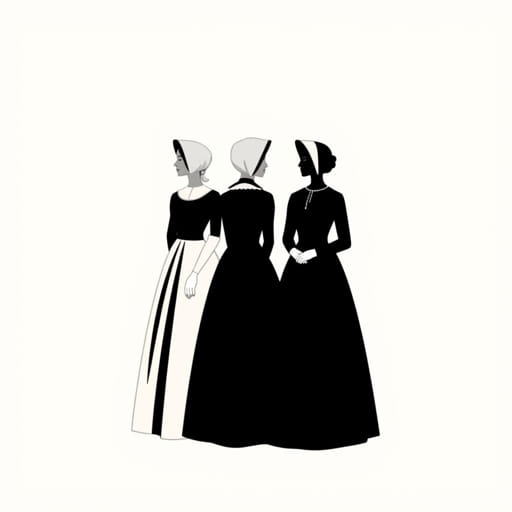
Brigham Young, the second president of The Church of Jesus Christ of Latter-day Saints (LDS Church), is a prominent historical figure not only for his leadership in leading the Mormon pioneers to Utah but also for his practice of polygamy, a principle once accepted within the church. The number of wives Brigham Young had, the nature of those marriages, and the lives of these women have been a subject of interest among historians, religious scholars, and the general public alike. His marital relationships reveal not just the workings of 19th-century Mormonism, but also larger themes of gender, faith, and power in early American frontier society.
Understanding Polygamy in the LDS Context
To comprehend the significance of Brigham Young’s wives, it’s important to understand the context of polygamy in the LDS Church during the mid-1800s. Polygamy, or plural marriage, was introduced by the church’s founder, Joseph Smith, and was considered a sacred practice by many early Mormons. The belief was that plural marriage could bring spiritual blessings and expand families in the faith. While controversial, it was openly practiced among high-ranking church officials.
The Number of Wives
There has been some debate about the exact number of Brigham Young’s wives, but most reliable sources agree that he was sealed to 55 women during his lifetime. However, not all of these relationships were marital in the traditional sense. Some were considered ‘eternity-only’ sealings, meaning they were meant for the afterlife and did not involve cohabitation or earthly marital responsibilities.
- Approximately 20 of these women were believed to have had conjugal relationships with Young.
- He fathered 57 children with 16 of his wives.
- Many of his wives were widows of Joseph Smith or other early church leaders.
Who Were Brigham Young’s Wives?
Young’s wives came from various backgrounds and had diverse life experiences. Some entered into marriage with religious conviction, others out of social or economic necessity. Below are some notable women among his plural wives.
Mary Ann Angell
Mary Ann Angell was Brigham Young’s second wife but is often considered his first in terms of family life, since his first wife, Miriam Works, had died earlier. Mary Ann was his only legal wife under U.S. law and the mother of six of his children. She remained a central figure in his household for many years.
Augusta Adams Cobb
One of the more famous wives, Augusta was a well-educated Bostonian who left her husband and children to follow the church. Her decision attracted public criticism. She was among the earliest women to enter a plural marriage with Brigham Young and was known for her strong personality.
Emily Partridge
Emily was previously married to Joseph Smith and later sealed to Brigham Young. Her memoirs provide detailed insights into the lives of women in plural marriages. She described both the spiritual rationale and the daily challenges of polygamy.
Eliza R. Snow
Eliza R. Snow was a poet, educator, and prominent church leader. Like Emily Partridge, she had been married to Joseph Smith. Though sealed to Young, they likely never had a marital relationship in the conventional sense. Eliza became the second General President of the Relief Society and played a vital role in shaping the spiritual lives of LDS women.
The Role of Wives in His Household
Life in Brigham Young’s large household was highly structured. His wives often lived in separate residences or in different parts of the Lion House, his large family home in Salt Lake City. Each woman had responsibilities ranging from raising children to managing household tasks and even participating in church or community functions.
Family Governance
Young organized his family much like he organized church affairs with discipline and order. He rotated his time among his wives and children, making an effort to provide for their spiritual and material needs. He also emphasized education and religious devotion within the household.
Support Network
Despite the challenges of plural marriage, many of Brigham Young’s wives developed strong support systems. They often helped raise each other’s children, worked together on domestic tasks, and attended religious meetings collectively. In some ways, this communal living offered a sense of solidarity and shared purpose.
Social and Political Implications
The practice of polygamy, as embodied by figures like Brigham Young, brought intense scrutiny from the U.S. government and American society at large. It was one of the key reasons for legal and military conflicts between the LDS Church and federal authorities.
Legal Ramifications
Throughout the late 1800s, the U.S. passed several laws aimed at curbing polygamy. Brigham Young himself was never prosecuted, but his practice of plural marriage helped set the stage for future legal battles. Ultimately, the LDS Church officially abandoned polygamy in 1890, decades after Young’s death.
Legacy and Public Perception
Young’s marriages were both criticized and romanticized over the years. To some, they symbolize patriarchal control and religious extremism. To others, they reflect deep personal convictions and the sacrifices made by early church members to follow their faith. His wives, individually and collectively, contributed to the survival and growth of the Mormon community during times of great hardship and migration.
The Lives of the Wives After His Death
When Brigham Young died in 1877, many of his wives remained active in church and community life. Some continued living in the family homes, while others remarried or returned to live with family members. Their lives after his death varied greatly, reflecting the diversity of circumstances under which they had entered their marriages.
Continued Influence
Some of the women, particularly Eliza R. Snow, continued to influence the church long after Young’s death. Snow’s leadership in the Relief Society helped shape the future of LDS women’s roles. Others documented their experiences, leaving behind personal histories that continue to offer insight into early Mormon life.
Brigham Young’s many wives were more than just names in a historical record they were individuals with faith, resilience, and purpose. Their stories shed light on a complex chapter of American religious history and the evolution of Mormonism. The legacy of these women continues to inform scholarly discussions about polygamy, gender roles, and spiritual conviction in the 19th century. By exploring the lives of Brigham Young’s wives, we gain a richer understanding of the cultural and religious dynamics that shaped the early LDS Church and its followers.