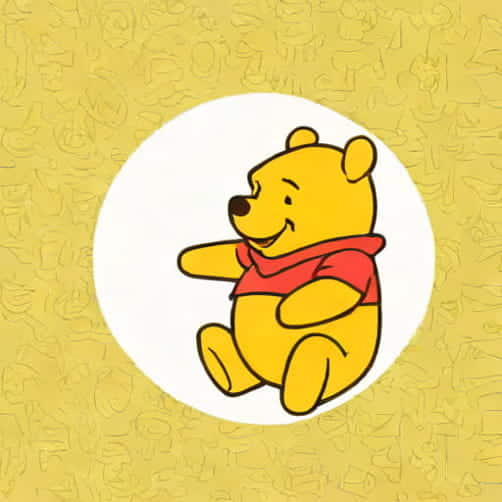
Winnie the Pooh, the beloved bear created by A.A. Milne, has captured the hearts of audiences for nearly a century, but one of the most memorable aspects of this character is his distinctive voice. From the earliest adaptations of the stories to modern Disney productions, Pooh’s voice has been a crucial part of his charm, giving personality and warmth to the honey-loving bear. The sound, tone, and delivery of Winnie the Pooh’s voice have evolved over time, reflecting both changes in animation technology and different interpretations by voice actors. This topic explores the history of Winnie the Pooh’s voice, the actors who have brought him to life, the techniques used to create his iconic sound, and the enduring appeal of his gentle, thoughtful manner of speaking.
The Origins of Winnie the Pooh’s Voice
Winnie the Pooh was first introduced in A.A. Milne’s books published in the 1920s. While the original stories were read aloud to children, it was not until Disney acquired the rights to the character that Pooh’s voice became a central aspect of his personality in media. Disney’s animated adaptations required a voice that could convey Pooh’s innocence, curiosity, and gentle humor. The process of finding the right voice involved careful consideration of pitch, cadence, and emotional warmth, ensuring that the character remained true to Milne’s original creation.
Early Voice Adaptations
The first significant voice portrayal of Winnie the Pooh came in the late 1960s with Disney’s adaptation,Winnie the Pooh and the Honey Tree(1966). The voice actor Sterling Holloway was chosen to provide Pooh’s distinctive voice. Holloway’s performance was characterized by a soft, slightly nasal tone, slow and deliberate speech, and a gentle cadence that emphasized the character’s childlike innocence. This voice became iconic and set the standard for all future portrayals of Pooh, helping to define the character’s personality and emotional resonance.
Sterling Holloway The Original Disney Pooh
Sterling Holloway was a veteran voice actor known for his work in various Disney films, including the Cheshire Cat inAlice in Wonderland. Holloway brought a unique combination of warmth and whimsy to Pooh’s voice, capturing both the bear’s simplicity and his gentle wisdom. His performance relied on subtle inflections and careful timing to make each line feel heartfelt and genuine. Holloway’s voice became so closely associated with Pooh that it remains the definitive version for many fans, even decades after his retirement.
Voice Characteristics
Holloway’s voice for Winnie the Pooh is recognizable for several key characteristics
- Soft, airy tone that conveys friendliness and innocence
- Gentle nasal quality that adds a playful, childlike feel
- Deliberate pacing and slight pauses to reflect thoughtfulness
- Subtle emphasis on certain words, particularly honey and other Pooh-related vocabulary
These characteristics combined to create a voice that felt both comforting and endearing, perfectly aligning with the bear’s personality in Milne’s stories.
The Transition to Jim Cummings
In the late 1980s, Disney began producing new Winnie the Pooh content, including television series and feature-length films. Sterling Holloway retired from voicing Pooh in 1977, and Disney needed a new actor who could maintain the character’s beloved qualities while accommodating modern production needs. Jim Cummings was chosen to take over the role in 1988 and has been the primary voice of Winnie the Pooh ever since.
Jim Cummings’ Approach
Jim Cummings faced the challenge of honoring Holloway’s iconic performance while bringing his own interpretation to the character. Cummings studied Holloway’s voice meticulously, replicating the gentle tone and whimsical cadence while adding flexibility for a broader range of emotions. His ability to seamlessly transition between cheerful, reflective, and occasionally anxious tones has made his portrayal versatile and enduring. Cummings’ voice is slightly fuller and richer than Holloway’s but retains the essential qualities that make Pooh instantly recognizable.
Notable Performances
Jim Cummings has voiced Winnie the Pooh in a wide range of media, including
- Feature films such asThe Tigger MovieandPooh’s Heffalump Movie
- Television series likeThe New Adventures of Winnie the Pooh
- Theme park attractions and educational programs
- Video games and interactive apps featuring the character
Through these performances, Cummings has ensured that Winnie the Pooh’s voice remains consistent and beloved across generations.
Techniques for Creating Winnie the Pooh’s Voice
Both Holloway and Cummings have used specific vocal techniques to bring Winnie the Pooh to life. These include
- Softening the vocal tone to create warmth and approachability
- Using deliberate pacing and slight pauses to emphasize Pooh’s thoughtful nature
- Incorporating subtle nasal inflections to maintain the playful, whimsical quality
- Adjusting pitch slightly higher for emotional or humorous moments without losing naturalness
These techniques ensure that the voice aligns with Pooh’s gentle, reflective personality, enhancing the storytelling experience and maintaining continuity across different media formats.
Impact of the Voice on the Character
Winnie the Pooh’s voice is more than just a sound; it is integral to the character’s identity. The voice conveys innocence, empathy, and humor, making Pooh relatable and endearing. It also helps to distinguish Pooh from other characters, such as Tigger, Piglet, and Eeyore, who each have distinct voices reflecting their personalities. The voice plays a crucial role in engaging audiences, evoking nostalgia for older fans while captivating new generations of viewers and listeners.
Legacy and Cultural Impact
The enduring appeal of Winnie the Pooh’s voice demonstrates the importance of voice acting in animated storytelling. Holloway and Cummings’ performances have contributed to the character becoming an international cultural icon. The voice has influenced merchandise, educational programs, theme parks, and even psychological studies exploring the comforting effect of familiar characters on children. Pooh’s voice embodies a sense of security, kindness, and gentle humor that transcends language and cultural barriers, making it one of the most recognizable and cherished voices in animation history.
Why Winnie the Pooh’s Voice Matters
The voice of Winnie the Pooh is central to the emotional connection audiences feel with the character. It enhances storytelling, reinforces the character’s traits, and provides a sense of continuity across decades of adaptations. For fans, the voice evokes memories of childhood and moments of comfort and joy. For new audiences, it introduces a timeless personality that remains relevant and engaging. The careful work of voice actors and the techniques used to craft Pooh’s voice ensure that this iconic bear continues to delight audiences worldwide.
Winnie the Pooh’s voice is a defining feature of one of the most beloved characters in literature and animation. From Sterling Holloway’s original performance to Jim Cummings’ long-standing portrayal, the voice has evolved while maintaining its essential warmth, playfulness, and gentle charm. The techniques used to create the voice, including tone, pacing, and inflection, contribute to the character’s enduring appeal and cultural significance. By bringing Pooh to life through sound, these voice actors have ensured that audiences of all ages continue to connect with the honey-loving bear in meaningful and lasting ways. The voice of Winnie the Pooh is not just an element of performance; it is the soul of the character, bridging generations and cultures with timeless appeal.