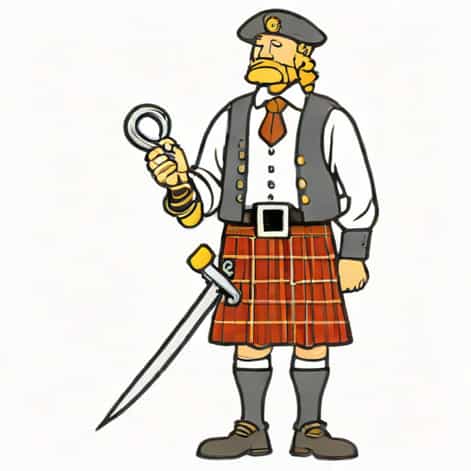
The tradition of Scotsmen wearing nothing under their kilts, commonly referred to as going commando or true Scotsman style, has captured the imagination of the public for centuries. This cultural practice is deeply rooted in Scottish history, practical considerations, and social norms. While it is often discussed humorously today, there are historical, practical, and symbolic reasons why some Scotsmen adopted this approach. Understanding the origins and reasons behind this tradition requires examining Scottish culture, the development of the kilt, and the social context surrounding Highland dress.
Historical Origins of the Kilt
The kilt is a traditional Scottish garment with origins dating back to the 16th century, although earlier forms of tartan cloth were worn in the Highlands. Originally, the kilt was a full-length garment called the great kilt, orféileadh mór, which could be draped over the shoulder and belted at the waist. Over time, the garment evolved into the modern knee-length kilt, which became a symbol of Scottish identity and pride.
The kilt was designed for functionality in the rugged terrain of the Scottish Highlands. Its loose, pleated structure allowed for freedom of movement, ventilation, and comfort in harsh weather conditions. This practicality contributed to the tradition of wearing the kilt without undergarments.
Practical Reasons for Going Without Underwear
One of the main reasons Scotsmen historically wore nothing under their kilts was practicality. The Highlands were known for wet and muddy conditions, and traditional undergarments could become uncomfortable, damp, and restrictive. The absence of underwear provided
- Increased airflow, which helped maintain hygiene and reduce chafing
- Greater freedom of movement while hunting, walking, or fighting
- Quick drying of clothing after exposure to rain or dew
Wearing nothing under the kilt also minimized layers, which was practical for soldiers and workers in rural areas who needed lightweight, flexible clothing. In this sense, the tradition was less about daring or rebellion and more about comfort and efficiency.
Military Traditions
The connection between kilts and the Scottish military also reinforced the tradition of going without underwear. Highland regiments, such as the Black Watch and other units of the British Army, wore kilts as part of their uniform in the 18th and 19th centuries. Soldiers often went without undergarments for the same reasons practicality, ease of movement, and comfort during long marches.
Military culture emphasized toughness, resilience, and adherence to tradition. Wearing nothing under the kilt became associated with bravery and masculinity, reinforcing the symbolic identity of the Highland soldier. The phrase true Scotsman is often linked to this idea, emphasizing a sense of pride and cultural authenticity.
Cultural Symbolism and Identity
Beyond practical considerations, wearing nothing under the kilt became a symbol of Scottish cultural identity. The kilt itself represents heritage, clan affiliation, and national pride. Choosing not to wear underwear can be seen as a continuation of these traditions, embodying the rugged, independent spirit historically associated with Highland life.
For many Scotsmen, the tradition also reflects humor and defiance, celebrating Scottish uniqueness and resilience. It has been reinforced in literature, folklore, and popular culture as a distinctive and recognizable trait.
Influence of Folklore and Media
Folklore and media have played a significant role in popularizing the idea that Scotsmen traditionally go without underwear. Tales of Highland warriors, stories about clan battles, and depictions in films and television have all contributed to the perception. These portrayals often emphasize the courage, freedom, and individuality associated with Highland dress, adding a romanticized aspect to the practice.
Modern Considerations
Today, the tradition continues in some contexts, especially during formal Highland dress events, ceilidhs, and Highland games. However, the choice to go without underwear is now largely personal and may vary depending on comfort, fashion, and setting. Modern kilts are often worn with specialized undergarments or shorts for formal occasions, especially when performing in public or for professional purposes.
Despite the evolution of practicality, the cultural image of the true Scotsman still celebrates the traditional approach. The continued discussion of this tradition highlights its enduring role in Scottish identity and popular imagination.
Health and Hygiene Considerations
While historically the lack of undergarments was practical, modern health and hygiene practices sometimes influence the decision. Cotton or moisture-wicking shorts can provide comfort without compromising the traditional look of the kilt. Nonetheless, some continue the practice for authenticity or personal preference, maintaining a link to history.
Common Misconceptions
There are several misconceptions about this tradition. Some believe it is purely a sexual or provocative practice, but historically it was largely about practicality, comfort, and military efficiency. Others assume all Scotsmen wore kilts without underwear, but this was primarily associated with Highland dress and specific cultural or ceremonial contexts.
It is also important to note that the tradition evolved over centuries and was not universally followed. Lower-class men, urban dwellers, and some soldiers may have worn undergarments depending on circumstances.
Symbol of Masculinity and Pride
The tradition has long been linked to ideas of masculinity, pride, and courage. Highland warriors, soldiers, and leaders were seen as embodying strength and self-reliance. Wearing the kilt without undergarments reinforced a rugged, fearless image, which became celebrated in Scottish lore and perpetuated through generations.
In contemporary culture, the notion often serves as a playful or humorous symbol of Scottish heritage, while still evoking historical identity and pride in national traditions.
The tradition of Scotsmen wearing nothing under kilts is rooted in history, practicality, and cultural symbolism. Initially, it arose from the need for comfort, mobility, and hygiene in rugged Highland conditions and military service. Over time, it became a symbol of Scottish identity, masculinity, and independence. While modern practices allow for flexibility with undergarments, the cultural image of the true Scotsman endures, reflecting centuries of tradition, folklore, and national pride. Understanding this practice provides insight into the unique ways clothing, culture, and history intersect in Scottish society.