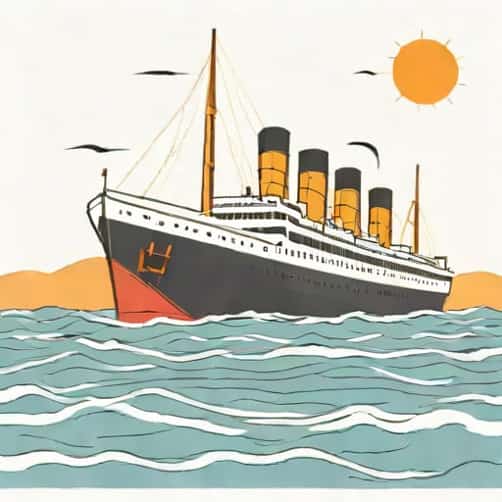
The sinking of the Titanic in April 1912 is one of the most infamous maritime disasters in history, and it has been the subject of countless investigations, books, and documentaries. One question that has fascinated historians and the public alike is why the SS Californian, a nearby ship, did not respond to the Titanic’s distress signals. The Californian was reportedly close enough to see the Titanic’s distress rockets and even observe its lights, yet it did not come to the rescue. Understanding why the Californian did not help the Titanic involves examining human error, miscommunication, and the maritime practices of the early 20th century. By exploring the circumstances surrounding the Californian’s inaction, we gain insight into one of the most controversial aspects of the Titanic tragedy.
The Position of the Californian
The SS Californian was a British steamship traveling through the North Atlantic on the night of April 14-15, 1912. At the time of the Titanic disaster, the Californian was reportedly stopped due to ice in the area. Crew members on the Californian could see rockets fired into the sky from the Titanic, but they did not interpret these signals as a call for immediate assistance. This proximity-within visual range of the stricken ship-makes the inaction of the Californian a central focus of criticism and inquiry in discussions about the Titanic’s sinking.
The Ice Field and Navigation Concerns
The Californian had stopped for the night after encountering a dense ice field. Captain Stanley Lord was concerned about navigating safely through the ice, which could have caused serious damage to the ship. This fear of collision may have influenced the crew’s decision to remain stationary rather than risk moving toward the Titanic. While caution was understandable given the dangers of ice, this decision ultimately prevented timely assistance that could have saved lives. The presence of ice made immediate rescue a complex and risky operation.
Miscommunication and Misinterpretation
One of the key factors contributing to the Californian’s failure to respond was miscommunication and the misinterpretation of signals. The crew reportedly saw rockets from the Titanic but did not recognize them as distress signals. At the time, there was no standardized protocol for identifying distress rockets, and the Californian’s wireless operator had gone off duty. This meant that critical communication between ships was interrupted, and the urgency of the situation was not effectively conveyed to the captain or crew.
Wireless Communication Issues
The Californian’s wireless operator, Cyril Evans, had been sending messages about ice conditions to nearby ships but had signed off for the night. Meanwhile, the Titanic’s wireless distress calls were sent repeatedly, but the Californian did not receive them in time. This lack of effective wireless communication played a significant role in the ship’s inaction. In addition, the Titanic’s crew assumed that nearby ships were monitoring their distress messages, highlighting the reliance on early wireless technology that was still developing in 1912.
Captain Stanley Lord’s Decisions
Captain Stanley Lord of the Californian faced several critical decisions that night. He reportedly observed rockets from the Titanic but believed they were part of a private signal or a celebratory display rather than a call for help. Lord’s judgment has been widely criticized, as his failure to investigate the source of the rockets contributed to the inaction. Historical accounts suggest that some crew members urged him to respond, but he chose caution over intervention. This decision remains one of the most debated aspects of the Titanic disaster.
Human Error and Responsibility
The failure of the Californian to respond can also be attributed to human error. Misjudging the situation, underestimating the severity of the distress signals, and relying on assumptions rather than verifying the source all contributed to the tragedy. While technology and maritime rules played a role, human decision-making was a decisive factor in why the Californian did not help the Titanic. Investigations after the disaster highlighted these errors and recommended changes to improve safety and response protocols for future maritime incidents.
Investigations and Controversy
After the Titanic disaster, inquiries in both the United States and the United Kingdom examined the role of the Californian. Testimonies revealed that the ship was indeed within visual range of the Titanic and could have reached the site in time to save lives. Captain Lord defended his actions, claiming that he did not recognize the distress signals. Despite his defense, historians and maritime experts have criticized his decisions, arguing that a more proactive response could have significantly reduced the loss of life.
Impact on Maritime Law
The failure of the Californian to respond to the Titanic’s distress calls had long-lasting effects on maritime law and safety protocols. The tragedy highlighted the need for
- 24-hour wireless communication on ships to ensure distress signals are received promptly
- Standardized procedures for identifying and responding to distress rockets
- Clear responsibilities for nearby ships to assist vessels in danger
- Improved training for captains and crew on emergency response
These reforms aimed to prevent similar incidents in the future, ensuring that ships at sea would be better prepared to respond to emergencies.
Why the Californian’s Inaction Matters
The inaction of the Californian is not only a point of historical curiosity but also a lesson in human error, responsibility, and the limitations of technology at the time. The tragedy of the Titanic was amplified because nearby assistance was available yet not utilized. Understanding the reasons behind the Californian’s failure-ice hazards, miscommunication, human judgment, and technological limitations-helps explain how a preventable response contributed to one of the deadliest maritime disasters in history. The story serves as a reminder of the importance of vigilance, communication, and prompt action in emergencies.
Legacy of the Californian Incident
Today, the Californian is remembered primarily for its controversial inaction during the Titanic disaster. Captain Stanley Lord and his crew faced public scrutiny, and their failure influenced maritime safety regulations worldwide. Lessons from this incident have informed the development of international safety standards, making modern shipping more reliable and responsive. While the Californian’s inaction remains a dark chapter in maritime history, it has prompted positive change, ensuring that future sailors are better equipped to respond to distress signals and protect lives at sea.
The question of why the Californian did not help the Titanic is complex, involving human error, technological limitations, and environmental hazards. The ship was within sight of the Titanic and could have intervened, yet miscommunication, the absence of wireless monitoring, and cautious decision-making prevented timely action. Investigations after the disaster highlighted these failings and led to reforms that improved maritime safety worldwide. The story of the Californian serves as a powerful reminder of the importance of vigilance, communication, and swift response in emergencies, ensuring that such a tragedy is less likely to happen again.