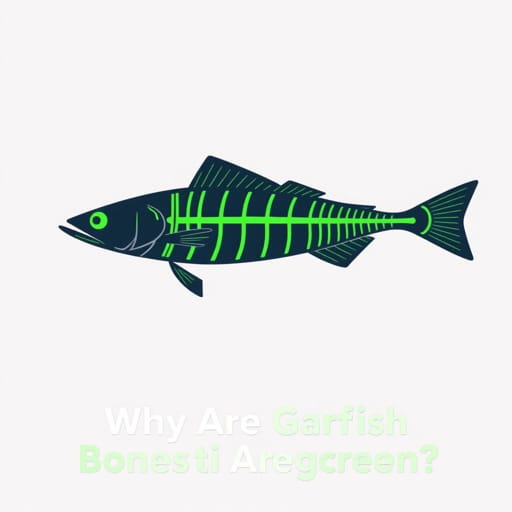
Many people who have cooked or eaten garfish for the first time are surprised to discover that its bones are green. Unlike most fish species, which have white or off-white bones, garfish stand out for this unusual feature. This unique characteristic often raises questions about whether it is safe to eat and what causes the green color in the first place. Understanding why garfish bones are green requires exploring biology, chemistry, and the natural adaptations of this fascinating fish.
The Garfish and Its Unique Appearance
The garfish is a slender, elongated fish found in coastal waters, especially in the Atlantic Ocean, the Mediterranean, and the North Sea. Known for its sharp, beak-like jaws, the garfish has a striking body that often shimmers with a bluish-green tint. However, the most surprising trait is revealed when it is cooked or filleted the bones are bright green. This unusual feature has intrigued both scientists and seafood lovers for centuries.
Why Are Garfish Bones Green?
The green color of garfish bones is caused by a special pigment known asbiliverdin. Biliverdin is a green bile pigment that results from the breakdown of hemoglobin, the protein in red blood cells responsible for carrying oxygen. In most animals, biliverdin is further broken down into bilirubin, which has a yellowish color. However, in garfish, biliverdin accumulates in higher concentrations, giving the bones their distinct green appearance.
The Role of Biliverdin
Biliverdin is not unique to garfish; it is present in many organisms. For example, it is the same pigment that gives bruises their greenish tint during healing and is also responsible for the green color in the eggshells of certain birds. What makes garfish unusual is the visible concentration of this pigment in their skeletal structure.
Is It Safe to Eat Garfish with Green Bones?
One of the most common concerns about garfish is whether the green bones make it unsafe to eat. The answer is no the green pigment is completely harmless. Biliverdin is a natural substance and does not pose any health risks when consumed. In fact, garfish is considered a healthy seafood option, being rich in protein, omega-3 fatty acids, and essential nutrients.
The bright green bones can sometimes be off-putting to those unfamiliar with the species, but they are not toxic. Many coastal communities have been eating garfish for generations without any problems.
Scientific Theories Behind Green Bones
Although biliverdin is the main explanation for the color, scientists have also discussed possible reasons why garfish retain so much of it compared to other fish.
- Protective functionSome researchers suggest that biliverdin may help protect tissues from oxidative stress, acting as an antioxidant within the fish’s body.
- Structural traitIt may simply be a byproduct of garfish metabolism, with no special evolutionary purpose other than being a natural chemical outcome.
- Camouflage theoryAnother possibility is that the pigment might provide some ecological advantage, perhaps related to the garfish’s greenish-blue body, blending with its marine environment.
Garfish in Culinary Traditions
Despite their unusual green bones, garfish are highly valued in many cuisines. Their flesh is white, delicate, and similar to that of mackerel or herring. In coastal Europe, particularly in Denmark, the UK, and the Mediterranean, garfish is enjoyed grilled, smoked, or fried. The green bones often become a talking point at the dining table, but once people learn they are harmless, the curiosity turns into appreciation.
In fact, some cooks and fishmongers even highlight the green bones as a unique selling point, making garfish memorable among seafood varieties.
Nutritional Value of Garfish
Beyond their striking appearance, garfish are a nutritious source of food. Eating garfish provides a range of health benefits, including heart and brain support due to its omega-3 content. The fish is also lean and packed with vitamins and minerals that are essential to a balanced diet.
- Rich in protein, helping build and repair body tissues
- High in omega-3 fatty acids, supporting cardiovascular health
- Contains essential vitamins such as vitamin D and B12
- Provides minerals like selenium, phosphorus, and iodine
These nutritional qualities make garfish a healthy addition to any diet, despite its unusual green bones.
Comparison with Other Fish Species
Most fish have white or slightly translucent bones, which makes the garfish a true standout. While some animals display biliverdin in different ways, it is rare to see it so concentrated in the bones. For example, certain reptiles and amphibians also show traces of green pigmentation in tissues, but they do not display it in such a striking way as the garfish. This makes garfish an excellent example of how diverse and surprising marine biology can be.
Public Perception and Myths
Over time, the green bones of garfish have given rise to various myths and misconceptions. Some people once believed the bones were poisonous, while others thought they indicated spoilage. However, these beliefs have been proven wrong through scientific study and long culinary traditions. The bones remain green whether the fish is raw, cooked, or smoked, and the color is simply a natural feature.
For newcomers, the sight of green bones can still cause hesitation, but awareness is growing that garfish is not only safe but also delicious.
Practical Tips for Cooking Garfish
If you are preparing garfish for the first time, there are a few things to keep in mind
- Remove the bones carefully, as they can be fine and tricky to handle.
- Marinate or season the fish to enhance its naturally delicate flavor.
- Grilling or frying works particularly well to bring out the taste of garfish.
- Be prepared for the green bones to remain visible even after cooking they are part of the fish’s charm.
The Fascination of Green Bones in Marine Biology
From a scientific perspective, garfish bones provide an excellent case study of pigmentation in vertebrates. The high concentration of biliverdin demonstrates how different organisms process pigments in unique ways. Marine biologists and ichthyologists continue to study these traits, not only to understand garfish better but also to gain insights into pigment metabolism across species.
The mystery of why garfish bones are green has a clear answer the pigment biliverdin. Far from being dangerous, this natural substance is harmless and simply gives the bones their unusual color. Garfish remains a safe and nutritious seafood option, prized in many culinary traditions. Its striking green bones add to its uniqueness, making it a fascinating species both in science and in the kitchen. For anyone curious enough to try, garfish offers not only a delicious meal but also a memorable story of biology and nature’s creativity.