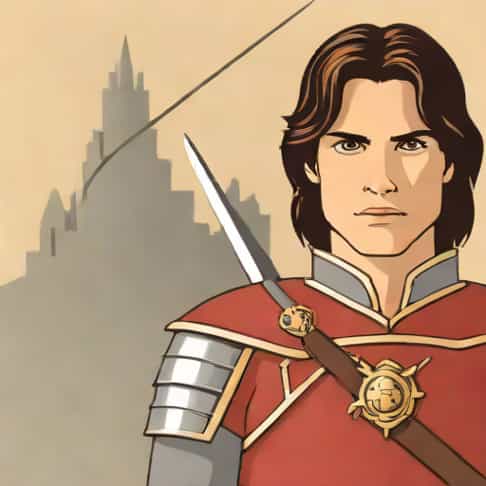
Prince Caspian is one of the central characters in C.S. Lewis’s beloved fantasy series, The Chronicles of Narnia. Known for his courage, honor, and strong sense of justice, Caspian is introduced in the novel Prince Caspian, the fourth book published in the series. He is the rightful heir to the throne of Narnia, a land filled with magical creatures, talking animals, and ancient prophecies. His journey from a young prince fleeing from a usurping uncle to a wise and valiant king is an inspiring tale of growth, leadership, and the fight for justice. Prince Caspian’s character resonates with readers for his combination of bravery, compassion, and humility, making him one of the most memorable figures in Narnian lore.
Introduction to Prince Caspian
Prince Caspian, often called Caspian by friends and allies, first appears in Prince Caspian The Return to Narnia. He is depicted as a young man who must navigate the complexities of royal duty while standing up against corruption and tyranny. Caspian is the son of King Caspian IX and Queen Prunaprismia, members of Narnia’s royal lineage. Despite his noble birth, Caspian is humble, empathetic, and deeply committed to doing what is right, even in the face of danger.
Character Traits
- Brave and CourageousCaspian consistently demonstrates bravery, whether confronting an evil usurper or rallying allies to reclaim Narnia.
- Compassionate LeaderUnlike many rulers, he listens to his subjects, including the Old Narnians such as dwarfs, talking animals, and fauns, valuing their wisdom and experience.
- Honorable and JustCaspian seeks justice and fairness, striving to rule with integrity despite challenges to his authority.
- Growth and MaturityHis journey is also one of personal growth, transitioning from a young prince uncertain of his place to a confident and wise king.
The Role of Caspian in Narnia
In Prince Caspian, the story begins with Caspian living under the rule of his corrupt uncle, King Miraz, who has usurped the throne. Forced into hiding and guided by the teachings of his loyal mentor, Doctor Cornelius, Caspian becomes aware of the history and magic of Narnia. He learns about the Old Narnians, the magical beings and creatures who have been driven into hiding. His mission is to reclaim the throne, restore justice, and revive the magical traditions of Narnia.
The Return of the Pevensies
One of the defining moments in Caspian’s story is the summoning of the Pevensie siblings-Peter, Susan, Edmund, and Lucy-from England to aid him. With their guidance and leadership, Caspian rallies the Narnians for a climactic battle against King Miraz. His collaboration with the Pevensies showcases his humility and ability to seek help, recognizing that leadership sometimes requires listening to others and valuing their experience. The alliance leads to the eventual defeat of Miraz and the restoration of Caspian to his rightful position as king.
Prince Caspian as a Leader
Once Caspian ascends to the throne, he faces the challenge of uniting the Narnians and restoring peace to the kingdom. His rule emphasizes fairness, respect for all beings, and the integration of humans with magical creatures. Caspian’s leadership style is both compassionate and firm, demonstrating that a great leader balances authority with empathy.
Significant Challenges
- Overcoming UsurpationCaspian must reclaim his kingdom from King Miraz, who has imposed tyranny over both humans and Narnians.
- Uniting Diverse SubjectsThe kingdom includes dwarfs, talking animals, centaurs, and other magical beings. Caspian’s success depends on his ability to respect and unify these diverse groups.
- Embracing the Magic of NarniaLearning to believe in the old magic and traditions of Narnia allows Caspian to connect with the land and its history.
Prince Caspian in Subsequent Books
After his introduction, Caspian continues to appear in later books, including The Voyage of the Dawn Treader, The Silver Chair, and The Last Battle. In The Voyage of the Dawn Treader, he embarks on a sea voyage to explore uncharted regions of Narnia, further proving his courage and sense of adventure. His experiences on this journey teach lessons of humility, faith, and personal growth.
Growth and Legacy
Throughout the series, Caspian evolves from a young prince with uncertainty and fear into a wise, noble, and courageous king. His character exemplifies moral integrity and the importance of responsibility in leadership. By listening to his advisors, respecting the magical beings of Narnia, and making difficult choices for the greater good, Caspian embodies the ideals of a true and just ruler.
Cultural and Literary Significance
Prince Caspian has left a lasting mark on readers and fans of fantasy literature. His character represents the classic hero archetype-a young man facing adversity, learning about himself, and fulfilling his destiny. Beyond this, Caspian serves as an example of leadership, empathy, and moral courage, resonating with both children and adult readers. His story emphasizes the themes of justice, faith, and the interplay between magic and human responsibility.
Adaptations in Film and Television
Prince Caspian has also been adapted into films and television series, bringing his character to a wider audience. Notably, the 2008 film adaptation of Prince Caspian brought the story to life with modern cinematic techniques, showcasing his bravery, noble heart, and leadership on screen. In these adaptations, Caspian’s courage, compassion, and growth are central to the narrative, inspiring viewers to appreciate his journey and the broader lessons of courage and morality.
Key Relationships
Throughout his story, Prince Caspian forms significant relationships that shape his character and leadership. His mentor, Doctor Cornelius, provides guidance and education about the history and magic of Narnia. The Pevensie siblings act as allies, helping him to reclaim his throne and proving the value of teamwork. Caspian’s relationships with the magical inhabitants of Narnia highlight his respect for diversity and his ability to earn trust across different cultures and species.
Lessons from Caspian’s Character
- Bravery in AdversityFacing danger and adversity head-on, Caspian demonstrates that courage is essential in leadership and personal growth.
- Humility and LearningBy listening to mentors and allies, he shows the importance of learning and humility even in positions of power.
- Justice and FairnessHis dedication to restoring justice to Narnia exemplifies ethical leadership.
- Faith in the Magical and Moral OrderCaspian believes in the old magic of Narnia, reflecting a balance between faith, morality, and rational decision-making.
Prince Caspian is a central and enduring character in The Chronicles of Narnia, representing courage, integrity, and the journey of growth from youth to leadership. His story in reclaiming the throne, uniting diverse subjects, and navigating personal and moral challenges offers lessons about bravery, fairness, and the importance of moral and ethical responsibility. Whether in literature or film adaptations, Caspian’s character continues to inspire readers and viewers, illustrating the timeless appeal of C.S. Lewis’s imaginative and morally rich world. Through his compassion, bravery, and wise leadership, Prince Caspian remains one of the most beloved heroes in fantasy literature.