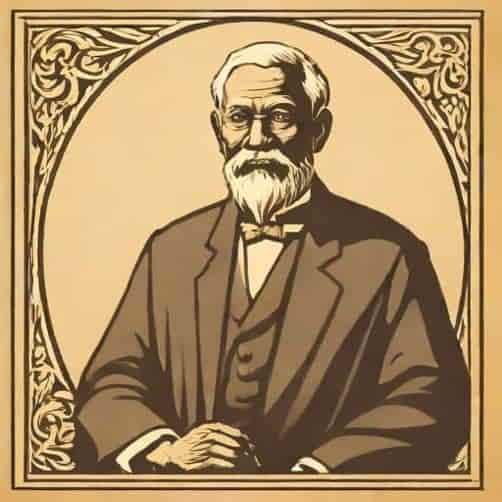
Bethune School, officially known as the Daytona Normal and Industrial Institute for Negro Girls, was founded to provide quality education and empower African American girls during a time when educational opportunities for Black students were extremely limited in the United States. The school was established with the goal of fostering academic excellence, vocational skills, and leadership qualities in young women, helping them contribute meaningfully to their communities and society at large. The history of Bethune School is closely tied to its visionary founder, who devoted her life to education, social reform, and the upliftment of African Americans. Understanding who founded Bethune School provides insight into the origins of one of the most influential institutions in African American education and highlights the enduring impact of its founder’s vision and dedication.
The Founder of Bethune School
Bethune School was founded by Mary McLeod Bethune, a remarkable educator, activist, and leader who dedicated her life to improving educational opportunities for African Americans. Born in 1875 in Mayesville, South Carolina, Mary McLeod Bethune overcame significant personal and societal challenges to pursue her education and later create an institution that would transform the lives of countless young women. Her commitment to education, social justice, and community service laid the foundation for the school, which became a beacon of hope and empowerment for African American girls. Mary McLeod Bethune’s vision extended beyond academics; she emphasized character development, leadership, and practical skills, preparing students to thrive in both professional and social spheres.
Early Life and Inspiration
Mary McLeod Bethune’s early life played a crucial role in shaping her passion for education. Born to former slaves, she experienced the hardships and limited opportunities faced by African Americans in the post-Civil War era. Despite these challenges, she was determined to obtain an education, attending several schools in South Carolina and eventually earning her teaching credentials. Her personal experiences inspired her to create an institution where African American girls could receive a high-quality education and gain the skills necessary to achieve independence and success. Bethune’s early exposure to educational inequities fueled her determination to establish a school that emphasized both academic rigor and practical knowledge.
Founding of the School
In 1904, Mary McLeod Bethune founded the Daytona Normal and Industrial Institute for Negro Girls in Daytona Beach, Florida. The school started with just five students and a strong commitment to providing quality education despite limited resources. Bethune personally oversaw all aspects of the school, from curriculum development to daily operations. She focused on creating a supportive and disciplined environment where students could learn academic subjects as well as practical skills such as cooking, sewing, and business management. The school’s founding reflected Bethune’s belief in education as a tool for empowerment and social change, offering young women the chance to achieve personal and professional growth.
Mission and Vision of Bethune School
The mission of Bethune School under Mary McLeod Bethune’s leadership was to educate, empower, and inspire African American girls. The school emphasized
- Academic excellence in subjects such as reading, writing, mathematics, and science.
- Vocational and industrial skills to prepare students for self-sufficiency.
- Leadership development and character building to create socially responsible individuals.
- Cultural awareness and pride in African American heritage.
- Community service and engagement to promote positive societal impact.
By integrating these values into the curriculum, Mary McLeod Bethune ensured that students were equipped not only with knowledge but also with the skills and confidence to pursue meaningful careers and contribute to their communities.
Growth and Development
Under Mary McLeod Bethune’s guidance, the school grew steadily, attracting more students and expanding its facilities. Bethune’s leadership, fundraising efforts, and network of supporters helped the school thrive despite financial challenges and social obstacles. The institution became recognized for its high educational standards and commitment to nurturing young women who could assume leadership roles in various fields. Over time, Bethune School evolved into a respected center for learning, eventually merging with other institutions to form what is now Bethune-Cookman University, a historically Black university that continues to uphold the legacy of its founder.
Impact on African American Education
The establishment of Bethune School had a profound impact on African American education in the early 20th century. At a time when segregation and limited resources restricted educational opportunities, the school provided African American girls with a safe and nurturing environment to learn and grow. Graduates of Bethune School went on to become teachers, community leaders, and professionals who contributed significantly to social and economic development. The school also served as a model for other educational institutions, demonstrating the power of visionary leadership, community involvement, and a commitment to quality education in overcoming systemic barriers.
Mary McLeod Bethune’s Legacy
Mary McLeod Bethune’s legacy extends far beyond the founding of Bethune School. She became a nationally recognized leader, serving as an advisor to multiple U.S. presidents and advocating for civil rights, women’s empowerment, and educational reform. Her work with the National Council of Negro Women and other organizations reinforced her lifelong dedication to creating opportunities for African Americans, particularly women and girls. The principles she instilled at Bethune School-academic excellence, leadership, and community engagement-continue to influence educational practices and inspire students at Bethune-Cookman University and beyond. Her vision exemplifies the transformative power of education in promoting equality, opportunity, and social progress.
Recognition and Honors
Mary McLeod Bethune received numerous honors during her lifetime and posthumously for her contributions to education and civil rights. She was invited to participate in presidential advisory councils, received honorary degrees from several institutions, and was celebrated for her pioneering work in African American education. Monuments, schools, and public spaces have been named in her honor, ensuring that her legacy endures for future generations. The recognition she received highlights the profound impact of her work and the enduring importance of the school she founded.
Modern-Day Bethune-Cookman University
The school Mary McLeod Bethune founded eventually became part of Bethune-Cookman University, a historically Black university that continues to provide quality education and leadership development. The university has expanded its academic programs to include undergraduate, graduate, and professional degrees across a variety of disciplines. Despite its growth, the institution continues to honor Bethune’s founding principles, emphasizing academic excellence, vocational skills, leadership, and community engagement. Students today benefit from modern facilities, research opportunities, and a diverse learning environment while continuing the legacy of empowerment and education established by Mary McLeod Bethune.
Bethune School was founded by Mary McLeod Bethune, a visionary educator and activist who dedicated her life to improving educational opportunities for African American girls. Her establishment of the Daytona Normal and Industrial Institute for Negro Girls laid the foundation for what would eventually become Bethune-Cookman University. The school’s mission, vision, and impact continue to resonate today, highlighting the importance of education, leadership, and community engagement in creating opportunities for marginalized populations. Mary McLeod Bethune’s legacy as the founder of Bethune School remains a powerful example of how dedication, vision, and perseverance can transform lives and inspire generations of students to achieve excellence and make a positive impact on society.