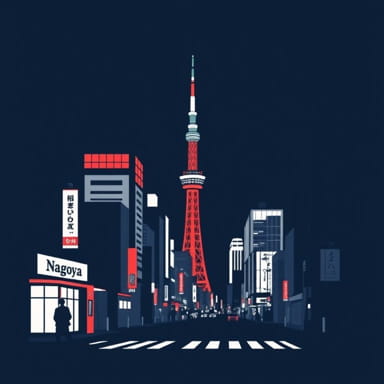
Nagoya is a major city located in the central region of Japan and plays a significant role in the country’s economy, industry, and culture. It is often considered a vital connection point between Tokyo and Osaka and is well-known for its historical landmarks, modern infrastructure, and industrial contributions, especially in the automotive sector. With a balance of traditional Japanese culture and contemporary urban life, Nagoya offers both residents and visitors a unique experience that reflects Japan’s multifaceted identity.
Geographical Location of Nagoya
Nagoya is situated in Aichi Prefecture on the island of Honshu, the largest and most populous island of Japan. It lies along the Pacific coast and is part of the Chūbu region, specifically within the Tōkai subregion. This central location gives Nagoya strategic importance, especially for transportation and commerce.
Neighboring Cities and Prefectures
- North Gifu Prefecture
- West Mie Prefecture
- East and South Other parts of Aichi Prefecture
Nagoya faces Ise Bay to the south, which provides access to maritime transportation and shipping routes.
Nagoya’s Role in Japan
Nagoya is the fourth most populous city in Japan, following Tokyo, Yokohama, and Osaka. Its population exceeds two million residents, making it a central urban hub. It is known as the capital of Aichi Prefecture and serves as a major commercial, industrial, and cultural center.
Economic Importance
The city is a key industrial base, especially in the automotive and aerospace sectors. It is home to Toyota Motor Corporation’s headquarters, which is located in the nearby city of Toyota, part of the Greater Nagoya area.
- AutomotiveCenter of Japan’s auto manufacturing industry
- AerospaceAircraft manufacturing and technology research
- Port of NagoyaOne of Japan’s busiest ports for exports
Transport Hub
Nagoya is a crucial transportation center that connects different parts of Japan through various modes of transport
- RailServed by the Tokaido Shinkansen, linking it directly to Tokyo and Osaka
- RoadExtensive highway network including expressways
- AirChubu Centrair International Airport is located just south of the city
- SeaPort of Nagoya supports domestic and international shipping
Districts and Neighborhoods of Nagoya
The city of Nagoya is divided into 16 wards (ku), each with its own local characteristics, attractions, and administrative offices. Some of the most well-known wards include
- Naka WardThe heart of the city, known for shopping, nightlife, and Nagoya Castle
- Nishi WardFamous for the Noritake Garden and traditional crafts
- Atsuta WardHome to Atsuta Shrine, one of the most sacred shrines in Japan
- Nakamura WardLocation of Nagoya Station and many corporate headquarters
Cultural and Historical Significance
Besides being a center of industry, Nagoya is rich in culture and history. The city has played a vital role throughout various periods in Japanese history, particularly during the Edo period under the Tokugawa clan.
Landmarks and Attractions
- Nagoya CastleOriginally constructed in the early 1600s, symbolizing the city’s samurai heritage
- Atsuta ShrineHouses one of Japan’s Imperial Regalia, drawing many pilgrims annually
- Osu Shopping DistrictA vibrant area filled with traditional shops and modern fashion
- Tokugawa Art MuseumFeatures samurai artifacts and historical exhibits
Festivals and Traditions
Nagoya hosts numerous festivals that showcase its traditional culture
- Nagoya MatsuriCelebrates the city’s historical roots with parades and performances
- Atsuta FestivalOne of the oldest and most revered Shinto festivals in the region
- World Cosplay SummitHighlights modern pop culture and attracts global visitors
Education and Research
Nagoya is also a center for higher education and research institutions. It is home to several renowned universities that contribute to scientific and technological advancement in Japan.
- Nagoya UniversityOne of Japan’s top national universities, known for Nobel laureates in science
- Nagoya Institute of TechnologyLeading technical university with strong industry ties
- Nanzan UniversityPrestigious private institution with international programs
Living in Nagoya
Nagoya offers a relatively affordable and comfortable lifestyle compared to Tokyo or Osaka. Its infrastructure, safety, and accessibility make it an attractive place to live for both locals and foreigners.
Key Features of Life in Nagoya
- Efficient public transportation and road networks
- Clean and organized urban planning
- Variety of parks, museums, and recreational areas
- Rich culinary scene, famous for hitsumabushi (grilled eel) and miso katsu
Climate
Nagoya experiences a humid subtropical climate. Summers are hot and humid, while winters are mild with occasional snowfall. The city sees a fair amount of rainfall, especially during the rainy season in June and typhoon season in late summer.
Nagoya’s Global Connections
As a modern international city, Nagoya maintains sister city relationships with several cities around the world. These relationships foster cultural exchange, business cooperation, and mutual development.
- Los Angeles, USA
- Mexico City, Mexico
- Sydney, Australia
- Nanjing, China
Its international airport and global companies based in the region make Nagoya a truly connected city with growing global influence.
Nagoya, Japan, is much more than just a point on the map. It is a thriving urban center deeply rooted in Japan’s history, yet forward-looking in terms of innovation, technology, and infrastructure. Strategically located in central Japan, Nagoya plays a crucial role in bridging eastern and western Japan, both culturally and economically. Whether you are interested in traditional architecture, industrial development, or vibrant local life, Nagoya offers something meaningful for everyone. Understanding where Nagoya is located is key to appreciating its value as one of Japan’s most dynamic and essential cities.