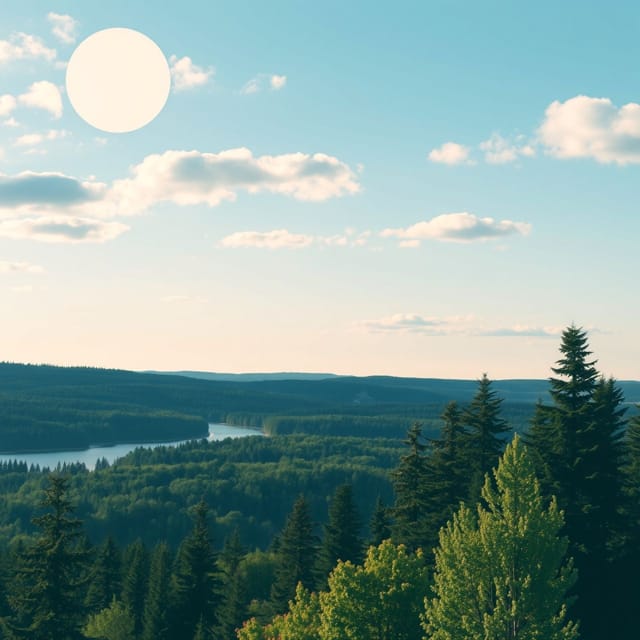
Huntsville, Ontario is a picturesque town located in the heart of the Muskoka region, one of Canada’s most well-known cottage and vacation areas. Surrounded by lakes, forests, and rolling hills, Huntsville draws attention for its natural beauty and its role as a gateway to Algonquin Provincial Park. Understanding where Huntsville is located geographically and how it fits into Ontario’s broader landscape reveals why it has become both a popular tourist destination and a peaceful place to live.
Geographic Location of Huntsville, Ontario
Position in Ontario
Huntsville is situated in the District Municipality of Muskoka in central Ontario, Canada. It lies approximately 215 kilometers (about 134 miles) north of Toronto, making it an accessible destination for weekend travelers and vacationers from southern Ontario. The town is located along Highway 11, which connects northern and southern parts of the province, providing convenient road access.
Proximity to Natural Attractions
Huntsville is strategically located near several major natural landmarks. It is one of the main entry points toAlgonquin Provincial Park, a massive wilderness area known for its hiking trails, lakes, and wildlife. In addition, Huntsville is surrounded by numerous lakes such as Lake Vernon, Fairy Lake, and Peninsula Lake, all of which contribute to the region’s reputation for outdoor recreation and scenic landscapes.
Climate and Seasonal Features
Four Distinct Seasons
Like most of Ontario, Huntsville experiences four distinct seasons. Summers are warm and ideal for boating, swimming, and hiking. Autumn brings spectacular fall colors, drawing photographers and tourists eager to witness the foliage. Winters can be cold and snowy, making the town a hub for winter sports like skiing and snowmobiling. Spring introduces a refreshing green landscape and is often considered the quietest and most peaceful season in the area.
Weather Patterns
Average summer temperatures in Huntsville range from 20°C to 27°C (68°F to 81°F), while winter temperatures can drop below -10°C (14°F). Snowfall is common in the winter months, and the region typically receives a fair amount of precipitation throughout the year. This climate supports lush forests, healthy ecosystems, and a wide variety of seasonal activities.
Historical Background of Huntsville
Early Settlement and Growth
The area that is now Huntsville was originally inhabited by Indigenous peoples, including the Anishinaabe. European settlers began arriving in the mid-1800s, drawn by the region’s natural resources. The town was officially incorporated in 1886 and named after Captain George Hunt, one of the early settlers who played a significant role in the community’s development.
Transportation and Tourism
With the arrival of the railway in the late 19th century, Huntsville quickly became more accessible and began to grow as a tourist destination. Wealthy visitors from Toronto and other cities built summer homes and cottages in the area. Over time, tourism became one of the town’s main economic drivers, a status it continues to hold today.
Modern-Day Huntsville
Population and Demographics
Huntsville has a population of around 20,000 people, though this number can increase significantly during peak tourist seasons. The community includes both permanent residents and seasonal visitors who come to enjoy its natural beauty. The population is largely English-speaking, and the town has a reputation for being welcoming and community-oriented.
Economy and Industry
The economy of Huntsville is based primarily on tourism, retail, and services. The hospitality industry thrives here, with a wide range of hotels, bed and breakfasts, restaurants, and outdoor recreation providers. The arts also play a role in the local economy, with galleries, theaters, and festivals bringing in visitors and supporting local artists.
Transportation and Accessibility
Road Access
Huntsville is easily accessible via Highway 11, a major north-south highway in Ontario. This makes it a convenient drive from cities like Toronto, Barrie, and North Bay. The highway infrastructure supports both commercial and leisure traffic, contributing to the town’s role as a regional hub.
Public Transit and Local Travel
While public transit options within Huntsville are limited, local shuttle services, taxis, and car rentals are available. Most visitors and residents rely on private vehicles for getting around. In the winter, roads are well-maintained, although snowfall can cause temporary delays.
Recreation and Lifestyle
Outdoor Activities
Huntsville is a top destination for those who enjoy the outdoors. Popular activities include
- Canoeing and kayaking on local lakes
- Hiking in Algonquin Park and nearby trails
- Skiing and snowboarding at Hidden Valley Highlands
- Fishing and camping in numerous natural areas
- Snowmobiling during the winter months
Arts and Culture
The town is home to the Algonquin Theatre, which hosts plays, concerts, and community events. Huntsville also celebrates local culture through events like the Huntsville Festival of the Arts and various seasonal markets. Art lovers often visit the Group of Seven Outdoor Gallery, which features murals inspired by Canada’s famous landscape painters.
Education and Community Services
Schools and Colleges
Huntsville is served by the Trillium Lakelands District School Board, which manages several elementary and secondary schools in the area. There are also Catholic and private education options available. The town is home to a campus of Georgian College, which offers post-secondary programs related to business, health, and trades.
Healthcare and Amenities
Residents have access to healthcare services through the Huntsville District Memorial Hospital, which provides emergency care, diagnostics, and specialist consultations. Additional services like dental clinics, physiotherapy, and mental health support are available throughout the town. Grocery stores, banks, and pharmacies are easily accessible as well.
Why Huntsville is a Desirable Location
Quality of Life
Huntsville is frequently cited as one of the best places to live in Ontario due to its combination of natural beauty, low crime rates, and strong sense of community. For families, retirees, and nature lovers, the town offers a peaceful environment with plenty of amenities and recreational opportunities.
Real Estate and Housing
The real estate market in Huntsville includes a mix of waterfront properties, traditional homes, and seasonal cottages. While prices have increased over the years due to growing interest in the Muskoka region, Huntsville remains more affordable than larger cities like Toronto. Both buyers and renters can find suitable options depending on their needs and lifestyle.
Huntsville, Ontario is a vibrant town located in the beautiful Muskoka region, offering a perfect mix of small-town charm, natural beauty, and modern convenience. Positioned just a couple of hours north of Toronto and near the gateway to Algonquin Provincial Park, Huntsville serves as both a tourist haven and a peaceful community to call home. Whether you’re planning a visit, considering a move, or simply exploring Ontario’s geography, knowing where Huntsville is and what it represents gives valuable insight into this unique and inviting destination.