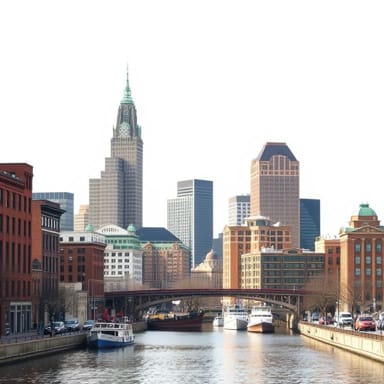
Located on the East Coast of the United States, Baltimore, MD is a city with a rich history, vibrant culture, and a significant place in American geography. As one of the most well-known cities in the Mid-Atlantic region, Baltimore plays an important role in the state of Maryland and the broader northeastern corridor. Whether you’re curious about its exact location or what makes the city unique, understanding where Baltimore is situated provides deeper insight into its influence and appeal.
Geographical Location of Baltimore
Mid-Atlantic Region
Baltimore is located in the Mid-Atlantic region of the United States, on the western shore of the Chesapeake Bay. It lies in the northern part of the state of Maryland and is positioned roughly halfway between Washington, D.C., and Philadelphia, Pennsylvania. This strategic position makes it an important hub for commerce, transportation, and culture in the eastern U.S.
Coordinates and Physical Setting
The approximate coordinates of Baltimore are 39.29° N latitude and 76.61° W longitude. The city is situated at the head of the Patapsco River, which flows into the Chesapeake Bay. This location has contributed to Baltimore’s historical role as a major seaport and industrial center. The terrain includes low hills and riverfront areas, with several neighborhoods built around waterfront views.
Baltimore Within the State of Maryland
Independent City Status
Unlike many other cities in the United States, Baltimore is not part of a county. It is anindependent city, which means it operates as its own jurisdiction separate from any county government. This status is unique in Maryland, where other cities are part of counties. Baltimore is the largest city in the state and serves as an economic and cultural anchor for the region.
Proximity to Other Maryland Cities
Baltimore is well connected to other cities and regions in Maryland. It is about 40 miles northeast of Washington, D.C., and approximately 25 miles southwest of the Maryland-Pennsylvania state line. Other nearby Maryland cities include
- Towson– north of Baltimore and part of Baltimore County
- Columbia– to the southwest in Howard County
- Annapolis– to the southeast and home to the Maryland state capital
Transportation and Accessibility
Major Highways
Baltimore is accessible through several major highways, including Interstate 95, which runs along the East Coast and connects the city to other major urban centers. Interstate 83 runs north-south through Baltimore, while I-695, known as the Baltimore Beltway, circles the city and connects to suburban communities.
Public Transportation and Airports
The city is served by the Maryland Transit Administration (MTA), which operates bus, light rail, and subway services within the metropolitan area. Baltimore is also home toBWI Thurgood Marshall Airport, a major international airport located just south of the city, providing easy access for domestic and international travelers.
Historical Importance of Baltimore’s Location
Role as a Port City
Baltimore’s location along the Patapsco River and Chesapeake Bay allowed it to grow rapidly in the 18th and 19th centuries. It became a vital port for shipping goods such as tobacco, grain, and textiles. Its Inner Harbor developed into one of the most important shipping and shipbuilding hubs in the country, contributing to Baltimore’s economic rise.
Civil War and Industrial Development
During the Civil War, Baltimore’s location put it in a critical border state with divided loyalties. After the war, its position between the industrial North and the agricultural South helped the city flourish as a manufacturing and transport center. The city continued to grow throughout the early 20th century, thanks in part to its geographic advantages.
Climate and Environment
Mid-Atlantic Climate
Baltimore experiences a humid subtropical climate. Winters are generally cold with occasional snow, while summers are hot and humid. The proximity to the Chesapeake Bay helps moderate the climate, especially in the spring and fall. The area receives a mix of seasonal weather that influences local agriculture and lifestyle.
Parks and Natural Features
Despite being a dense urban area, Baltimore includes many parks, trails, and natural attractions. Druid Hill Park, Patterson Park, and the nearby Patapsco Valley State Park offer green space and recreational activities. The city’s location supports a range of outdoor experiences, from boating in the harbor to hiking in the surrounding countryside.
Cultural and Economic Hub
Local Economy
Thanks to its location in Maryland and along major trade routes, Baltimore has developed a diverse economy. Major sectors include healthcare, education, technology, and maritime industries. The Port of Baltimore remains one of the busiest ports in the U.S. for handling cars and other cargo. The presence of universities and research hospitals further boosts the city’s economy.
Neighborhoods and Communities
Baltimore is made up of a variety of neighborhoods, each with its own character. From the historic Federal Hill and Fells Point to the artsy Station North district, the city reflects its cultural depth and diversity. Its position as a centrally located urban area contributes to its reputation as a city of neighborhoods, each rooted in history and community pride.
Educational Institutions and Research
Major Universities
Baltimore is home to several renowned educational institutions. Johns Hopkins University, one of the leading research universities in the world, is located in the city. The University of Maryland, Baltimore, focuses on medical and legal studies and supports much of the city’s academic research. These schools contribute to the innovation and intellectual atmosphere of the region.
Impact on the Region
Because of its location, Baltimore draws students and professionals from across Maryland and neighboring states. Its educational institutions are deeply connected to the regional economy and healthcare system. The city’s reputation as a center for science, medicine, and learning is closely tied to its geographic position in the Mid-Atlantic.
So where is Baltimore, MD? It is located in the northeastern part of the United States, in the state of Maryland, along the shores of the Patapsco River and the Chesapeake Bay. As an independent city, Baltimore is not part of any county, making it unique within Maryland’s administrative structure. Its location in the Mid-Atlantic region provides strategic importance economically, historically, and culturally. Whether you’re looking at maps, planning a trip, or exploring its heritage, understanding where Baltimore is helps reveal why this city has played such a crucial role in the story of the United States.