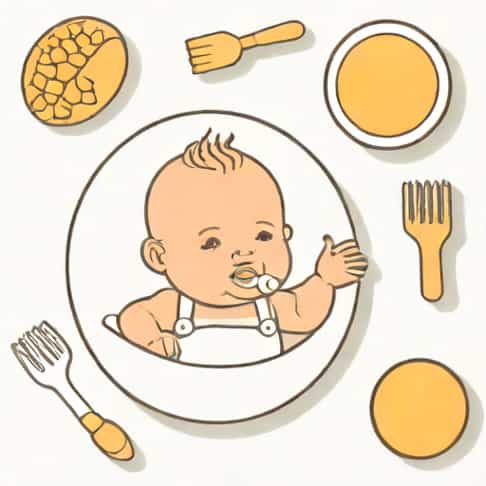
Introducing solids to a baby is an exciting milestone for both parents and infants. It marks the beginning of a new phase in your child’s growth and development, as they transition from a purely liquid diet of breast milk or formula to more complex textures and flavors. Knowing the right time to introduce solids is crucial to ensure your baby receives proper nutrition, develops healthy eating habits, and avoids potential health risks. This topic explores the recommended guidelines, signs of readiness, types of first foods, and tips for a safe and enjoyable introduction to solids.
When to Introduce Solids Recommended Age
According to leading pediatric organizations, most babies are ready to start solids around 6 months of age. While some infants may show readiness slightly before or after this timeframe, introducing solids before 4 months is generally discouraged. Early introduction can increase the risk of choking, food allergies, and digestive issues. Conversely, delaying solids beyond 7-8 months may result in nutrient deficiencies, particularly iron and zinc, which are critical for growth and development.
Why Around 6 Months?
By approximately 6 months, most babies have developed the necessary motor skills, digestive maturity, and nutritional needs to handle solids. Breast milk or formula alone may no longer provide sufficient iron, zinc, and certain vitamins, making complementary foods important for maintaining healthy growth. At this stage, babies are typically able to sit up with minimal support, hold their head steady, and show interest in food, all of which are essential for safe eating.
Signs Your Baby Is Ready for Solids
Besides age, observing developmental signs can help determine whether your baby is ready to start solid foods. Common indicators include
- Good head and neck controlYour baby can sit upright with support and hold their head steady.
- Interest in foodYour baby watches you eat, reaches for food, or opens their mouth when food is offered.
- Ability to move food to the back of the mouthThis helps prevent choking and allows safe swallowing.
- Loss of tongue-thrust reflexBabies naturally push food out of their mouths with their tongue; losing this reflex is necessary to swallow solids.
If your baby displays these signs, it is generally safe to begin introducing solids. However, each child is unique, so consulting your pediatrician is always a good practice.
First Foods to Introduce
Starting with single-ingredient foods is recommended to help monitor for allergies or intolerances. Soft, pureed, or mashed foods are ideal at the beginning. Some common first foods include
- Iron-fortified cerealsRice, oatmeal, or multigrain cereals are gentle on the stomach and provide essential nutrients.
- VegetablesPureed carrots, sweet potatoes, squash, or peas offer vitamins and minerals.
- FruitsApplesauce, mashed bananas, or pear puree introduce natural sweetness and fiber.
- ProteinsPureed meats, lentils, and beans can be introduced gradually for iron and protein intake.
Introduce one new food at a time and wait 3-5 days before trying another. This approach allows you to identify any allergic reactions, such as rashes, vomiting, or diarrhea.
Textures and Progression
As your baby becomes more comfortable with purees, you can gradually introduce thicker textures and soft finger foods. By 8-10 months, many infants are ready to explore mashed, finely chopped, or soft-cooked foods that encourage chewing. Progressing to more complex textures helps develop oral motor skills, supports speech development, and encourages independent feeding.
Examples of Progression
- 6-7 months Smooth purees of fruits, vegetables, and cereals
- 7-8 months Slightly thicker purees or mashed foods
- 8-10 months Soft, small pieces of cooked vegetables, fruits, and tender meats
- 10-12 months Finger foods, soft bread, scrambled eggs, and small pasta pieces
Allergy Considerations
Introducing potentially allergenic foods early may help reduce the risk of allergies. Current guidelines suggest that foods such as eggs, peanuts, and fish can be introduced around 6 months, after discussing with your pediatrician. Always monitor for allergic reactions, especially when giving these foods for the first time.
Tips for a Safe Feeding Environment
Creating a safe and positive feeding environment is essential for preventing accidents and encouraging healthy eating habits. Consider the following tips
- Always supervise your baby during meals.
- Use age-appropriate utensils and high chairs with safety straps.
- Offer small, manageable portions to avoid choking hazards.
- Encourage self-feeding to promote independence and motor skill development.
- Be patient; babies may refuse new foods initially, and repeated exposure is often needed.
Signs to Stop or Pause
It is important to pay attention to your baby’s cues. Signs that indicate your baby may need a break from solids include
- Persistent gagging or choking
- Severe diarrhea or vomiting
- Unusual rashes or hives after trying a new food
- Loss of interest in feeding or apparent discomfort
Consult your pediatrician if any concerning symptoms arise.
Introducing solids to your baby is a key milestone that should be approached with patience, attention, and guidance. Most babies are ready around 6 months, with readiness indicated by developmental cues and interest in food. Starting with single-ingredient, nutrient-rich foods, gradually introducing textures, and monitoring for allergies will help your baby develop healthy eating habits and ensure proper growth. Creating a safe, supervised, and positive feeding environment fosters enjoyment and learning during mealtimes. By following these guidelines, parents can navigate the transition from milk to solids with confidence, helping their child thrive and explore new flavors safely.