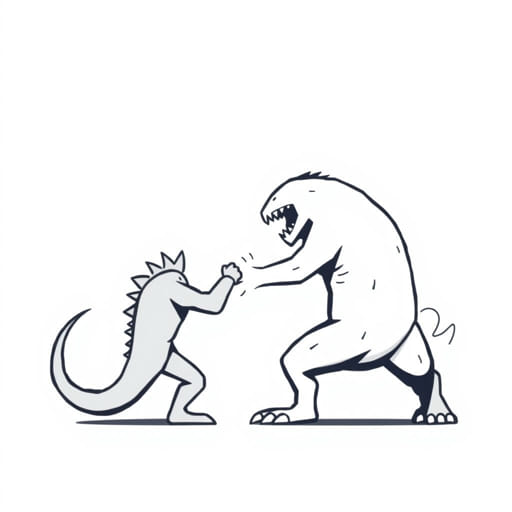
The Battle of the Cowshed is a pivotal event in George Orwell’s novelAnimal Farm, representing not only a physical conflict but also a symbolic turning point in the animals’ revolution. This fictional battle occurs after the animals have successfully overthrown their human owner, Mr. Jones, and taken control of the farm. However, their victory is soon challenged when the humans attempt to regain control. The Battle of the Cowshed serves as a dramatic moment of resistance, unity, and later manipulation. Understanding this event is crucial to grasping the political allegory at the heart of the novel, particularly its commentary on the Russian Revolution and the rise of authoritarian regimes.
Setting the Stage for the Battle
The Rebellion and Rising Tensions
Before the Battle of the Cowshed, the animals had already staged a successful rebellion against Mr. Jones, driving him off the farm and renaming it Animal Farm. Under the leadership of the pigs mainly Snowball and Napoleon the animals establish a new system based on equality and shared labor. However, their triumph is fragile. Mr. Jones and other neighboring farmers are outraged by the uprising and fear that it could inspire rebellions on their own farms. As a result, they begin planning a counterattack to retake the land.
Preparation by the Animals
Anticipating an attack, Snowball studies military tactics from a book left behind by Mr. Jones. He organizes a strategic plan to defend the farm. The animals train and prepare themselves under his guidance, demonstrating discipline and teamwork. This planning shows Snowball’s leadership abilities and his dedication to protecting the farm’s newfound independence.
The Battle of the Cowshed What Happened?
The Attack Begins
The battle begins when Mr. Jones, accompanied by other local farmers and armed with sticks and guns, storms the farm in an attempt to reclaim it. The animals are ready. They have laid traps and positioned themselves for a coordinated defense. The first stage of the battle involves a group of smaller animals, like pigeons and geese, creating distraction and confusion. Then, more powerful animals like horses and pigs move in for the main attack.
Key Moments and Victory
Snowball leads the charge with bravery, even being wounded by a shotgun. His tactical skills allow the animals to drive the humans away. One of the most dramatic moments is when the animals charge en masse, overwhelming the attackers. Despite some casualties, including the death of a sheep, the animals succeed in repelling the humans and securing their control over the farm. The battle is later commemorated with military honors and becomes a central part of Animal Farm’s collective memory.
Characters in the Battle
Snowball’s Heroism
Snowball emerges as the hero of the Battle of the Cowshed. He fights bravely and plays a key role in organizing the defense. His leadership earns him respect from the other animals and helps solidify his place as a key figure in the new regime. Snowball’s contributions are initially celebrated, and he is awarded the title of Animal Hero, First Class.
Boxer’s Strength and Loyalty
Boxer, the strong and loyal horse, also plays a significant role. His physical power is unmatched, and he fights with great courage. However, his gentle nature is evident when he believes he might have killed a human and expresses sorrow. This moment reveals Boxer’s deep morality, which contrasts with the manipulative behavior of the pigs later in the story.
Napoleon’s Absence
Interestingly, Napoleon does not play a noticeable role during the actual battle. His lack of visible leadership during the conflict foreshadows his future manipulation of historical events. While Snowball is active on the front lines, Napoleon remains in the background, positioning himself for political power later.
Symbolic Meaning of the Battle of the Cowshed
Allegory of the Russian Civil War
The Battle of the Cowshed is an allegory for the Russian Civil War, which occurred after the Bolshevik Revolution. Just like Mr. Jones and the farmers try to retake Animal Farm, the forces loyal to the old Russian regime attempted to defeat the Bolsheviks and reverse the revolution. Snowball can be seen as a representation of Leon Trotsky, a military strategist during the Russian Civil War who was later betrayed and erased from Soviet history.
Unity and Its Disintegration
Initially, the battle unites all animals under a common cause. It shows what they can achieve through cooperation and mutual defense. However, as the story progresses, the memory of this battle is twisted and used by those in power to control others. What began as a symbol of hope and solidarity becomes a political tool for manipulation and revisionism.
The Beginning of Propaganda
Later in the novel, after Snowball is driven off the farm by Napoleon, the story of the Battle of the Cowshed is rewritten. Napoleon claims that Snowball was a traitor working with the humans all along. This act of rewriting history demonstrates how authoritarian regimes can alter facts to maintain control. The original meaning of the battle freedom and resistance is lost under layers of propaganda and lies.
The Battle’s Aftermath and Legacy
Commemoration and Celebration
After the battle, the animals hold a ceremony to honor their victory. Medals are awarded, a flag is raised, and a gun is fired to mark the occasion. This ritual is repeated annually to remember the day they defended their freedom. However, as power becomes centralized, these ceremonies lose their original spirit and become tools for controlling the animals’ memories and emotions.
Foreshadowing Future Betrayals
Though the Battle of the Cowshed ends in triumph, it also foreshadows future betrayals. The very leaders who fought alongside the animals begin to twist the narrative for their own gain. The shift in how the battle is remembered highlights the fragility of truth in a society where power is unchecked. Snowball’s heroism is eventually erased from the official story, and Napoleon recasts himself as the sole savior of the farm.
Lessons and Themes
The Power of History
The Battle of the Cowshed illustrates the importance of historical memory. Orwell shows how easily facts can be manipulated when people are not free to question authority. The rewriting of the battle’s events demonstrates how truth becomes a casualty under authoritarian rule. It urges readers to be skeptical of official narratives and to value historical accuracy.
Leadership and Morality
Through the characters’ actions during the battle, Orwell explores different kinds of leadership. Snowball leads with strategy and courage, while Napoleon uses deception and waits for the right moment to seize power. This contrast raises questions about what kind of leadership is truly just and effective, and how moral authority can be undermined by ambition.
Hope and Disillusionment
The battle initially offers hope that the animals can defend their freedom and build a better world. But that hope fades as the leadership turns oppressive. The changing story of the Battle of the Cowshed reflects the disillusionment that often follows revolutions when ideals are sacrificed for control and power.
The Battle of the Cowshed is more than just a dramatic fight scene inAnimal Farm; it is a symbolic moment packed with historical, political, and emotional significance. It represents both the potential of collective action and the dangers of revisionist history. As the story of the battle is manipulated by those in power, Orwell warns readers about the fragility of truth and the corrupting influence of unchecked authority. Through this single event, the novel captures the rise and fall of revolutionary ideals and the complex dynamics of power and memory.