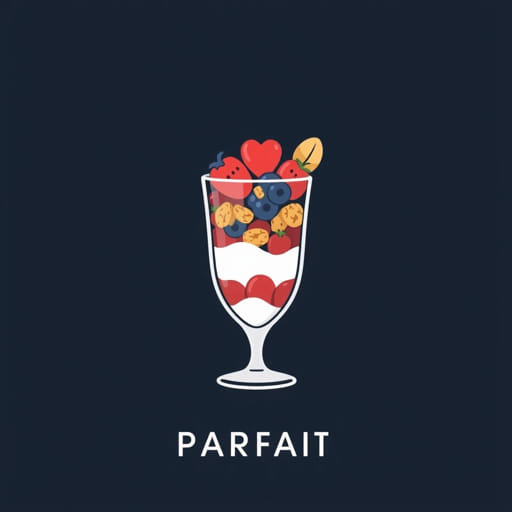
Parfait is a term that often appears in menus, recipes, and even casual conversations about desserts. For many, it immediately brings to mind an elegant and delicious layered treat served in a glass. However, the meaning of parfait goes beyond just a dessert; it carries historical and cultural significance, has variations across countries, and is associated with different contexts. Understanding what parfait really means requires looking at its origins, types, and how it has evolved in modern culinary settings.
Origin and Definition of Parfait
The word ‘parfait’ comes from French, where it literally means ‘perfect.’ In France, a parfait originally referred to a frozen dessert made from sugar syrup, egg yolks, and cream. This mixture was beaten until it became airy and light, then frozen without the need for churning like traditional ice cream. It was considered ‘perfect’ due to its smooth texture and luxurious taste.
In English-speaking countries, particularly in the United States, the meaning of parfait has shifted. Here, the term often refers to a dessert that is layered in a tall glass. It commonly includes ingredients such as yogurt, granola, whipped cream, custard, fruits, or even ice cream. The layers are arranged for both visual appeal and a combination of textures and flavors.
Different Types of Parfaits
French Parfait
In traditional French cuisine, a parfait is more like a frozen mousse. It is rich, dense, and often served in slices rather than in a glass. French parfaits are usually flavored with ingredients like coffee, chocolate, or fruit purées. Because of its creamy texture and refined flavor, it is often reserved for special occasions or fine dining settings.
American Parfait
The American version of parfait is far more accessible and commonly found in cafes, diners, and even fast-food restaurants. The typical American parfait includes layers such as:
- Yogurt or ice cream
- Fresh fruits like strawberries, blueberries, or bananas
- Granola or crushed cookies
- Whipped cream or syrup
This version is often consumed as a breakfast option, snack, or dessert, depending on the ingredients used.
Japanese Parfait
In Japan, the parfait has taken on a more elaborate form. Japanese parfaits are usually served in tall glasses and can include a wide range of ingredients such as green tea ice cream, mochi, cornflakes, jelly cubes, sweet beans, and custard. The presentation is often intricate, turning the dessert into a visually artistic experience.
Parfait Beyond the Dessert World
While most people associate the term parfait with a food item, it can also appear in non-culinary contexts. In English, the word parfait isn’t commonly used beyond food, but in French, the root word ‘parfait’ still means perfect and can be used to describe something ideal, flawless, or complete. For example, in French conversation, you might hear someone say, C’est parfait! which translates to That’s perfect!
Nutritional Aspects of Parfaits
The health value of a parfait can vary greatly depending on its ingredients. A parfait made with low-fat yogurt, fresh fruits, and nuts can be a nutritious and wholesome meal or snack. It provides protein, vitamins, fiber, and healthy fats. However, parfaits that include ice cream, sugary syrups, and whipped cream tend to be high in calories, sugar, and fat, making them a more indulgent option rather than a healthy one.
When making a parfait at home, people often aim to find a balance between health and taste. Substituting ingredients like flavored yogurt with plain Greek yogurt or using natural sweeteners like honey instead of syrup can help create a more balanced version of the dish.
How to Use Parfait in Everyday English
Although ‘parfait’ is most often used in relation to desserts, it’s useful to know how the word can be used in everyday English, especially when discussing food. For instance:
- ‘I had a fruit and yogurt parfait for breakfast this morning.’
- ‘The café makes a delicious chocolate parfait that’s perfect for dessert.’
- ‘I prefer a light parfait over a heavy cake after dinner.’
In casual conversation, especially in culinary settings, the word adds a touch of sophistication and specificity. It’s also widely recognized in food culture and advertising, where products labeled as parfait often signal a layered, visually attractive dessert.
Why Parfaits Are Popular
There are several reasons why parfaits continue to be a popular choice worldwide:
- Versatility: Parfaits can be customized to suit dietary preferences, from vegan to high-protein versions.
- Aesthetic Appeal: The layered presentation makes it visually satisfying and perfect for social media photos.
- Convenience: Easy to prepare and portable, parfaits are a go-to option for busy lifestyles.
- Balanced Flavor: Combining creamy, crunchy, and juicy textures creates a well-rounded eating experience.
Its popularity is further supported by the increasing demand for quick and healthy meals that don’t compromise on flavor or appearance.
Making a Simple Parfait at Home
Basic Yogurt Parfait Recipe
To experience the meaning of parfait firsthand, you can make a simple version at home with just a few ingredients:
- 1 cup Greek yogurt
- 1/2 cup granola
- 1/2 cup mixed berries (blueberries, strawberries, raspberries)
- 1 tablespoon honey (optional)
Instructions:
- Place a spoonful of yogurt at the bottom of a glass.
- Add a layer of granola on top.
- Add a layer of mixed berries.
- Repeat the layers until the glass is full.
- Drizzle with honey if desired and serve immediately.
This basic recipe is a great starting point and can be adapted with other fruits, seeds, nuts, or even chocolate chips for variety.
The meaning of parfait goes far beyond its simple definition as a dessert. It encompasses a rich culinary tradition, cross-cultural interpretations, and modern adaptations that suit a variety of tastes and health goals. Whether you’re savoring a French frozen parfait or enjoying a nutritious breakfast parfait with yogurt and fruit, this dish continues to live up to its name: perfect. By understanding the meaning of parfait, you not only gain insight into a beloved dessert but also open the door to creative and enjoyable eating experiences.