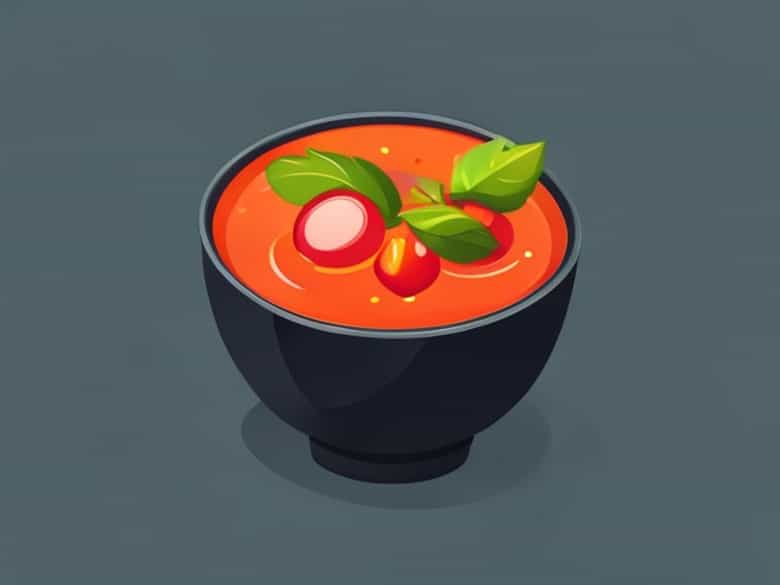
Gazpacho is a traditional Spanish dish that has gained popularity around the world for its refreshing taste and healthy ingredients. It is a cold soup typically made from fresh vegetables such as tomatoes, cucumbers, bell peppers, onions, and garlic, blended together with olive oil, vinegar, and sometimes bread to create a smooth or slightly chunky texture. Originating in the southern region of Andalusia, gazpacho has become a symbol of Mediterranean cuisine, celebrated for its simplicity, flavor, and nutritional benefits. Understanding the meaning of gazpacho involves exploring its history, preparation, variations, cultural significance, and health benefits, which highlight its enduring appeal in both traditional and modern culinary contexts.
Definition of Gazpacho
Gazpacho is a cold vegetable soup that is most commonly associated with Spanish cuisine. The word refers not only to the dish itself but also to the style of preparation, which emphasizes raw, blended ingredients, chilled before serving. Unlike hot soups that are cooked, gazpacho relies on fresh, seasonal vegetables, making it a particularly refreshing choice during warm weather. Traditionally, gazpacho is served as an appetizer or a light meal, often accompanied by crusty bread or garnishes such as chopped vegetables, hard-boiled eggs, or ham.
Origin of the Word
The term gazpacho likely comes from the Andalusian region of southern Spain. Its etymology is debated, but some scholars suggest it may derive from the Arabic word kasaba, meaning stalk or gruel, reflecting the influence of Moorish cuisine on Spanish culinary traditions. Historically, gazpacho was a simple peasant dish, designed to provide nourishment and refreshment using locally available ingredients such as stale bread, garlic, olive oil, and vinegar. Over time, it evolved into a sophisticated and celebrated dish in Spanish culture.
Ingredients and Preparation
Gazpacho is characterized by its use of fresh, raw ingredients and minimal cooking. The combination of vegetables, seasonings, and sometimes bread gives it a unique flavor profile that balances acidity, sweetness, and freshness.
1. Core Ingredients
The essential components of traditional gazpacho include
- Tomatoes – ripe and juicy, forming the base of the soup
- Cucumbers – peeled and chopped for freshness and crunch
- Bell peppers – usually red or green for sweetness and color
- Onions and garlic – adding depth of flavor and aroma
- Olive oil – providing richness and smooth texture
- Vinegar – typically sherry vinegar, giving a mild tanginess
- Bread – sometimes added to thicken the soup, soaked in water or broth
- Salt and pepper – for seasoning and enhancing flavors
2. Preparation Techniques
Making gazpacho typically involves washing, peeling, and chopping the vegetables, then blending them with olive oil, vinegar, and seasonings until smooth. Some recipes call for a food processor or blender, while traditional methods may use a mortar and pestle. After blending, the soup is chilled in the refrigerator for several hours to enhance its refreshing qualities. Garnishes can be added just before serving, including diced vegetables, croutons, or a drizzle of olive oil.
Variations of Gazpacho
While traditional Andalusian gazpacho is tomato-based, there are numerous regional and modern variations that incorporate different ingredients and textures.
1. Salmorejo
Salmorejo is a thicker, creamier version of gazpacho from Córdoba, Spain. It typically includes more bread and fewer vegetables, resulting in a velvety texture. It is often garnished with chopped hard-boiled eggs and serrano ham.
2. White Gazpacho (Ajo Blanco)
Ajo blanco is a white variation made primarily with almonds, garlic, bread, water, and olive oil. This version is nutty, smooth, and slightly sweet, usually served with grapes or melon for contrast.
3. Modern Twists
Contemporary chefs and home cooks have experimented with gazpacho by adding fruits such as watermelon or strawberries, herbs like basil or cilantro, or even seafood elements. These adaptations maintain the core characteristics of freshness and cold serving while introducing new flavors.
Cultural Significance
Gazpacho is more than just a dish; it represents Mediterranean traditions, seasonal cooking, and communal dining. It reflects the Andalusian climate and lifestyle, where hot summers made cold, refreshing foods particularly desirable. Festivals and competitions celebrating gazpacho are common in Spain, highlighting its cultural importance.
1. Regional Pride
In Andalusia, gazpacho is a source of regional pride, served in homes, restaurants, and community events. Each family may have its own recipe, passed down through generations, emphasizing local ingredients and personal touches.
2. Mediterranean Cuisine
As a staple of Mediterranean cuisine, gazpacho embodies the diet’s focus on vegetables, olive oil, and fresh flavors. It aligns with health-conscious eating habits and emphasizes balance, moderation, and natural ingredients.
Health Benefits of Gazpacho
Gazpacho is not only flavorful but also highly nutritious, offering numerous health benefits
1. Rich in Vitamins and Minerals
Tomatoes, cucumbers, and bell peppers provide vitamins A, C, and K, as well as potassium, folate, and antioxidants. These nutrients support immune function, skin health, and overall wellness.
2. Low-Calorie and Hydrating
Since gazpacho is primarily composed of water-rich vegetables and served cold, it is low in calories and helps maintain hydration, especially during hot weather.
3. Heart-Healthy
The inclusion of olive oil provides monounsaturated fats, which are beneficial for heart health and may reduce inflammation and cholesterol levels.
Synonyms and Related Terms
Although gazpacho is a specific dish, it can be related to other terms in culinary contexts
- Cold soup – a general term for soups served chilled
- Vegetable puree – a blended mixture of vegetables
- Andalusian soup – regional term highlighting the dish’s origin
- Raw soup – emphasizing the use of uncooked ingredients
Examples of Gazpacho in Daily Life
Gazpacho is commonly served in homes, restaurants, and cultural events. Examples include
- At a summer lunch, We enjoyed a refreshing bowl of gazpacho topped with diced cucumber and a drizzle of olive oil.
- In culinary classes, Students learned to make traditional Andalusian gazpacho using fresh tomatoes and peppers.li>
- At a food festival, The gazpacho contest showcased creative variations with fruits and herbs.li>
Gazpacho is a cold Spanish soup made from fresh vegetables, olive oil, vinegar, and sometimes bread, originating from Andalusia. Its meaning extends beyond a simple dish to encompass cultural heritage, Mediterranean dietary principles, and culinary creativity. With numerous variations such as salmorejo and ajo blanco, gazpacho demonstrates versatility while maintaining its core characteristics of freshness and chill. Rich in vitamins, low in calories, and heart-healthy, it remains a beloved choice for both traditional meals and modern cuisine. Understanding the meaning, preparation, and cultural significance of gazpacho allows for a deeper appreciation of this iconic Mediterranean dish and its role in both nutrition and culinary art.