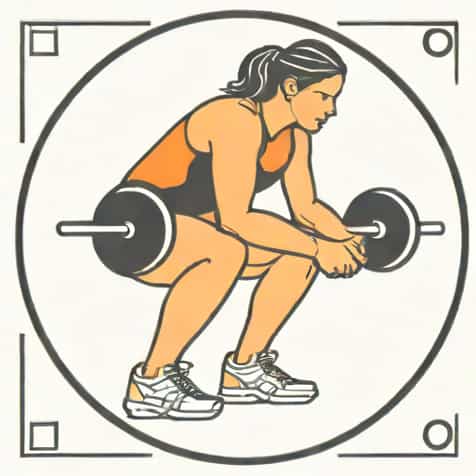
Squatting exercise is one of the most well-known and effective movements in fitness. It is a natural human motion that involves bending the knees and lowering the body before standing up again. This exercise targets major muscles in the legs, hips, and core, while also improving balance, posture, and overall strength. Many trainers consider squats to be a fundamental part of both strength training and functional workouts because they mimic everyday movements such as sitting, lifting, and standing. By understanding how squatting works, its benefits, and the right techniques, anyone can incorporate it into their fitness routine safely and effectively.
Understanding Squatting Exercise
A squatting exercise is essentially a movement where the body lowers into a sitting-like position before returning to a standing position. While simple in appearance, it requires coordination, flexibility, and proper form to perform correctly. Squats can be done using just body weight or with added resistance such as dumbbells, kettlebells, or a barbell. This versatility makes the squat suitable for beginners and advanced athletes alike.
Muscles Targeted by Squats
The squat is considered a compound exercise, meaning it works multiple muscle groups at the same time. Some of the primary muscles activated include
- QuadricepsThe muscles in the front of the thighs that extend the knees.
- Gluteus maximusThe largest muscle in the buttocks responsible for hip extension.
- HamstringsThe muscles in the back of the thighs that aid in hip movement.
- CalvesSupporting muscles that stabilize the lower legs.
- Core musclesIncluding the abdominals and lower back, which maintain balance and posture during the movement.
Because it engages so many muscles, squatting exercise is highly efficient for building lower body strength and stability.
Types of Squatting Exercises
There are several variations of the squat, each designed to target specific muscles or adjust the level of difficulty. Some of the most common include
Bodyweight Squat
The basic form of squatting that uses only the body’s weight. It is suitable for beginners and serves as the foundation for other variations.
Goblet Squat
Performed by holding a dumbbell or kettlebell close to the chest, this squat adds resistance while encouraging proper posture and balance.
Barbell Back Squat
One of the most popular strength-training exercises where a barbell is placed on the upper back. It allows heavier loads but requires proper technique to prevent injury.
Front Squat
The barbell is held across the front shoulders, shifting the emphasis to the quadriceps and core. This variation demands more balance and flexibility.
Sumo Squat
With a wider stance and toes pointed outward, this squat targets the inner thighs and glutes more intensely.
Overhead Squat
A challenging version where the barbell is held overhead during the squat, engaging the shoulders, arms, and core in addition to the legs.
Benefits of Squatting Exercise
Including squats in a workout routine provides a wide range of physical and functional benefits.
- Strength developmentSquats build powerful leg muscles essential for running, jumping, and lifting.
- Improved mobilityRegular practice enhances hip and ankle flexibility, reducing stiffness.
- Functional fitnessSquats replicate natural movements, making everyday activities easier and safer.
- Increased calorie burnBecause multiple muscles are engaged, squats are effective for burning calories and supporting weight management.
- Better postureStrengthening the core and back muscles helps improve spinal alignment.
- Bone healthWeight-bearing squats stimulate bone density, which is important for preventing osteoporosis.
Correct Form and Technique
To maximize the benefits of squats and reduce the risk of injury, correct technique is essential. A safe and effective squat includes the following steps
- Stand with feet shoulder-width apart and toes slightly pointed outward.
- Keep the chest lifted and spine neutral throughout the movement.
- Lower the hips as if sitting back into a chair, keeping knees aligned with toes.
- Descend until thighs are parallel to the ground or as low as flexibility allows.
- Push through the heels to return to a standing position.
It is important to avoid common mistakes such as letting the knees collapse inward, rounding the back, or lifting the heels off the floor.
Safety Considerations
Although squats are highly beneficial, improper technique or excessive load can lead to injury. Some safety tips include
- Start with bodyweight squats before progressing to weighted variations.
- Warm up the muscles with light activity before performing squats.
- Maintain controlled movements rather than rushing through repetitions.
- Use a spotter or safety rack when attempting heavy barbell squats.
- Listen to the body and avoid pushing through sharp pain.
Who Can Benefit from Squats?
Squatting exercise is suitable for a wide range of people, from beginners to athletes. Young individuals can build strength and coordination, while older adults can use squats to maintain mobility and independence. Athletes benefit from increased power and endurance, while fitness enthusiasts gain muscle tone and functional strength. Modifications are always available to match different fitness levels and goals.
Incorporating Squats into a Workout Routine
Squats can be performed as part of a warm-up, strength workout, or full-body conditioning session. They can be included in various training styles, such as
- Strength trainingPerformed with heavier weights and fewer repetitions.
- Endurance trainingUsing lighter resistance with higher repetitions.
- HIIT workoutsSquats combined with other exercises for intense calorie burning.
- RehabilitationModified squats with reduced range of motion for injury recovery.
Common Myths About Squatting
Despite their popularity, squats are surrounded by myths. Some people believe squats are bad for the knees, but research shows that with proper form, they actually strengthen knee joints. Another misconception is that squats are only for athletes or bodybuilders, when in reality they benefit anyone seeking better health and strength. Squats are also sometimes misunderstood as only a leg exercise, while in fact, they engage the core, back, and even the upper body in certain variations.
Squatting exercise is more than just a gym movement; it is a powerful way to build strength, mobility, and functional fitness. By working multiple muscle groups, squats support everyday activities, improve balance, and enhance athletic performance. With numerous variations available, anyone can adapt squats to their level and goals. Practicing proper form and respecting body limits ensures safe progress and long-term benefits. As one of the most effective exercises in fitness, squats remain a cornerstone of training routines for people of all ages and abilities.