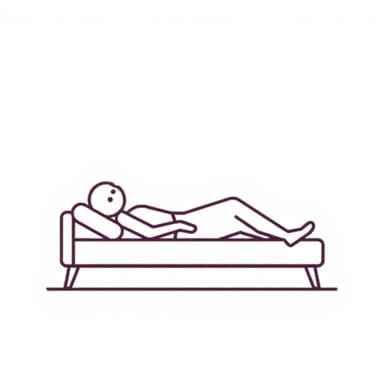
In healthcare, proper patient positioning is crucial for comfort, safety, and effective medical care. One of the commonly used positions is the semi-recumbent position, which provides both relaxation and therapeutic benefits for patients. This position is widely utilized in hospitals, nursing care, and home healthcare settings to assist with breathing, digestion, and prevention of certain complications. Understanding the semi-recumbent position, its proper application, advantages, and considerations is essential for caregivers and healthcare professionals.
Definition of Semi-Recumbent Position
The semi-recumbent position refers to a posture in which a patient lies on their back with the head and torso elevated at an angle, typically between 30 to 45 degrees. Unlike the fully upright sitting position, the semi-recumbent position allows the patient to remain partially reclined while promoting optimal comfort and physiological benefits. This position is often used for patients who are unable to sit fully upright due to illness, surgery, or mobility limitations.
How to Position a Patient Semi-Recumbently
Proper positioning is key to ensuring the effectiveness and safety of the semi-recumbent position. The following steps can help caregivers achieve the correct posture
- Begin by placing the patient on a flat surface, such as a hospital bed or reclining chair.
- Raise the head of the bed or adjust the backrest to achieve a 30 to 45-degree incline.
- Support the patient’s head and neck with pillows or a headrest to maintain alignment and prevent strain.
- Position pillows under the knees or legs if necessary to relieve pressure on the lower back.
- Ensure the patient’s arms are comfortably placed, either by their sides or on armrests.
Equipment for Semi-Recumbent Position
Specialized hospital beds, adjustable chairs, and wedge pillows can facilitate proper semi-recumbent positioning. These tools allow caregivers to modify the angle of inclination and provide additional support where needed. Using proper equipment not only enhances patient comfort but also reduces the risk of complications such as pressure ulcers and respiratory difficulties.
Benefits of Semi-Recumbent Position
The semi-recumbent position offers numerous benefits for patients, especially those who are hospitalized or have limited mobility. These benefits include improved respiratory function, reduced risk of aspiration, and enhanced comfort during meals and procedures.
Respiratory Benefits
Elevating the head and torso in a semi-recumbent position allows the lungs to expand more fully, which improves oxygen intake and reduces the risk of respiratory complications. This position is particularly helpful for patients with chronic obstructive pulmonary disease (COPD), pneumonia, or other breathing difficulties.
Prevention of Aspiration
Aspiration occurs when food, liquid, or gastric contents enter the lungs, leading to potential infections such as pneumonia. The semi-recumbent position reduces the risk of aspiration by keeping the upper body elevated, making it safer for patients during feeding or when receiving medications orally.
Digestive and Gastrointestinal Benefits
A semi-recumbent position can aid digestion and reduce discomfort after meals. By maintaining an elevated torso, gastric contents are less likely to reflux into the esophagus, minimizing heartburn or indigestion. This position is often recommended for patients with gastroesophageal reflux disease (GERD) or those recovering from abdominal surgery.
Applications in Healthcare
The semi-recumbent position is commonly used in various healthcare settings and situations to enhance patient safety and treatment outcomes.
Hospital and Nursing Care
In hospitals, the semi-recumbent position is frequently used for patients receiving respiratory therapy, intravenous therapy, or post-surgical care. Nurses and caregivers use this position to monitor patients more easily while ensuring comfort and reducing the risk of complications.
Home Healthcare
For patients receiving care at home, the semi-recumbent position can be maintained using adjustable beds or reclining chairs. Caregivers are advised to ensure proper support and alignment to prevent musculoskeletal strain and pressure injuries. This position also allows patients to eat, read, or watch television comfortably without lying completely flat.
Procedural and Therapeutic Use
The semi-recumbent position is also employed during certain medical procedures, such as blood pressure measurement, minor surgeries, and physical examinations. Additionally, respiratory therapists may use this position to optimize oxygen delivery or assist with breathing exercises.
Considerations and Precautions
While the semi-recumbent position offers multiple benefits, it is important to consider certain precautions to ensure safety and effectiveness.
- Ensure the angle of inclination is appropriate; too steep an angle may cause discomfort or stress on the lower back.
- Support the patient’s head, neck, and lower back to maintain proper alignment.
- Monitor patients for signs of pressure on bony areas, which could lead to pressure ulcers over time.
- Adjust the position gradually, especially for elderly patients or those with cardiovascular issues, to prevent dizziness or hypotension.
- Reposition patients periodically to avoid stiffness, muscle strain, and circulation problems.
The semi-recumbent position is a versatile and beneficial posture widely used in healthcare to enhance patient comfort, promote respiratory and digestive health, and prevent complications such as aspiration and pressure sores. By understanding its proper application, benefits, and precautions, caregivers and healthcare professionals can optimize patient care and improve outcomes. Whether in hospital settings or home healthcare, the semi-recumbent position plays a crucial role in supporting patient well-being, safety, and recovery while ensuring comfort and therapeutic efficiency.