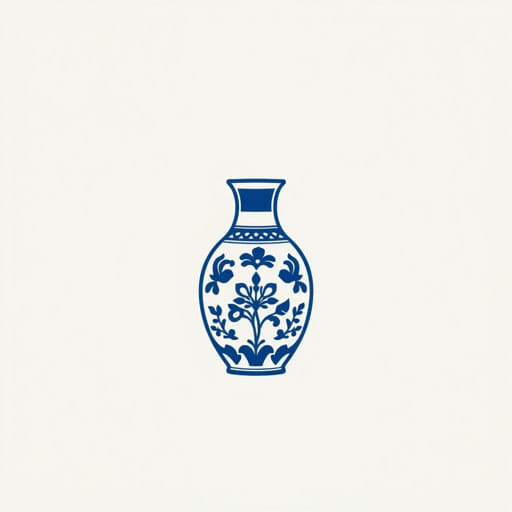
Recognized for its distinctive blue and white designs, Delftware pottery holds a special place in the world of ceramics. This iconic form of earthenware originated in the Netherlands and became a symbol of cultural identity and artistic craftsmanship. Delftware is admired by collectors and historians alike for its beauty, detail, and rich history. Whether displayed on a mantelpiece or preserved in museums, Delft pottery continues to fascinate art lovers around the globe with its unique aesthetic and enduring legacy.
The Origins of Delftware
From Imitation to Innovation
Delftware pottery emerged in the 17th century in the Dutch city of Delft. Inspired by Chinese porcelain, which was highly prized in Europe at the time, Dutch artisans began producing their own version using locally available materials. Since true porcelain required kaolin, a material not readily found in Europe, potters developed a tin-glazed earthenware alternative that could mimic the appearance of Chinese imports.
This new form of pottery was both beautiful and accessible. Over time, Dutch potters moved from imitation to innovation, incorporating their own artistic traditions and developing a distinct European style that became known as Delftware or Delft Blue.
The Rise of Delft as a Pottery Hub
By the mid-1600s, Delft had become the leading center of tin-glazed pottery in the Netherlands. At its height, the city boasted over 30 pottery factories. These workshops produced a wide range of ceramics, including plates, tiles, vases, and decorative figurines. The success of Delftware was largely due to the city’s access to international trade routes, skilled craftsmen, and growing demand from European nobility and merchants.
Characteristics of Delftware Pottery
Material and Technique
Delftware is typically made from earthenware, a type of ceramic that is fired at lower temperatures than porcelain or stoneware. The key feature is the tin glaze a white, opaque coating that creates a smooth surface suitable for detailed decoration. This glaze was applied to the pottery before artists hand-painted designs using metal oxides, most famously cobalt oxide for blue patterns.
After painting, the pieces were fired again in a kiln, sealing the glaze and colors permanently. The resulting pottery had a glossy, bright finish that highlighted the intricacy of the hand-painted motifs.
Classic Blue and White Designs
The most iconic Delftware pieces are those decorated in blue on a white background. These designs often feature:
- Floral patterns such as tulips and roses
- Landscapes with windmills and canals
- Scenes of Dutch daily life
- Oriental-inspired motifs and dragons
- Biblical and mythological imagery
While blue and white remains the most recognized color scheme, some Delftware was also made with polychrome decoration, using red, yellow, and green pigments for a more colorful appearance.
Types of Delftware Items
Functional and Decorative Pieces
Delftware was produced for both practical use and decoration. Functional items included:
- Plates and dishes
- Pitchers and jugs
- Tiles for walls and fireplaces
- Apothecary jars
Decorative items ranged from ornamental vases to intricately designed figurines and wall plaques. One popular type of decorative Delftware is the tulipiere a vase specifically designed to hold multiple tulip stems, reflecting the Dutch obsession with tulips during the so-called Tulip Mania.
Delftware vs. Chinese Porcelain
Key Differences
While Delftware was originally inspired by Chinese porcelain, several key differences set them apart:
- Material: Delftware is made from earthenware and tin glaze, while porcelain is made from kaolin and fired at higher temperatures.
- Weight: Delft pottery tends to be heavier and thicker than delicate porcelain.
- Surface: Delft glaze has a soft, creamy appearance, while porcelain is more translucent and glassy.
Despite these differences, Delftware captured the European market with its charm and affordability, becoming a highly sought-after product in its own right.
The Decline and Revival of Delftware
18th and 19th Century Changes
As the 18th century progressed, the popularity of Delftware began to decline. The importation of real Chinese porcelain resumed, and new European porcelain factories in Germany, France, and England offered attractive alternatives. Many Delft potteries closed, and only a few remained in operation.
20th Century Renaissance
Interest in Delftware experienced a revival in the 20th century as collectors and historians began to appreciate its artistic and cultural value. Museums began showcasing antique pieces, and new generations of potters sought to preserve the craft. Today, original Delftware is highly prized in auctions and antique markets, while contemporary Delft-style ceramics continue to be made for both tourists and art lovers.
Collecting and Identifying Delftware
Recognizing Authentic Delftware
Collectors of Delft pottery often look for specific markers that indicate authenticity. These include:
- Factory marks or initials on the base
- Hand-painted details rather than printed patterns
- Certain signs of aging such as fine crazing or slight discoloration
Modern Delftware may also carry a certificate of authenticity from recognized manufacturers such as Royal Delft (De Porceleyne Fles), which has been producing Delft pottery since 1653.
Tips for Collectors
If you are interested in collecting Delftware pottery, consider the following tips:
- Start with smaller items like tiles or plates before investing in rare vases or figurines
- Purchase from reputable dealers or auction houses
- Learn about different factory marks and historical periods
- Inspect for damage, restoration, or fading
The Cultural Significance of Delftware
A Dutch National Icon
Delftware has become a symbol of Dutch heritage, appearing in everything from souvenirs to fashion. It reflects the country’s history, trade, and artistic innovation. Today, Delft pottery is featured in cultural institutions, including the Rijksmuseum in Amsterdam and the Royal Delft Museum in Delft.
Modern Interpretations
Contemporary artists and designers continue to experiment with Delftware motifs, incorporating them into new forms of art and home decor. These modern interpretations honor the tradition while pushing boundaries, showing how timeless the allure of Delft blue remains.
Delftware pottery is more than just decorative ceramic it is a product of centuries of artistry, cultural exchange, and innovation. From its beginnings as an imitation of Chinese porcelain to its development into a distinctly Dutch art form, Delftware has captivated the world with its charm and craftsmanship. Whether you’re an art historian, a casual admirer, or an avid collector, understanding the beauty and history behind Delftware pottery opens a window into a rich and enduring artistic tradition.