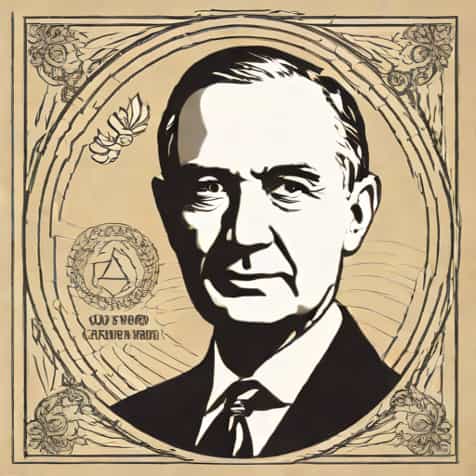
Calvin Coolidge, the 30th President of the United States, remains a significant figure in American history due to his distinctive leadership style, economic policies, and reputation for integrity. Serving from 1923 to 1929, Coolidge became known for his quiet demeanor, earning him the nickname Silent Cal, yet his presidency was marked by notable achievements and a firm commitment to conservative principles. He navigated the country through a period of economic growth while emphasizing limited government intervention, fiscal responsibility, and the promotion of American business interests. Understanding what Coolidge is known for requires examining his personal character, political philosophy, key decisions, and lasting influence on the United States.
Early Life and Political Rise
Born on July 4, 1872, in Plymouth Notch, Vermont, Calvin Coolidge grew up in a modest New England family. His early life instilled in him values of hard work, frugality, and personal responsibility, which later shaped his political philosophy. Coolidge pursued law and entered politics in Massachusetts, serving as city councilor, state legislator, mayor of Northampton, and eventually governor. His reputation for honesty, diligence, and effective governance propelled him to national prominence and positioned him as a respected figure in the Republican Party.
Coolidge’s Personality and Leadership Style
Calvin Coolidge is widely remembered for his reserved and understated personality. Nicknamed Silent Cal, he was known for speaking sparingly yet meaningfully, often using concise language to convey his points. His calm demeanor and measured approach to governance contrasted with the more flamboyant politicians of his era. This personality trait contributed to his image as a man of integrity and principle, reinforcing public confidence in his leadership. His leadership style emphasized careful deliberation, fiscal prudence, and respect for the Constitution, which became hallmarks of his presidency.
Economic Policies and Achievements
One of the most notable aspects of Coolidge’s presidency was his focus on economic prosperity and conservative fiscal policy. Coolidge believed in limited government intervention in the economy and advocated for tax cuts, reduced federal spending, and support for business growth. During his administration, the United States experienced significant economic expansion, often referred to as the Roaring Twenties, characterized by industrial growth, rising consumer confidence, and technological innovation.
Key Economic Initiatives
- Tax ReductionCoolidge supported legislation that reduced income and corporate taxes, encouraging investment and economic growth.
- Budget ManagementHe emphasized frugality in government spending, advocating for balanced budgets and efficient federal operations.
- Business SupportCoolidge promoted policies that favored private enterprise, reducing regulatory burdens and fostering innovation.
- Pro-Business PhilosophyHe believed that economic prosperity depended on minimal government interference and a thriving private sector.
Foreign Policy and Domestic Governance
While Coolidge is primarily known for his domestic policies, he also played a role in foreign affairs and national governance. His administration sought to maintain peace and stability abroad while focusing on internal growth and development. He supported disarmament efforts, such as the Washington Naval Treaty, and encouraged international cooperation to prevent conflict. Domestically, Coolidge emphasized law and order, civil service reform, and the maintenance of constitutional principles.
Domestic Achievements
- Strengthened federal institutions through careful management and fiscal discipline.
- Promoted civil rights cautiously, with limited but notable attention to African American issues.
- Maintained a low-profile approach to social controversies, focusing on governance over politics.
- Enhanced public trust in government through his personal integrity and transparency.
Coolidge’s Legacy
Calvin Coolidge is remembered for several key aspects that define what he is known for historically. His commitment to small government, fiscal conservatism, and economic growth left a lasting impact on American politics. Historians often highlight his belief in limited federal involvement and his dedication to principles of honesty and integrity. Despite his quiet demeanor, his presidency influenced future leaders and shaped conservative economic thought in the United States. Coolidge also became a symbol of the virtues of self-discipline, prudence, and public service.
Long-Term Influence
- Promotion of conservative economic policies, influencing subsequent Republican administrations.
- Reinforcement of the idea that personal integrity is crucial in public office.
- Emphasis on limited government intervention as a guiding principle in American governance.
- Recognition as a figure representing calm, deliberate, and principled leadership.
Personal Life and Public Perception
Coolidge’s personal life also contributed to his public image. Married to Grace Coolidge, he maintained a stable and respected family life that reflected traditional American values. His simple lifestyle and adherence to ethical conduct reinforced his reputation as a trustworthy and reliable leader. Public perception of Coolidge as Silent Cal underscored the contrast between his quiet, principled approach and the more sensational politics of the era. He demonstrated that effective leadership could be achieved through restraint, thoughtful decision-making, and respect for constitutional processes.
Calvin Coolidge is known for his distinctive leadership style, economic conservatism, and enduring influence on American politics. From his early life in Vermont to his presidency, Coolidge embodied principles of integrity, prudence, and fiscal responsibility. His administration oversaw economic prosperity during the 1920s, emphasized limited government intervention, and promoted private enterprise. Beyond policy, Coolidge’s personal character and public image as Silent Cal contributed to his lasting reputation as a principled and effective leader. Understanding what Coolidge is known for provides valuable insights into American history, governance, and the enduring impact of conservative thought in shaping national policies and leadership ideals.