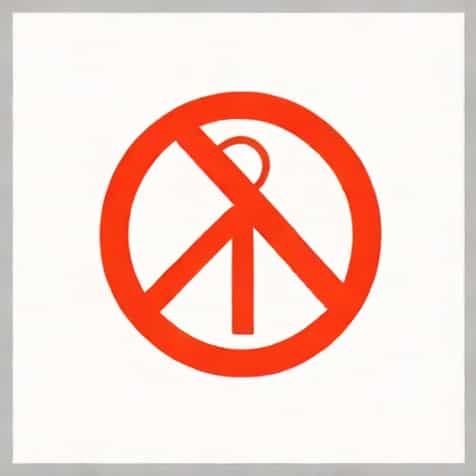
A prohibition sign is a visual symbol used to communicate rules, restrictions, or actions that are not allowed in a specific area. These signs are designed to catch attention quickly and convey an immediate message without relying on long explanations. Prohibition signs are a key element in public safety, workplace safety, traffic management, and various regulated environments. They help prevent accidents, ensure compliance with laws, and guide individuals in making safe and responsible decisions. Understanding what a prohibition sign is, its types, and its importance in daily life can enhance awareness and promote safety in different contexts.
Definition of a Prohibition Sign
A prohibition sign is a type of safety or regulatory sign that clearly indicates forbidden behaviors or actions. These signs typically use universal symbols, such as a red circle with a diagonal slash, to communicate that a particular activity is not permitted. The purpose of a prohibition sign is to prevent harmful actions, reduce risks, and ensure that rules are followed. By providing clear visual instructions, prohibition signs help individuals understand boundaries without confusion, which is especially important in diverse public spaces and workplaces.
Design and Characteristics
Prohibition signs are characterized by their distinctive design elements that make them easily recognizable. Common features include
- Red Circle and SlashA universal symbol for prohibition, usually a red circle with a diagonal line cutting through the symbol of the prohibited action.
- Simple IconsClear, easily understandable icons representing the action that is not allowed, such as smoking, drinking, or using mobile phones.
- High VisibilityBright colors and bold graphics are used to ensure that the sign is noticeable from a distance.
- Minimal TextSome signs include short text to clarify the restriction, but the emphasis is on visual representation.
Types of Prohibition Signs
Prohibition signs are used in a wide variety of environments, and they can be categorized based on their context and purpose. Some common types include
Traffic Prohibition Signs
Traffic prohibition signs are essential for road safety and regulation. They inform drivers and pedestrians of actions that are not allowed on the road. Examples include
- No Entry Indicates that vehicles are not allowed to enter a particular street or lane.
- No U-Turn Prohibits vehicles from making a U-turn at intersections or specific zones.
- No Parking Restricts parking in areas where stopping vehicles can cause congestion or danger.
- No Horn Indicates areas where honking is not permitted, such as near hospitals or schools.
Workplace Prohibition Signs
In workplaces, prohibition signs are crucial for safety and compliance with regulations. They help prevent accidents, injuries, and exposure to hazardous conditions. Examples include
- No Smoking Prevents smoking in areas where flammable materials are present or to maintain a smoke-free environment.
- No Open Flames Prohibits open flames in areas with combustible substances.
- No Unauthorized Access Restricts entry to areas where only trained or authorized personnel are allowed.
- No Mobile Phones Ensures that employees do not use mobile devices in dangerous or distraction-prone zones.
Public Area Prohibition Signs
Prohibition signs in public spaces serve to maintain order, safety, and cleanliness. They guide public behavior and prevent activities that can disrupt community spaces. Examples include
- No Littering Encourages proper disposal of waste and maintains cleanliness.
- No Dogs Allowed Restricts pets from certain areas, such as playgrounds or public parks.
- No Photography Prevents photography in sensitive areas, such as museums or restricted zones.
- No Skateboarding Prohibits skateboarding in areas that could be unsafe for riders and pedestrians.
Importance of Prohibition Signs
Prohibition signs play a vital role in promoting safety, order, and compliance. Their importance includes
- Preventing AccidentsBy clearly indicating forbidden actions, these signs reduce the likelihood of accidents and injuries in both public and private spaces.
- Ensuring Legal ComplianceProhibition signs help individuals follow laws, regulations, and organizational rules, minimizing legal risks.
- Promoting AwarenessSigns act as constant reminders, educating people about potential hazards and appropriate behavior.
- Enhancing EfficiencyBy controlling behavior, prohibition signs contribute to smoother operations in workplaces, traffic systems, and public areas.
- Universal UnderstandingThe visual nature of prohibition signs ensures that even people who cannot read the language can understand the restriction.
Legal and Regulatory Aspects
Many countries have regulations that mandate the use of prohibition signs in certain contexts. For example, traffic authorities enforce road signs to maintain safety, while occupational safety agencies require workplace signage to prevent accidents and comply with labor laws. Failure to display appropriate prohibition signs can lead to legal consequences, fines, or increased liability in case of accidents.
Design Principles for Effective Prohibition Signs
To be effective, prohibition signs must adhere to key design principles
- ClarityThe symbol and message must be easily understood at a glance.
- VisibilitySigns should be placed in locations where they are easily seen, even from a distance or in low-light conditions.
- ConsistencyUsing standardized symbols and colors ensures that the sign is universally recognized.
- DurabilitySigns should be made from materials that withstand environmental conditions such as rain, sunlight, and wind.
A prohibition sign is an essential tool for guiding behavior, maintaining safety, and enforcing rules across various settings, including roads, workplaces, and public areas. By using universal symbols and clear visuals, these signs communicate restrictions effectively, helping prevent accidents, ensure compliance, and promote order. Understanding the types, importance, and design principles of prohibition signs highlights their critical role in everyday life. Whether preventing hazards in a factory, regulating traffic flow, or preserving public spaces, prohibition signs serve as a simple yet powerful way to protect people, property, and the environment.