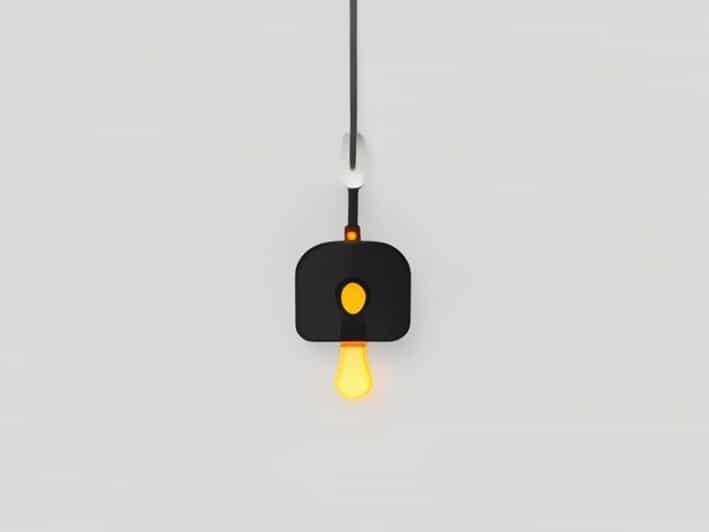
A plug-in pendant light is a versatile and convenient lighting solution that combines the elegance of a pendant fixture with the ease of plug-in functionality. Unlike traditional pendant lights that require hardwiring into the ceiling, plug-in pendants can be installed without professional electrical work. They come with a cord and plug that can be inserted into a standard outlet, making them ideal for renters, temporary setups, or anyone looking to add stylish lighting without major installation. These lights offer flexibility, aesthetic appeal, and functionality, making them a popular choice for modern homes and interior design projects.
Definition of a Plug-In Pendant Light
A plug-in pendant light is a hanging light fixture that is powered by a standard electrical outlet rather than being hardwired. It typically features a cord that runs from the ceiling or wall to an outlet, sometimes with an inline switch for easy control. The fixture can vary in size, shape, and style, ranging from minimalist modern designs to elaborate industrial or vintage-inspired models. Plug-in pendants provide task lighting, ambient lighting, or decorative illumination, depending on placement and bulb type.
Components of a Plug-In Pendant Light
- Light Shade or FixtureThe decorative element that houses the bulb and diffuses light.
- Electrical CordThe cord connects the fixture to a standard wall outlet.
- PlugA standard plug at the end of the cord allows easy insertion into an outlet.
- Ceiling or Wall MountSome plug-in pendants include hooks, brackets, or a canopy for secure hanging.
- Inline Switch (Optional)Provides convenient control without unplugging the cord.
Benefits of Using a Plug-In Pendant Light
Plug-in pendant lights offer multiple advantages over traditional hardwired options. They provide flexibility in placement, ease of installation, and the ability to change or move the fixture as needed. Additionally, they are often more affordable since they do not require professional installation and can reduce renovation or electrical costs. These lights are perfect for temporary living spaces, dorm rooms, or creative setups where hardwiring is impractical.
Key Benefits Include
- Easy InstallationNo need for electricians or complicated wiring; just plug into an outlet.
- FlexibilityCan be relocated or adjusted without rewiring.
- Cost-EffectiveSaves money on installation and potential ceiling modifications.
- Design VersatilityAvailable in various styles, materials, and sizes to match home decor.
- Rental-FriendlyIdeal for renters who cannot make permanent changes to the property.
Uses and Applications
Plug-in pendant lights can be used in a variety of spaces and for multiple purposes. They are not limited to any single room or function, making them versatile additions to modern interiors.
Common Uses
- KitchenPlaced over countertops, islands, or dining tables for task lighting.
- Living RoomUsed as ambient lighting or to highlight specific areas.
- BedroomHung above bedside tables for reading lights or decorative illumination.
- Home OfficeProvides focused task lighting for workspaces without additional wiring.
- Rental SpacesAllows tenants to add stylish lighting without permanent changes.
Decorative and Functional Options
Plug-in pendant lights come in a range of styles, from minimalist metal or glass shades to more decorative designs featuring woven materials, fabric shades, or industrial finishes. Some include adjustable cords, allowing users to change the height of the pendant for optimal lighting. Bulb type and color temperature can also be customized to achieve the desired ambiance, whether bright task lighting or soft, warm illumination.
Installation Tips for Plug-In Pendant Lights
Installing a plug-in pendant light is generally straightforward, but following some tips ensures safe and effective setup. Begin by choosing a location with a nearby outlet. If hanging from the ceiling, use hooks or brackets that can support the weight of the fixture. Adjust the cord length for proper positioning, and secure any excess cord neatly to avoid tangling or tripping hazards. An inline switch can be added for easy operation if the fixture does not have one built in.
Step-by-Step Installation
- Identify the desired hanging location and nearest outlet.
- Install a ceiling hook or wall bracket if needed.
- Adjust the cord to the preferred length.
- Attach the fixture to the hook or bracket securely.
- Plug the cord into the outlet and test the light.
- Use an inline switch if available to control the light conveniently.
Safety Considerations
While plug-in pendant lights are generally safe, certain precautions are important. Ensure that the fixture is properly supported and that cords are not pinched or frayed. Avoid overloading the outlet, and use bulbs that match the recommended wattage. For spaces with children or pets, secure cords and prevent dangling wires that could pose a tripping or electrical hazard.
Key Safety Tips
- Use ceiling hooks or brackets that support the fixture’s weight.
- Keep cords away from high-traffic areas to prevent tripping.
- Check for frayed wires or damaged plugs before use.
- Follow manufacturer guidelines for maximum bulb wattage.
- Secure cords neatly with clips or cord organizers if necessary.
A plug-in pendant light offers a combination of style, convenience, and functionality that traditional hardwired fixtures cannot match. Its ease of installation, flexibility, and wide range of design options make it an excellent choice for renters, temporary setups, or anyone looking to add attractive lighting without extensive electrical work. From kitchens and living rooms to bedrooms and home offices, plug-in pendants provide both ambient and task lighting, enhancing the decor and usability of any space. By following proper installation and safety guidelines, homeowners and renters can enjoy the aesthetic appeal and practical benefits of a plug-in pendant light for years to come.