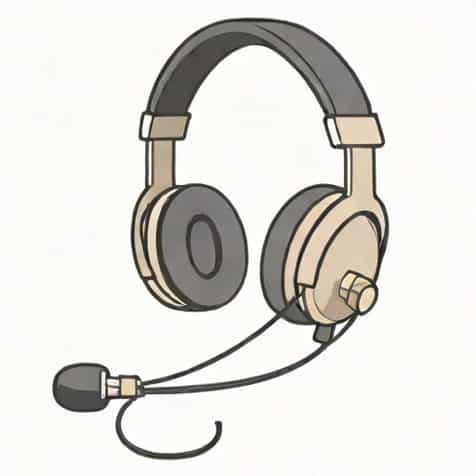
A monaural headset is an audio device designed to deliver sound to only one ear while leaving the other ear free to hear surrounding sounds. Unlike stereo headsets, which provide two separate audio channels, monaural headsets are primarily used in professional environments where communication and awareness of the surroundings are important. They are commonly employed in call centers, offices, radio broadcasting, and customer service environments, allowing the user to listen to audio or communicate hands-free without isolating themselves from external sounds. The design of monaural headsets is focused on comfort, clarity, and long-term wearability, making them ideal for extended use in work settings.
Understanding Monaural Headsets
Monaural headsets are specifically designed to transmit audio to a single ear, offering a balance between focused listening and environmental awareness. The term monaural refers to the single-channel audio delivery, which differs from stereo or binaural headsets that provide sound to both ears. These headsets are especially useful in situations where it is necessary to stay alert to surrounding conversations, office activities, or safety signals. By allowing one ear to remain free, users can multitask effectively while still maintaining clear communication and audio reception from the headset.
Components of a Monaural Headset
Most monaural headsets consist of several key components that contribute to their functionality and comfort
- Speaker/Ear CupDelivers sound directly to one ear, often padded for comfort during prolonged use.
- MicrophoneA built-in or adjustable microphone enables clear voice transmission, ideal for calls or online meetings.
- Headband or Ear HookSupports the headset on the head or around the ear, designed to provide stability and reduce fatigue.
- Connector or Wireless ModuleAllows the headset to interface with phones, computers, or communication devices, either through wired connections or wireless technology.
- ControlsSome models include inline controls for volume adjustment, mute functions, or call management.
Applications of Monaural Headsets
Monaural headsets are widely used in professional and everyday settings where communication efficiency and environmental awareness are crucial. Common applications include
- Call CentersCustomer service agents often use monaural headsets to maintain awareness of colleagues while handling calls efficiently.
- Office WorkProfessionals use them for virtual meetings or phone calls while remaining attentive to coworkers or office notifications.
- Broadcasting and MediaRadio hosts and commentators use monaural headsets to monitor audio and communicate without losing connection to live studio surroundings.
- GamingSome gamers prefer monaural headsets for strategic multiplayer games where hearing surrounding sounds or team communication is essential.
- Public Service RolesEmployees in security, logistics, or emergency response can communicate hands-free while staying alert to environmental cues.
Advantages of Monaural Headsets
Monaural headsets offer several benefits that make them suitable for professional and practical use
- Environmental AwarenessBy keeping one ear free, users can stay aware of surrounding activities, ensuring safety and situational awareness.
- Comfort for Extended UseLightweight designs and adjustable headbands reduce strain during long periods of wear.
- Improved CommunicationBuilt-in microphones provide clear voice transmission for professional conversations and online meetings.
- Hands-Free OperationAllows users to multitask, type, or handle equipment while engaging in audio communication.
- Reduced Ear FatigueListening with one ear can be less tiring compared to using a full stereo headset for long durations.
Types of Monaural Headsets
There are various types of monaural headsets tailored to different needs and environments
- Wired Monaural HeadsetsConnect directly to devices using a cable, offering reliable audio transmission and minimal latency.
- Wireless Monaural HeadsetsUse Bluetooth or radio frequency connections to provide freedom of movement and convenience.
- Over-the-Head ModelsFeature a headband for balanced support, often preferred in office or call center settings.
- Over-the-Ear or Ear Hook ModelsWrap around the ear for lighter, more portable use, commonly used in broadcasting or fieldwork.
- Noise-Canceling ModelsInclude microphones or ear designs that reduce background noise for clearer communication in busy environments.
Choosing the Right Monaural Headset
Selecting the appropriate monaural headset depends on factors such as usage environment, comfort, connectivity, and audio quality. Key considerations include
- Comfort and adjustability for prolonged use.
- Type of connection, whether wired or wireless, to suit mobility needs.
- Microphone quality for clear voice transmission.
- Compatibility with devices such as phones, computers, or professional audio systems.
- Additional features like noise-canceling, inline controls, or battery life for wireless models.
Maintenance and Care
Proper maintenance of a monaural headset can extend its lifespan and ensure consistent performance. Tips include
- Regularly cleaning ear pads, microphone, and headband to remove dirt and oils.
- Storing the headset in a safe, dry location to prevent damage or wear.
- Checking cables or wireless connections for signs of damage or interference.
- Updating firmware or software if the headset has digital features to maintain functionality.
- Replacing worn ear cushions or parts to maintain comfort and sound quality.
A monaural headset is a versatile audio device designed to deliver sound to a single ear while allowing the other ear to remain aware of the surroundings. Widely used in professional environments such as call centers, offices, broadcasting, and public service roles, monaural headsets provide comfort, clear communication, and hands-free operation. They come in various types, including wired, wireless, over-the-head, and ear-hook models, often featuring noise-canceling and other enhancements. Choosing the right monaural headset involves considering comfort, connectivity, audio quality, and specific user needs. Proper care and maintenance ensure that the headset delivers consistent performance over time, making it an essential tool for both professional and personal audio communication.