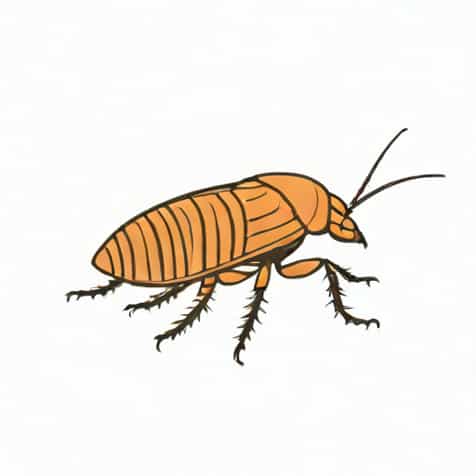
The German cockroach is one of the most common and persistent household pests in the world, notorious for its rapid reproduction and ability to thrive in human environments. Small, light brown in color, and equipped with distinctive parallel stripes on its back, the German cockroach has adapted exceptionally well to indoor living. Unlike other cockroach species that may prefer outdoor habitats, German cockroaches are almost exclusively indoor dwellers, often infesting kitchens, bathrooms, and areas where food and moisture are readily available. Their presence is not just a nuisance; they pose significant health risks, as they can contaminate food, spread bacteria, and trigger allergic reactions or asthma in sensitive individuals.
Identification and Physical Characteristics
Recognizing a German cockroach is crucial for effective pest control. Adult German cockroaches typically measure between 1.1 and 1.6 centimeters in length. Their coloration ranges from light brown to tan, and they have two dark, nearly parallel stripes running longitudinally from the head to the base of the wings. Despite having wings, German cockroaches rarely fly; they rely primarily on running to escape threats. Nymphs, or immature cockroaches, are smaller, darker, and wingless, making them harder to detect. Both adults and nymphs hide in small, dark crevices during the day, emerging mainly at night to search for food and water.
Habitat and Behavior
German cockroaches are highly adaptable and prefer warm, humid environments. They are often found in kitchens, behind appliances, under sinks, inside cabinets, and near plumbing fixtures. Their nocturnal behavior means they are most active during the night, feeding on crumbs, food residues, grease, and even non-food items like soap or glue. German cockroaches are social insects, often clustering in groups, which makes infestations spread quickly once they gain a foothold in a home or commercial establishment.
Reproduction and Life Cycle
One of the reasons German cockroaches are so difficult to control is their rapid reproductive cycle. A single female can produce hundreds of offspring in her lifetime. Females carry an egg case, known as an ootheca, containing up to 40 eggs, which hatch within a few weeks depending on environmental conditions. Nymphs undergo multiple molts before reaching adulthood, typically within two months under optimal conditions. This fast reproduction, combined with their ability to hide in tiny crevices, allows infestations to grow exponentially if not addressed promptly.
Health Risks Associated with German Cockroaches
German cockroaches pose significant health hazards. They are known carriers of pathogens that can contaminate food and surfaces, including Salmonella, E. coli, and various parasitic worms. Exposure to cockroach feces, saliva, and shed body parts can trigger allergic reactions and asthma attacks, particularly in children and sensitive individuals. Their nocturnal feeding habits increase the likelihood of contaminating kitchen surfaces and stored food, making them a serious concern for both residential and commercial settings.
Signs of Infestation
Early detection is key to controlling a German cockroach infestation. Common signs include
- Seeing live cockroaches, particularly at night.
- Finding shed skins or eggs in dark corners, behind appliances, or inside cabinets.
- Noticing droppings that resemble small black specks or coffee grounds.
- Observing a musty, oily odor in areas of heavy infestation.
- Discovering smudge marks along walls or baseboards where cockroaches travel.
Prevention and Control Measures
Effective management of German cockroaches requires a combination of sanitation, exclusion, and, if necessary, chemical treatments. Key prevention strategies include
- Keeping kitchens and bathrooms clean, free of crumbs, spills, and food residues.
- Sealing cracks, crevices, and gaps around cabinets, plumbing, and walls to prevent access.
- Storing food in airtight containers and removing garbage regularly.
- Maintaining dry environments by fixing leaks and reducing humidity in problem areas.
- Using traps or baits specifically designed for German cockroaches to monitor and reduce populations.
Professional Pest Control
In cases of severe infestations, professional pest control services may be necessary. Experts use targeted treatments, including gel baits, insect growth regulators, and strategic pesticide applications to eliminate populations. Integrated pest management (IPM) approaches are often recommended, combining chemical and non-chemical methods to achieve long-term control while minimizing health risks to humans and pets. Timely intervention is crucial because German cockroach populations can grow exponentially if left unchecked.
Challenges in Eradicating German Cockroaches
German cockroaches are notoriously resilient. Their small size allows them to hide in areas that are difficult to reach, and their reproductive rate ensures rapid population recovery after partial eradication. Resistance to common insecticides has been documented in some populations, making careful selection of control methods essential. Persistent monitoring, repeated treatments, and consistent hygiene practices are often required to fully eliminate an infestation.
The German cockroach is a highly adaptable and persistent pest that poses serious health risks in homes and commercial establishments. Understanding their physical characteristics, behavior, and reproductive patterns is essential for effective prevention and control. Maintaining cleanliness, sealing entry points, and employing appropriate pest control measures can significantly reduce the likelihood of infestation. Due to their resilience and rapid reproduction, professional intervention may sometimes be necessary to fully eliminate these pests. By taking proactive steps, homeowners and businesses can protect their environments from the contamination and health hazards associated with German cockroaches, ensuring a safer, cleaner, and healthier living or working space.