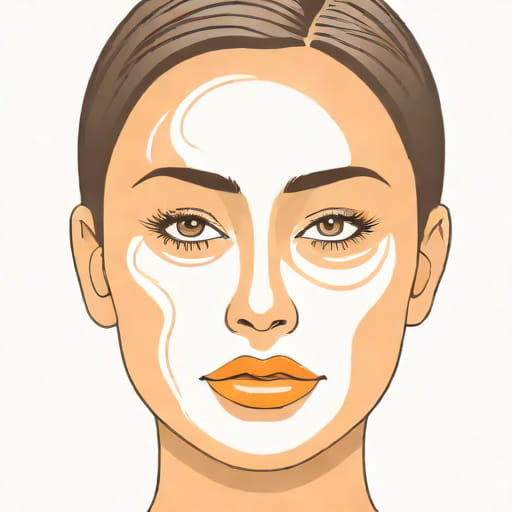
Maintaining healthy and radiant skin has become a central focus in modern skincare routines, with many people seeking professional treatments that go beyond basic cleansing or moisturizing. One of the most effective and specialized treatments available is a dermatological facial. Unlike typical spa facials, a dermatological facial is performed under the guidance of a dermatologist or a licensed skincare professional and is tailored to address specific skin concerns such as acne, hyperpigmentation, fine lines, or sensitive skin conditions. This type of facial combines medical-grade products, advanced techniques, and evidence-based approaches to improve the overall health, texture, and appearance of the skin. Understanding what a dermatological facial entails, its benefits, and how it differs from regular facials can help individuals make informed decisions about incorporating it into their skincare regimen.
Definition of a dermatological facial
A dermatological facial is a professional skincare treatment designed to improve the health and appearance of the skin while addressing specific dermatological concerns. Unlike standard facials that focus mainly on relaxation and superficial cleansing, dermatological facials are medically-informed procedures. They often involve a combination of deep cleansing, exfoliation, extraction, targeted serums, and therapeutic masks, using products and methods that are clinically tested and suitable for sensitive or problem-prone skin. Dermatologists or trained skincare specialists assess an individual’s skin type, conditions, and underlying issues to create a customized treatment plan, ensuring both safety and efficacy.
Key components of a dermatological facial
Dermatological facials include several steps that are carefully designed to promote skin health and treat specific issues. The procedures may vary depending on the clinic, the patient’s skin type, and the targeted outcomes.
Skin assessment
The process begins with a detailed skin evaluation conducted by a dermatologist or skincare professional. This includes analyzing skin texture, hydration levels, oil production, sensitivity, and signs of conditions such as acne, rosacea, or pigmentation. The assessment helps determine the appropriate products and techniques for the facial.
Deep cleansing
Deep cleansing removes impurities, excess oils, and environmental pollutants from the skin. Dermatological facials often use gentle yet effective cleansers that do not disrupt the skin’s natural barrier, ensuring that even sensitive skin types can tolerate the treatment without irritation.
Exfoliation
Exfoliation is a crucial step to remove dead skin cells and stimulate cellular renewal. Medical-grade exfoliants may include chemical peels containing ingredients like alpha-hydroxy acids (AHAs) or beta-hydroxy acids (BHAs) that penetrate the skin gently but effectively, reducing dullness, unclogging pores, and improving skin texture.
Extraction
For individuals with clogged pores, blackheads, or whiteheads, dermatological facials often include careful extraction performed by trained professionals. Unlike traditional facials, extractions in this setting minimize the risk of scarring, infection, or further irritation.
Targeted treatments and serums
Depending on the skin concern, dermatological facials incorporate specialized serums and treatments. For example, acne-prone skin may receive antibacterial or anti-inflammatory serums, while skin showing signs of aging may benefit from collagen-boosting or antioxidant-rich solutions. These treatments are often formulated at higher concentrations than over-the-counter products, offering enhanced efficacy.
Therapeutic masks and hydration
Hydrating and therapeutic masks are applied to nourish the skin and support the treatment’s objectives. Masks may include calming ingredients like aloe vera, hyaluronic acid, or peptides, helping to restore moisture, reduce redness, and reinforce the skin’s protective barrier.
Benefits of dermatological facials
Dermatological facials offer a range of benefits beyond surface-level improvement, combining aesthetic enhancement with skin health and medical oversight. Some of the main advantages include
Improved skin health
Regular dermatological facials support the skin’s natural functions by promoting cellular turnover, enhancing hydration, and maintaining balanced oil production. This can prevent future breakouts and reduce the appearance of fine lines and blemishes.
Targeted treatment of skin conditions
Unlike general facials, dermatological facials address specific dermatological concerns such as acne, hyperpigmentation, rosacea, and signs of aging. Professional-grade products and techniques ensure that the treatments are both safe and effective.
Customized skincare approach
Each dermatological facial is tailored to the individual’s skin type and condition, allowing for a highly personalized treatment plan. This customization increases the likelihood of achieving optimal results while minimizing potential side effects.
Long-term skin maintenance
Beyond immediate improvements, dermatological facials can contribute to long-term skin health. Regular treatments help maintain clear, smooth, and radiant skin, reduce the frequency of breakouts, and prevent premature aging.
Who should consider a dermatological facial
While anyone seeking healthier, more radiant skin can benefit from dermatological facials, they are particularly recommended for individuals with specific skin concerns or conditions.
Ideal candidates
- Individuals with persistent acne or frequent breakouts
- People experiencing uneven skin tone or pigmentation issues
- Those with signs of premature aging, such as fine lines or loss of elasticity
- Individuals with sensitive or reactive skin seeking safe professional care
- Anyone looking for medical-grade skin rejuvenation and long-term maintenance
Difference between dermatological and spa facials
While both types of facials aim to improve the skin, there are key differences between dermatological facials and typical spa facials. Spa facials often focus on relaxation, general cleansing, and temporary cosmetic improvement. Dermatological facials, on the other hand, use medical-grade products, evidence-based techniques, and professional oversight to treat specific conditions, improve skin health, and deliver measurable long-term benefits.
A dermatological facial is a professional, medically-informed skincare treatment designed to enhance both the health and appearance of the skin. Through a combination of skin assessment, deep cleansing, exfoliation, targeted serums, and therapeutic masks, these facials provide significant benefits for individuals with a range of skin concerns. Unlike traditional spa facials, dermatological facials are customized, evidence-based, and often incorporate medical-grade products to achieve optimal results. By understanding what a dermatological facial entails, the steps involved, and its potential benefits, individuals can make informed decisions about their skincare routines and take proactive steps toward maintaining healthy, radiant skin over the long term.