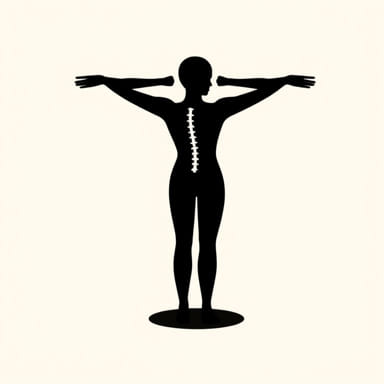
Back spasms are sudden, involuntary contractions of the muscles in the back that can cause mild discomfort or severe pain. They often occur without warning and may last for just a few seconds, or they may persist for hours. People of all ages can experience back spasms, though they are more common in adults due to physical strain, poor posture, or underlying medical conditions. Understanding what a back spasm is, why it happens, and how it can be treated is essential for preventing recurring pain and maintaining spinal health.
Definition of a Back Spasm
A back spasm is the tightening or cramping of the muscles along the spine, usually triggered by muscle fatigue, injury, or irritation of the nerves. These contractions are the body’s natural response to protect the spine from further injury, but they can be extremely painful. In many cases, the muscles lock up, making it difficult to move freely. While some spasms resolve on their own, others may indicate a more serious issue such as a herniated disc, arthritis, or nerve compression.
Common Causes of Back Spasms
Back spasms can result from a variety of factors. Identifying the root cause helps determine the most effective treatment.
- Muscle StrainOveruse of the back muscles, often caused by lifting heavy objects improperly, sudden movements, or prolonged physical activity.
- Poor PostureSitting or standing in awkward positions for long periods can place pressure on spinal muscles.
- DehydrationLow fluid levels can lead to muscle cramps, including in the back.
- Nerve CompressionConditions such as a herniated disc or spinal stenosis can irritate nearby nerves, causing spasms.
- Medical ConditionsArthritis, scoliosis, and degenerative disc disease can contribute to chronic back spasms.
- Lack of Physical ActivityWeak core muscles fail to support the spine properly, making spasms more likely.
Symptoms Associated with Back Spasms
The main symptom is sudden muscle tightness, but back spasms may also include
- Sharp or stabbing pain in the lower or upper back
- Difficulty standing up straight or bending over
- Muscle stiffness that limits mobility
- Pain radiating to the buttocks or legs if nerves are involved
- A sensation of knots or hard spots in the back muscles
Risk Factors
Some people are more prone to experiencing back spasms than others. Risk factors include
- Being overweight, which puts extra strain on back muscles
- A sedentary lifestyle with little exercise
- Engaging in high-intensity sports without proper stretching
- Occupations involving heavy lifting or long hours of sitting
- A history of back injuries or chronic spine problems
How Back Spasms Affect Daily Life
Back spasms can significantly disrupt everyday activities. Something as simple as bending down to tie shoes or carrying groceries can become painful. Severe spasms may force individuals to rest in bed, limiting productivity and impacting their mental well-being. Over time, recurring spasms may discourage physical activity, leading to weakened muscles and more frequent episodes. This cycle makes proper management and prevention strategies critical.
Diagnosing Back Spasms
To properly treat back spasms, healthcare professionals often begin with a detailed medical history and physical examination. They may ask about recent injuries, activity levels, and posture habits. In some cases, imaging tests such as X-rays, MRIs, or CT scans are used to check for underlying structural issues like herniated discs or spinal stenosis. Blood tests may also be ordered if dehydration or electrolyte imbalance is suspected.
Treatment Options
The treatment of back spasms depends on the underlying cause, severity, and frequency of the episodes. Common treatment methods include
Rest and Ice or Heat Therapy
Resting the affected area for a short period helps reduce strain. Ice packs can reduce inflammation, while heat therapy helps relax tight muscles.
Stretching and Physical Therapy
Gentle stretching exercises relieve muscle tension and prevent stiffness. Physical therapy strengthens the core and back muscles, improving posture and reducing the risk of future spasms.
Medications
Over-the-counter pain relievers such as ibuprofen or acetaminophen can ease discomfort. Muscle relaxants may also be prescribed for severe spasms.
Massage Therapy
Massage helps release knots and improve blood circulation in the affected area, offering relief from pain and tightness.
Hydration and Nutrition
Drinking enough water and maintaining balanced electrolyte levels are important for muscle function. Magnesium and potassium-rich foods can help prevent cramps.
Prevention Strategies
Preventing back spasms involves adopting healthy habits and making lifestyle adjustments.
- Maintain good posture while sitting, standing, and walking.
- Strengthen core muscles with regular exercise.
- Stretch before and after physical activity.
- Avoid lifting heavy objects incorrectly; use proper lifting techniques.
- Stay hydrated and eat a diet rich in essential minerals.
- Take breaks from prolonged sitting to move and stretch.
When to See a Doctor
Most back spasms improve with home care, but medical attention is necessary if
- The pain is severe and does not improve after a few days
- Spasms are accompanied by numbness, tingling, or weakness in the legs
- There is loss of bladder or bowel control
- Spasms are frequent and interfere with daily life
Long-Term Outlook
With proper treatment and preventive care, most people recover fully from back spasms. However, those with chronic spine conditions may experience recurrent episodes. Lifestyle modifications, regular exercise, and medical management can significantly reduce the frequency and intensity of spasms. Addressing the root cause rather than just treating the symptoms is key to long-term relief.
A back spasm is more than just a simple muscle cramp it can be a sign of strain, poor posture, or an underlying medical issue. While they are common, back spasms should not be ignored, especially if they become frequent or severe. Understanding what causes back spasms, how they manifest, and the available treatment options empowers individuals to manage the condition effectively. By practicing prevention strategies and seeking timely medical advice, it is possible to maintain a healthy spine and avoid the discomfort of recurring back spasms.