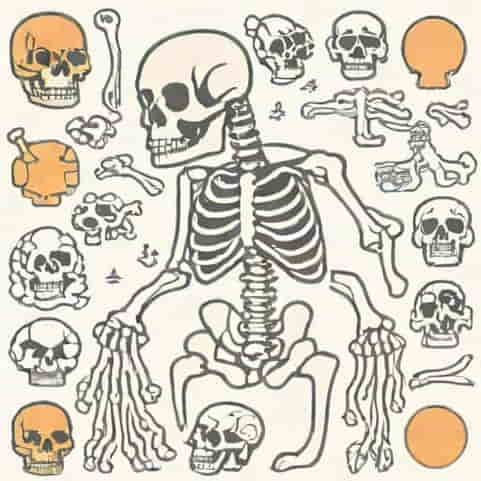
The human skeletal system is a remarkable structure that provides support, protection, and mobility throughout life. One of the most fascinating aspects of skeletal development is the process of ossification, which is the transformation of soft cartilage into hard bone. This process is essential for the growth of bones in children and adolescents and continues to play a role in bone repair and remodeling throughout adulthood. Understanding what happens as bones ossify offers insight into human growth, development, and overall skeletal health. The process involves cellular activity, mineral deposition, and structural changes that are critical for creating strong and functional bones. Ossification occurs in specific patterns and at specific times, ensuring that the skeletal system can support the body’s weight, allow movement, and protect vital organs.
Definition and Types of Ossification
Ossification, also called osteogenesis, is the biological process by which new bone is formed. This process converts a cartilage template into rigid bone tissue, allowing the skeleton to become strong and durable. There are two main types of ossification intramembranous ossification and endochondral ossification. Each type occurs in different regions of the body and involves distinct cellular mechanisms, yet both result in the formation of functional bone tissue capable of supporting the body.
Intramembranous Ossification
Intramembranous ossification primarily occurs in the flat bones of the skull, the mandible, and the clavicle. During this process, mesenchymal cells, which are a type of stem cell found in connective tissue, differentiate directly into osteoblasts. Osteoblasts are specialized bone-forming cells responsible for secreting bone matrix. The bone matrix gradually mineralizes, forming trabecular bone, and eventually matures into compact bone. This process is critical during fetal development and contributes to the formation of the protective cranial structure that houses the brain.
Endochondral Ossification
Endochondral ossification is the more common type of bone formation, responsible for forming long bones such as the femur, tibia, and humerus. This process begins with a cartilage model of the bone, which gradually transforms into bone tissue. Chondrocytes, the cells found in cartilage, enlarge and die, leaving spaces that are invaded by osteoblasts and blood vessels. The osteoblasts deposit bone matrix, replacing the cartilage with bone. Endochondral ossification is essential for the growth of bones in length during childhood and adolescence, occurring at specialized growth regions called epiphyseal plates or growth plates.
Stages of Bone Ossification
As bones ossify, several coordinated stages occur to ensure proper development and strength. These stages include the initial formation of a cartilage template, cellular differentiation, matrix deposition, mineralization, and remodeling. Each stage is regulated by genetic, hormonal, and nutritional factors that influence the rate and quality of ossification.
Formation of the Cartilage Template
Before ossification begins, bones are first represented by a cartilage model, primarily composed of hyaline cartilage. This template provides the shape and size of the future bone while allowing flexibility and rapid growth. The cartilage template ensures that bones can grow proportionally and adapt to the surrounding tissue and mechanical stresses. In endochondral ossification, this template acts as the foundation for the subsequent transformation into mineralized bone.
Cellular Differentiation
The next stage involves the differentiation of specialized cells. Mesenchymal stem cells differentiate into chondrocytes in endochondral ossification or directly into osteoblasts in intramembranous ossification. These cells are responsible for producing the extracellular matrix, which forms the structural framework for bone. Cellular differentiation is regulated by signaling molecules such as bone morphogenetic proteins (BMPs), which guide the cells toward becoming bone-forming osteoblasts.
Matrix Deposition and Mineralization
Osteoblasts secrete an organic matrix primarily composed of collagen, which provides flexibility and tensile strength. Following matrix deposition, mineralization occurs as calcium phosphate crystals are deposited within the matrix. This process hardens the tissue, converting it into rigid bone capable of supporting weight and resisting mechanical stress. Proper mineralization is crucial, as deficiencies in calcium, vitamin D, or phosphate can lead to weak or deformed bones.
Bone Remodeling
Even after ossification is complete, bones continue to undergo remodeling. Osteoclasts, the bone-resorbing cells, break down old or damaged bone, while osteoblasts continue to form new bone. This balance ensures that bones maintain their strength and structural integrity throughout life. Remodeling also allows bones to adapt to changes in mechanical stress, repair minor fractures, and maintain calcium homeostasis in the body.
Factors Affecting Ossification
The process of bone ossification can be influenced by multiple internal and external factors. Hormones, nutrition, mechanical stress, and genetic predisposition all play roles in determining how efficiently bones ossify and maintain their strength.
Hormonal Influence
Hormones such as growth hormone, thyroid hormones, and sex steroids significantly influence bone growth and ossification. Growth hormone stimulates the proliferation of chondrocytes in growth plates, leading to increased bone length. Thyroid hormones are crucial for overall skeletal development, while estrogen and testosterone influence the closure of growth plates during puberty, marking the end of longitudinal bone growth.
Nutrition and Mineral Availability
Proper nutrition is vital for successful ossification. Adequate intake of calcium, phosphate, and vitamin D ensures that mineralization proceeds effectively. Protein is also necessary for collagen production, which forms the organic matrix of bones. Nutritional deficiencies during critical growth periods can lead to conditions such as rickets in children or osteomalacia in adults, characterized by soft and weak bones.
Mechanical Stress and Exercise
Mechanical stress stimulates bone formation through a process known as mechanotransduction. Weight-bearing activities and regular exercise encourage osteoblast activity, promoting stronger and denser bones. Conversely, a lack of mechanical load, as seen in prolonged bed rest or microgravity environments, can lead to decreased bone mass and delayed ossification in growing individuals.
Clinical Significance of Ossification
Understanding the process of ossification has significant clinical implications. Pediatricians, orthopedists, and radiologists rely on knowledge of bone development to assess growth and identify abnormalities. Delayed or abnormal ossification can indicate conditions such as congenital skeletal disorders, metabolic bone diseases, or endocrine imbalances. Monitoring ossification through imaging techniques like X-rays or MRI helps track growth, detect fractures, and plan treatments.
Ossification Disorders
- Osteogenesis imperfecta – a genetic disorder leading to brittle bones due to defective collagen.
- Rickets – a condition in children caused by vitamin D deficiency resulting in soft bones.
- Achondroplasia – a form of dwarfism affecting cartilage formation and subsequent ossification.
- Delayed bone age – a condition where ossification lags behind chronological age, often assessed through X-rays.
As bones ossify, a complex and highly coordinated series of events transforms cartilage into strong, mineralized bone tissue. This process begins with the formation of cartilage templates, progresses through cellular differentiation, matrix deposition, and mineralization, and continues with bone remodeling throughout life. Factors such as hormones, nutrition, and mechanical stress influence the rate and quality of ossification. Proper ossification is essential for skeletal growth, structural support, and overall health. Disruptions in this process can lead to significant medical conditions, highlighting the importance of understanding what happens as bones ossify. Through research and clinical observation, scientists and doctors continue to study ossification to ensure healthy bone development and to treat disorders that interfere with this vital process.