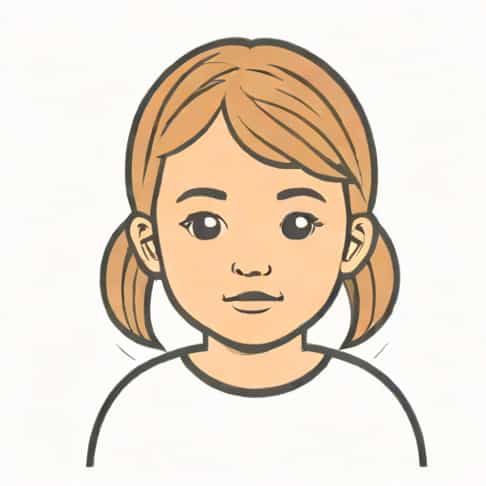
Children experience a wide range of emotions as they grow, and some feelings can be complex, subtle, and even difficult for them to describe. One such emotion is wistful. For kids, feeling wistful often means experiencing a gentle, mixed emotion that combines longing, sadness, and a bit of nostalgia. It can happen when they remember something they miss, wish for something they cannot have, or imagine a situation that seems just out of reach. Understanding what wistful means for kids helps parents, teachers, and caregivers support children in recognizing and expressing their feelings, which is essential for emotional development and communication. By learning about wistfulness, adults can guide children to process their emotions in healthy and meaningful ways.
Defining Wistful for Kids
Wistful is an adjective that describes a feeling of gentle sadness or longing, often mixed with hope or nostalgia. When a child feels wistful, they might quietly think about something they miss, a memory they cherish, or a future they wish could happen. Unlike strong sadness or anger, wistfulness is soft and reflective. It does not overwhelm the child but leaves a gentle impression, often visible through quiet moments, daydreaming, or thoughtful expressions.
For example, a child may feel wistful when thinking about a friend who moved to another city, a favorite toy they lost, or a family vacation that has ended. The emotion combines longing and reflection, showing that the child values their memories and experiences.
Signs of Wistfulness in Kids
Children may show wistfulness in subtle ways, and it is important for adults to recognize the signs. Unlike overt sadness, which might include crying or visible distress, wistfulness is more introspective and quiet. Kids may appear thoughtful, distracted, or gentle in their behavior when feeling wistful.
Common Signs
- Quietly staring or daydreaming, often with a soft expression on the face
- Talking about missing someone or something in a calm, reflective way
- Showing gentle nostalgia for past experiences or places
- Drawing, writing, or imagining scenarios related to memories or desires
- Smiling softly while recalling a happy memory mixed with sadness
Recognizing these signs allows caregivers and educators to help children process their emotions and validate their feelings.
Examples of Wistful Feelings in Children
Wistfulness in kids can occur in a variety of situations. It is often related to experiences, relationships, or objects that have emotional significance. Some common examples include
- Missing a grandparent or friend who they haven’t seen in a while
- Thinking about a favorite toy or pet that is no longer around
- Remembering a fun day at school, a birthday party, or a vacation
- Wishing for a playdate, special outing, or holiday experience that hasn’t happened yet
- Watching other children enjoy something and quietly wishing to join
In each of these situations, the child experiences a mixture of longing, gentle sadness, and appreciation for the moment or memory. Wistfulness is not about frustration or anger; it is about recognizing the value of experiences and desiring them in a reflective way.
Helping Kids Understand Wistfulness
Teaching children to recognize and understand wistful feelings helps them develop emotional awareness. Parents, teachers, and caregivers can explain wistfulness using simple language and relatable examples. For instance, you might say, Wistful means feeling a little sad because you miss something, but also remembering it with a smile. By naming the emotion, children learn that their feelings are normal and understandable.
Tips for Adults
- Encourage children to talk about their feelings gently without judgment
- Share personal stories of wistfulness to model understanding and reflection
- Use books, movies, or stories to illustrate wistful moments in a safe context
- Validate the child’s emotions, acknowledging both the sadness and the fond memories
- Encourage creative expression through drawing, writing, or imaginative play
These strategies help children process complex emotions and develop empathy, resilience, and emotional intelligence.
Wistfulness vs. Other Emotions
It is important to distinguish wistfulness from other emotions that children might feel. While it shares some elements with sadness or longing, it is generally less intense and more reflective. Unlike anger or frustration, wistfulness is calm and contemplative. Unlike fear or anxiety, it is not driven by immediate danger or worry.
Comparison with Other Feelings
- Wistful vs. Sad – Sadness is often more immediate and intense, whereas wistfulness is gentle and reflective
- Wistful vs. Lonely – Loneliness involves feeling isolated, while wistfulness focuses on longing or nostalgia
- Wistful vs. Frustrated – Frustration involves impatience or annoyance, while wistfulness is calm and thoughtful
Helping children understand these distinctions allows them to identify their emotions accurately and express them appropriately.
Encouraging Healthy Expression of Wistfulness
While wistfulness is a normal and healthy emotion, children benefit from learning how to express it constructively. Encouraging creative activities, storytelling, or sharing memories can help children transform wistful feelings into positive experiences. Adults can guide children to appreciate their memories, reflect on what they miss, and find joy in imagining future experiences.
Practical Activities
- Memory journals – Children can draw or write about experiences they miss
- Storytelling – Encourage kids to tell stories about times they felt happy or wished for something
- Creative play – Role-playing past events or imagining future ones can channel wistfulness positively
- Sharing conversations – Talking with family or friends about feelings fosters understanding and empathy
These activities help children acknowledge and manage wistfulness while reinforcing emotional growth and self-expression.
Benefits of Understanding Wistfulness
Recognizing and understanding wistful emotions offers several benefits for children
- Emotional awareness – Children learn to identify subtle feelings
- Empathy – Understanding wistfulness in themselves helps them recognize it in others
- Reflection – Wistfulness encourages thoughtful reflection on experiences and memories
- Communication – Naming the emotion improves verbal and social expression
- Creativity – Using wistful feelings in art, writing, or play supports imagination and emotional processing
By supporting children in exploring wistfulness, adults help them build essential emotional skills that will benefit them throughout life.
Wistful is a gentle, reflective emotion that combines longing, sadness, and nostalgia. For kids, feeling wistful often occurs when they remember something they miss, wish for something they cannot have, or imagine a situation just out of reach. Recognizing this emotion allows adults to support children in understanding their feelings, expressing them creatively, and developing emotional intelligence. Through discussion, storytelling, and creative activities, children can learn that wistfulness is a natural part of life, helping them appreciate memories, process longing, and imagine possibilities with hope and reflection. Understanding wistful feelings equips children with tools to navigate complex emotions, build empathy, and grow emotionally in a healthy and balanced way.