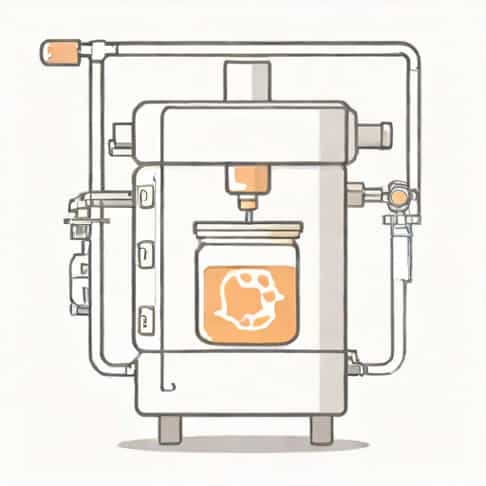
A milk pasteurizer is an essential piece of equipment in dairy processing that ensures the safety and quality of milk for consumption. Its main function is to heat raw milk to a specific temperature for a designated period of time to eliminate harmful bacteria and pathogens without significantly affecting the nutritional content or taste. Pasteurization is a critical step in modern dairy production because it helps prevent foodborne illnesses, extends the shelf life of milk, and ensures that consumers receive a safe and high-quality product. Understanding how a milk pasteurizer works and its benefits is crucial for both dairy producers and consumers.
Definition of a Milk Pasteurizer
A milk pasteurizer is a device used to carry out the process of pasteurization, which involves heating milk to destroy harmful microorganisms such as Salmonella, Listeria, and E. coli. The pasteurization process can vary in temperature and duration depending on the type of milk product and the desired shelf life. Modern milk pasteurizers are designed to maintain precise temperature control, ensure uniform heating, and optimize efficiency while preserving the milk’s taste and nutritional value.
Key Features of a Milk Pasteurizer
- Heats milk to a specific temperature to destroy harmful bacteria.
- Maintains uniform heat distribution to ensure complete pasteurization.
- Reduces microbial load while preserving taste and nutrients.
- Extends the shelf life of milk and dairy products.
- Comes in various sizes and designs for home or industrial use.
How a Milk Pasteurizer Works
The milk pasteurization process relies on controlled heat application. In general, milk is either heated rapidly to a high temperature for a short time, known as High-Temperature Short-Time (HTST) pasteurization, or heated to a lower temperature for a longer period, known as Low-Temperature Long-Time (LTLT) pasteurization. The heat destroys pathogenic bacteria and other microorganisms without significantly altering the milk’s flavor or nutritional content. After heating, the milk is quickly cooled to prevent recontamination and maintain quality.
Steps in Milk Pasteurization
- Raw milk is collected and filtered to remove impurities.
- Milk is heated to a specific temperature according to the pasteurization method.
- Temperature is maintained for the required time to ensure microbial destruction.
- Milk is rapidly cooled to a safe storage temperature.
- Pasteurized milk is packaged in sterile containers for distribution.
Types of Milk Pasteurizers
Milk pasteurizers come in several forms, catering to both small-scale and industrial dairy operations. Batch pasteurizers are commonly used in small farms or artisanal cheese production, where milk is heated in a tank and held at a consistent temperature for a set time. Continuous flow pasteurizers, used in large-scale dairy plants, allow milk to pass through heated tubes or plates for rapid pasteurization, ensuring efficiency and consistency. Some advanced pasteurizers incorporate automation and precise temperature control for maximum safety and quality.
Common Milk Pasteurizer Types
- Batch pasteurizers for small-scale milk processing.
- Continuous flow pasteurizers for large-scale industrial use.
- High-Temperature Short-Time (HTST) pasteurizers for rapid heating.
- Low-Temperature Long-Time (LTLT) pasteurizers for gentle heating.
- Automated pasteurizers with temperature monitoring and control.
Benefits of Using a Milk Pasteurizer
The use of a milk pasteurizer offers numerous advantages, particularly in terms of health and safety. Pasteurization significantly reduces the risk of foodborne illnesses caused by pathogenic bacteria in raw milk. It also extends the shelf life of milk and other dairy products, reducing spoilage and economic losses. Moreover, pasteurization maintains the nutritional value of milk, including essential vitamins and proteins, while improving taste and texture. For consumers, pasteurized milk provides a safer and more reliable option for daily consumption.
Main Benefits
- Eliminates harmful bacteria and pathogens to ensure food safety.
- Extends the shelf life of milk and dairy products.
- Preserves essential nutrients such as protein, calcium, and vitamins.
- Improves taste, texture, and overall quality of milk.
- Facilitates compliance with food safety regulations.
Applications of Milk Pasteurizers
Milk pasteurizers are used in a variety of contexts, from small-scale dairy farms to large industrial operations. They are essential for producing safe drinking milk, cheese, yogurt, and other dairy products. In addition to traditional cow’s milk, pasteurizers are used for goat, sheep, and even plant-based milk alternatives to ensure microbial safety. Beyond the dairy industry, pasteurization principles are applied in other food processing sectors, including juice, honey, and liquid egg processing, demonstrating the versatility and importance of pasteurization technology.
Applications in Dairy Industry
- Processing fresh milk for consumer sale.
- Producing cheese, yogurt, and other cultured dairy products.
- Ensuring microbial safety in goat and sheep milk products.
- Supporting artisanal and small-scale dairy production.
- Compliance with national and international food safety standards.
Applications Beyond Dairy
- Pasteurizing fruit juices to prevent microbial contamination.
- Processing liquid eggs and egg products for safe consumption.
- Ensuring safety and quality in honey processing.
- Used in food research and quality testing laboratories.
- Extending shelf life of beverages and liquid foods.
Tips for Effective Milk Pasteurization
To maximize the effectiveness of a milk pasteurizer, proper techniques and attention to detail are important. Maintaining the correct temperature and timing ensures that harmful bacteria are destroyed without compromising quality. Regular cleaning and maintenance of pasteurizers are critical to prevent contamination and ensure consistent performance. Additionally, selecting the appropriate type of pasteurizer based on milk volume and processing requirements contributes to efficiency and safety.
Best Practices
- Monitor and maintain precise temperature control during pasteurization.
- Follow the recommended time for each pasteurization method.
- Ensure rapid cooling after pasteurization to prevent bacterial growth.
- Regularly clean and sanitize pasteurizer equipment.
- Choose the appropriate pasteurizer type for your production scale.
A milk pasteurizer plays a vital role in ensuring the safety, quality, and longevity of milk and dairy products. By effectively eliminating harmful bacteria while preserving taste and nutritional content, pasteurization protects public health and enhances the consumer experience. From small farms to large industrial plants, milk pasteurizers are indispensable in modern dairy production, contributing to consistent quality and compliance with food safety regulations. Understanding the function and benefits of a milk pasteurizer allows producers and consumers alike to appreciate the importance of this essential food processing tool.