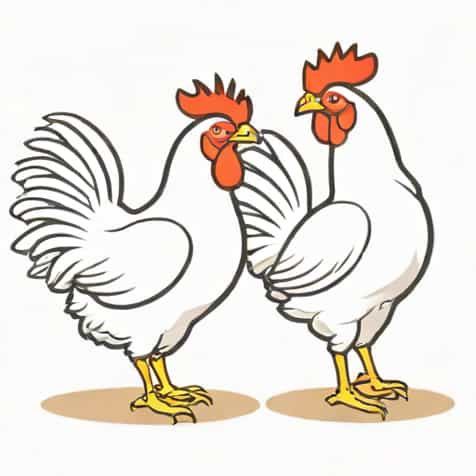
White Leghorn chickens are one of the most recognizable and widely raised chicken breeds in the world. Known for their alert posture, white feathers, and impressive egg-laying ability, these birds have played a major role in shaping modern poultry farming. While many people associate chickens mainly with either eggs or meat, White Leghorns are especially valued for specific purposes that make them stand out from other breeds. Understanding what White Leghorn chickens are used for helps farmers, homesteaders, and backyard keepers make informed decisions about raising them.
Primary Use of White Leghorn Chickens
The primary use of White Leghorn chickens is egg production. This breed is famous for its ability to lay a high number of white eggs consistently throughout the year. Because of their efficiency, White Leghorns are commonly found in commercial egg-laying operations across the globe.
Unlike dual-purpose breeds, White Leghorns are not typically raised for meat. Their lean bodies and active nature make them better suited for producing eggs rather than large quantities of meat.
Egg Production Efficiency
White Leghorn chickens are considered one of the most productive egg-laying breeds available. A healthy hen can lay between 280 and 320 eggs per year under proper conditions. This high output makes them ideal for both industrial farms and smaller-scale egg producers.
The eggs produced by White Leghorns are medium to large in size and have white shells, which are preferred in many markets around the world.
Consistency and Longevity
Another advantage of White Leghorns is their consistency. They tend to lay eggs regularly and maintain productivity longer than many other breeds.
Even as they age, White Leghorn hens often continue laying at a steady rate, making them cost-effective over time.
Commercial Poultry Farming
White Leghorn chickens are a cornerstone of commercial egg production. Their feed efficiency means they convert feed into eggs more effectively than heavier breeds.
This efficiency reduces production costs, which is why many commercial egg operations rely heavily on White Leghorn genetics.
Adaptability to Housing Systems
White Leghorns adapt well to various housing systems, including cage-free, aviary, and traditional housing setups.
Their lightweight build and active behavior help them cope with confined spaces better than larger, heavier breeds.
Backyard Chicken Keeping
While often associated with industrial farms, White Leghorn chickens are also used by backyard chicken keepers who prioritize egg production.
For households that want a reliable supply of eggs without raising many birds, White Leghorns can be an excellent choice.
Pros and Cons for Backyard Flocks
White Leghorns have several advantages, but they may not suit every backyard environment.
- High egg production with minimal feed
- Good heat tolerance
- Active and alert behavior
- Less friendly compared to some docile breeds
- More flighty and independent
They are best suited for keepers who value productivity over pet-like behavior.
Heat Tolerance and Climate Use
White Leghorn chickens originated in the Mediterranean region, which has influenced their ability to tolerate heat. Their large combs help release excess body heat, making them suitable for warmer climates.
This heat tolerance is one reason why White Leghorns are used extensively in tropical and subtropical regions.
Cold Weather Considerations
While they handle heat well, White Leghorns require additional care in cold climates. Their large combs can be prone to frostbite.
With proper shelter and management, however, they can still be successfully raised in cooler environments.
Breeding and Genetic Use
White Leghorn chickens are also used in breeding programs. Their strong egg-laying genetics make them valuable for developing hybrid layers.
Many commercial egg-laying hybrids have White Leghorn ancestry, combining productivity with improved temperament or adaptability.
Role in Hybrid Layers
By crossing White Leghorns with other breeds, breeders aim to produce chickens that retain high egg output while gaining additional traits.
This makes White Leghorns a foundational breed in the poultry industry.
Meat Production Limitations
Although White Leghorn chickens can technically be eaten, they are not commonly used for meat production. Their bodies are smaller and leaner compared to broiler breeds.
The meat tends to be firmer and less abundant, making them less desirable for large-scale meat operations.
Use in Traditional or Home Settings
In some traditional or rural settings, older hens may be used for soups or stews.
However, meat production is generally a secondary consideration when raising White Leghorns.
Behavior and Activity Level
White Leghorn chickens are known for being active, alert, and sometimes nervous. This behavior helps them avoid predators but can make them less approachable.
They are excellent foragers and can supplement their diet by searching for insects and seeds.
Impact on Their Use
Their active nature supports their role as efficient egg layers, but it may not appeal to those seeking calm, easily handled birds.
Understanding their temperament helps determine whether they are suitable for a specific purpose.
Economic Value
From a financial perspective, White Leghorn chickens offer strong economic value. Their low feed consumption combined with high egg output results in a favorable cost-to-production ratio.
This economic efficiency explains their dominance in the egg industry.
Common Misconceptions
Some people assume White Leghorns are difficult to manage or unsuitable for small flocks. In reality, they thrive when their needs are met.
They are not aggressive, but they are independent, which can be misunderstood as unfriendly behavior.
White Leghorn chickens are primarily used for egg production, and they excel at it more than most other breeds. Their efficiency, adaptability, and strong laying genetics make them a top choice for commercial farms and productive backyard flocks alike.
While they are not ideal for meat production or as companion animals, their value lies in consistent performance and economic efficiency. For anyone focused on reliable egg supply and practical poultry management, White Leghorn chickens remain one of the most important and widely used breeds in the world.