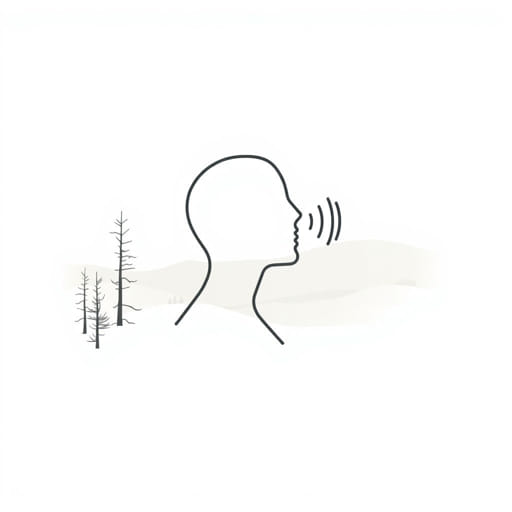
Throughout history, the phrase ‘voice in the wilderness’ has been used to describe a solitary figure or message that speaks truth or wisdom in the face of overwhelming silence, ignorance, or opposition. It conveys a sense of isolation, persistence, and often, prophecy. Whether used in a religious, political, social, or personal context, the expression carries a powerful emotional and philosophical weight. People who identify with the phrase often feel compelled to stand up for what they believe is right, even when others are unwilling or unable to hear them.
Origins and Biblical Reference
John the Baptist as the Original Voice
The phrase voice in the wilderness finds its roots in the Bible, particularly in the Gospels of the New Testament. John the Baptist is described as ‘a voice crying out in the wilderness,’ preparing the way for Jesus Christ. This metaphor not only references his physical location in the desert but also his role as a herald of radical spiritual change. His message was often ignored, misunderstood, or rejected by those in power or the general public, making the symbolism even more potent.
Old Testament Echoes
Even before John the Baptist, the concept appeared in the Book of Isaiah, which describes a prophetic voice calling out in the desert to make a path for the Lord. This idea is not just about physical geography but about spiritual emptiness and the need for guidance in a world filled with noise and distraction.
Modern Interpretations of the Phrase
Speaking Truth to Power
Today, the expression voice in the wilderness is often used to describe individuals who take a stand against injustice, corruption, or popular opinion. These people might be whistleblowers, activists, scientists, writers, or religious figures who refuse to conform to the status quo. Their ideas might initially be ridiculed or dismissed, but over time, their persistence can lead to societal or cultural change.
- Climate scientists warning about environmental dangers long before mainstream acceptance.
- Human rights activists in authoritarian regimes speaking out for justice despite threats.
- Artists creating bold, unconventional work that challenges norms and invites new perspectives.
Personal Journeys of Faith or Conviction
On a more personal level, being a voice in the wilderness can reflect someone’s inner struggles and courage to stay true to their beliefs or purpose. In this context, the wilderness may represent confusion, doubt, or isolation, and the voice is one’s inner guidance or divine calling. Many people find themselves in such situations during periods of transition, grief, or self-discovery.
The Symbolic Meaning of Wilderness
A Place of Challenge and Transformation
The wilderness is not just a backdrop for isolation but a space for spiritual or emotional transformation. In many religious and mythological narratives, the wilderness is where significant growth takes place. Moses, Jesus, and other figures spent time in the wilderness, and it was there that they confronted doubts, temptation, and the deepest truths about themselves and their mission.
Silence as a Medium for the Voice
Interestingly, the wilderness is often devoid of human noise and distraction, which amplifies the significance of the solitary voice. In a world that frequently overwhelms us with information, consumerism, and constant stimulation, the metaphor reminds us that clarity and truth are often born in silence, stillness, and solitude.
Voice in the Wilderness in Literature and Media
Literary Examples
Authors and poets have long used the concept of a voice in the wilderness to characterize their protagonists or narrators. Whether in dystopian fiction or philosophical essays, this voice represents integrity, prophecy, and often loneliness. Writers such as George Orwell, Henry David Thoreau, and Emily Dickinson explored similar themes in their work challenging prevailing thoughts and seeking deeper truth.
Popular Culture References
Television shows, films, and music have also embraced this motif. Characters who refuse to follow the crowd, who stand firm against powerful systems, or who believe in something greater despite skepticism, embody the idea. In stories where the hero’s journey involves being misunderstood or alienated, the wilderness becomes the stage for internal or external revolution.
Why the Phrase Resonates Today
A World Full of Noise
In the digital age, voices are everywhere. Social media platforms, 24-hour news cycles, and constant content creation mean everyone can speak but not everyone is truly heard. Amid this digital wilderness, authentic voices can still feel lost. The phrase continues to resonate because people long for sincerity, guidance, and depth amid the superficial noise.
The Courage to Be Different
Being a voice in the wilderness requires courage, resilience, and often sacrifice. Whether it’s calling out injustice, pursuing an unconventional path, or staying loyal to one’s values, it involves choosing to speak when it’s easier to stay silent. In this way, the phrase honors those who lead with conviction and empathy rather than popularity or fear.
Lessons from the Wilderness Voice
Listening to the Unpopular
History shows that many truths begin as unpopular ideas. Listening to those who seem out of step with mainstream thinking can open the door to innovation, justice, and growth. Encouraging critical thinking and open dialogue means recognizing that a voice in the wilderness may one day become the guiding voice for many.
Personal Reflection
The phrase also invites personal reflection. In what ways are we ignoring voices in our own lives? Are we tuning out the quiet truth in favor of louder distractions? Are we ourselves being called to speak out, even when it feels isolating or difficult? The concept challenges us to be both better listeners and braver messengers.
Voice in the wilderness is far more than a poetic phrase or religious metaphor it is a powerful expression of what it means to be human in a complex world. Whether through acts of courage, expressions of creativity, or moments of spiritual awakening, the voice that echoes through the wilderness continues to inspire, challenge, and call us toward something greater. In a world often crowded with echoes of conformity, that solitary, sincere voice reminds us of the enduring strength of truth, even when no one else seems to be listening.