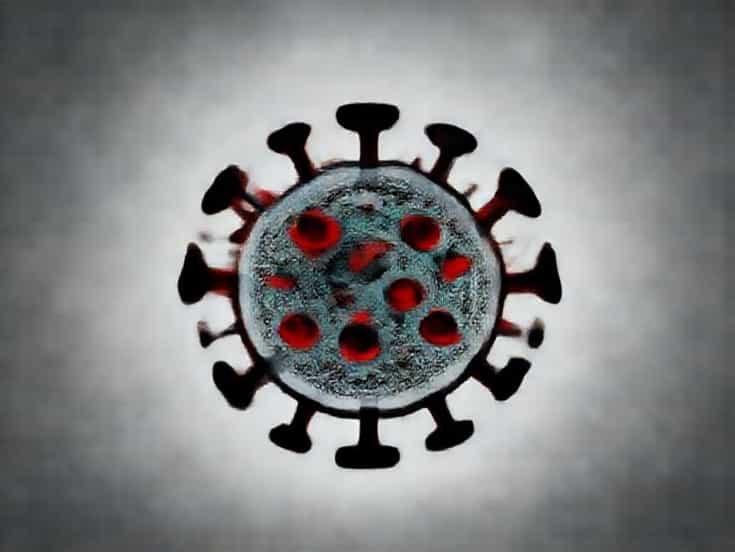
Pneumonia is a common respiratory infection that affects millions of people worldwide every year. While bacterial infections are often discussed in relation to pneumonia, viral pneumonia is an equally significant concern that can lead to serious health complications, particularly in children, the elderly, and those with weakened immune systems. Understanding the causative agents of viral pneumonia is essential for prevention, early diagnosis, and appropriate treatment. Viral pneumonia occurs when viruses infect the lungs, causing inflammation and fluid buildup that makes breathing difficult. Symptoms can range from mild cough and fever to severe difficulty in breathing and chest pain, making it important to identify the underlying viral cause to guide proper care.
What is Viral Pneumonia?
Viral pneumonia is a type of lung infection caused by viruses rather than bacteria. Unlike bacterial pneumonia, which can often be treated effectively with antibiotics, viral pneumonia requires different management strategies, including antiviral medications in certain cases and supportive care to relieve symptoms. The infection inflames the air sacs in the lungs, which can fill with fluid or pus, leading to breathing difficulties and reduced oxygen levels in the bloodstream. Because viral pneumonia can be caused by a variety of viruses, understanding the causative agents is crucial for diagnosis and treatment.
Common Viruses That Cause Pneumonia
Several viruses are known to cause pneumonia in humans. Each virus may affect different age groups and vary in severity. Some of the most common viral causative agents include
- Influenza VirusInfluenza viruses, particularly types A and B, are among the leading causes of viral pneumonia. They often cause seasonal outbreaks and can lead to severe complications in high-risk populations.
- Respiratory Syncytial Virus (RSV)RSV is especially common in infants and young children. It can lead to severe respiratory issues, sometimes requiring hospitalization.
- CoronavirusesCertain coronaviruses, including SARS-CoV-2, have been identified as causative agents of viral pneumonia. These viruses can cause widespread respiratory illness and significant complications.
- AdenovirusesAdenoviruses are another cause of viral pneumonia, often affecting children and young adults. Symptoms can range from mild respiratory distress to severe pneumonia.
- Parainfluenza VirusesThese viruses are common causes of respiratory infections in children and can lead to pneumonia in vulnerable individuals.
- Human MetapneumovirusDiscovered relatively recently, this virus is known to cause respiratory infections, including pneumonia, especially in children and older adults.
How Viruses Cause Pneumonia
Viral pneumonia begins when a virus enters the respiratory tract and starts multiplying within the cells lining the airways and lungs. The immune system responds to the infection, which leads to inflammation. Inflammatory cells release substances that can damage lung tissue, causing the air sacs to fill with fluid or mucus. This impairs oxygen exchange, making it difficult for patients to breathe normally. The severity of the infection depends on the type of virus, the patient’s immune response, and any underlying health conditions.
Risk Factors for Viral Pneumonia
While anyone can develop viral pneumonia, certain factors increase the risk
- Age Infants and elderly individuals are more vulnerable due to weaker immune systems.
- Chronic medical conditions Heart disease, diabetes, or lung diseases like asthma increase susceptibility.
- Immune system suppression Patients undergoing chemotherapy or those with HIV/AIDS have higher risk.
- Seasonal exposure Some viruses, like influenza, are more active during specific seasons, increasing the likelihood of infection.
Symptoms of Viral Pneumonia
Symptoms of viral pneumonia often resemble those of bacterial pneumonia but may progress more slowly. Common signs include
- Fever and chills
- Dry or productive cough
- Shortness of breath or rapid breathing
- Fatigue and weakness
- Chest discomfort or pain
- Muscle aches and headaches
Because symptoms can be similar to other respiratory infections, laboratory tests, chest X-rays, and sometimes viral cultures are necessary to confirm the viral cause.
Diagnosis of Viral Pneumonia
Doctors typically start with a detailed medical history and physical examination. Listening to the lungs with a stethoscope can reveal abnormal breath sounds. Imaging studies, such as chest X-rays or CT scans, can show areas of inflammation or fluid accumulation. Laboratory tests, including PCR (polymerase chain reaction) and antigen tests, help identify the specific viral pathogen. Accurate diagnosis is important because treatment approaches differ depending on whether the pneumonia is viral or bacterial.
Treatment Options
Unlike bacterial pneumonia, antibiotics are generally ineffective against viral pneumonia. Treatment usually focuses on supportive care, which includes
- Rest and hydration
- Fever and pain management with medications like acetaminophen or ibuprofen
- Oxygen therapy in severe cases
- Antiviral medications for specific viruses, such as influenza or certain coronavirus infections
Severe cases may require hospitalization, especially for patients with compromised immune systems or preexisting health conditions.
Prevention Strategies
Preventing viral pneumonia involves reducing exposure to respiratory viruses and strengthening overall immunity. Some key strategies include
- Vaccination Annual influenza vaccines and COVID-19 vaccines help prevent severe viral pneumonia.
- Hand hygiene Regular handwashing reduces the risk of viral infections.
- Avoiding close contact with sick individuals
- Wearing masks in crowded or high-risk areas
- Maintaining a healthy lifestyle, including balanced nutrition and regular exercise
Viral pneumonia is a serious respiratory infection caused by a range of viruses including influenza, RSV, coronaviruses, and adenoviruses. It can affect people of all ages but is especially dangerous for infants, the elderly, and individuals with weakened immune systems. Early recognition, proper diagnosis, and supportive care are essential for managing the condition. Preventive measures, such as vaccination and hygiene practices, play a critical role in reducing the incidence of viral pneumonia. Understanding the causative agents helps healthcare providers make informed decisions and ensures patients receive the most effective care possible.