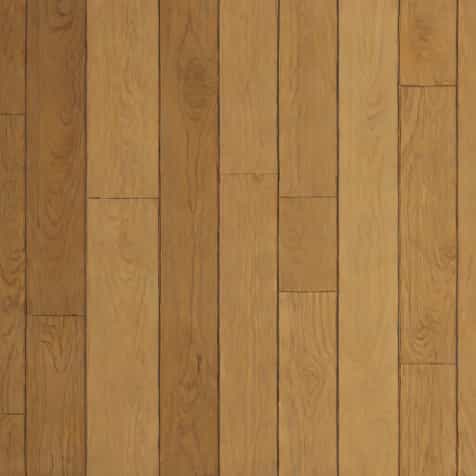
Choosing the right flooring for your home is an important decision that can affect both the aesthetics and functionality of your living space. Two popular flooring options that homeowners often consider are vinyl and hardwood. Each type of flooring offers distinct benefits, costs, and maintenance requirements, making it essential to understand their differences before making a decision. From durability and design options to installation and long-term value, comparing vinyl versus hardwood flooring can help homeowners select the best option for their specific needs and lifestyle.
Overview of Vinyl Flooring
Vinyl flooring is a synthetic material made primarily from polyvinyl chloride (PVC). It is known for its durability, affordability, and versatility. Available in sheets, tiles, and planks, vinyl can mimic the appearance of natural materials like wood, stone, or ceramic while offering a resilient and low-maintenance surface.
Benefits of Vinyl Flooring
- AffordabilityVinyl is generally less expensive than hardwood, making it a budget-friendly option for large areas.
- DurabilityResistant to scratches, stains, and water, vinyl can withstand high-traffic areas and moisture-prone spaces such as kitchens and bathrooms.
- Variety of StylesAvailable in many colors, patterns, and textures, including realistic wood and stone designs.
- Ease of InstallationVinyl planks and tiles often feature click-lock or peel-and-stick installation, which can reduce labor costs and installation time.
- ComfortSofter underfoot compared to hardwood, vinyl provides a slight cushioning effect that is easier on the legs and feet.
Overview of Hardwood Flooring
Hardwood flooring is made from solid wood planks or engineered wood and has been a traditional choice for homes due to its timeless beauty and long-lasting appeal. Hardwood comes in a variety of species, finishes, and plank widths, offering homeowners the ability to create a classic or contemporary look depending on their design preferences.
Benefits of Hardwood Flooring
- Aesthetic AppealHardwood provides a warm, natural look that adds value and elegance to any home.
- LongevityWith proper care, hardwood floors can last decades, and they can be sanded and refinished multiple times to restore their appearance.
- VarietyAvailable in different wood species such as oak, maple, walnut, and cherry, each offering unique grains and tones.
- Increased Home ValueHardwood flooring is a highly sought-after feature for buyers, often boosting resale value.
- Natural MaterialMade from real wood, hardwood is a sustainable choice when sourced responsibly.
Cost Comparison
When comparing vinyl versus hardwood flooring, cost is an important factor. Vinyl flooring is generally more affordable, with prices ranging from $2 to $7 per square foot depending on quality and style. Hardwood flooring, on the other hand, can range from $5 to $15 per square foot or more, with premium wood species and finishes increasing the cost further. Installation costs also vary, as hardwood typically requires professional installation, while vinyl can often be installed as a DIY project.
Durability and Maintenance
Durability is a major consideration when choosing between vinyl and hardwood. Vinyl is highly resistant to moisture, scratches, and stains, making it ideal for high-traffic areas and homes with pets or children. It requires minimal maintenance, usually just sweeping and occasional mopping. Hardwood is more prone to scratches, dents, and water damage. Regular maintenance, such as polishing and refinishing, is necessary to keep it looking its best. Protective measures, such as using area rugs and promptly cleaning spills, can help extend the life of hardwood floors.
Water Resistance
Vinyl flooring is often waterproof or highly water-resistant, making it suitable for bathrooms, kitchens, and basements. Hardwood, especially solid wood, can warp or swell when exposed to excessive moisture, so it is less ideal for areas prone to water exposure. Engineered hardwood provides better moisture resistance than solid wood but still requires careful maintenance.
Scratch and Impact Resistance
Vinyl is generally more resistant to scratches and dents compared to hardwood, which can be easily marked by heavy furniture, pet claws, or high heels. Hardwood can be refinished to remove superficial scratches, whereas vinyl scratches are often permanent. However, high-quality vinyl products with thicker wear layers can provide excellent durability in residential settings.
Installation Considerations
The installation process differs significantly between vinyl and hardwood flooring. Vinyl flooring is easier and faster to install, with options like click-lock planks, glue-down tiles, and peel-and-stick sheets. Many homeowners opt for DIY installation to save costs. Hardwood flooring installation is more complex, often requiring professional expertise to ensure proper alignment, moisture control, and finishing. Engineered hardwood can simplify installation with floating or click-lock systems but still requires careful attention.
Environmental Impact
Hardwood flooring, when sourced from sustainably managed forests, is a renewable and eco-friendly option. It is biodegradable and has a lower chemical footprint compared to vinyl. Vinyl flooring is made from PVC, a synthetic material that involves more energy-intensive production and can release volatile organic compounds (VOCs). However, modern vinyl flooring often meets environmental and indoor air quality standards, and recycling options are improving.
Design and Aesthetic Flexibility
Both vinyl and hardwood offer aesthetic versatility, but they excel in different ways. Vinyl can mimic a wide range of materials and patterns, including exotic woods, stones, and tiles, providing affordable design flexibility. Hardwood offers a natural, authentic beauty with unique grains and textures that cannot be perfectly replicated by synthetic materials. Many homeowners choose hardwood for living rooms, bedrooms, and formal spaces, while vinyl is popular in kitchens, bathrooms, and basements for its durability and water resistance.
Making the Choice Vinyl vs Hardwood
Choosing between vinyl and hardwood flooring ultimately depends on lifestyle, budget, and design priorities. Vinyl is ideal for those seeking a low-maintenance, cost-effective solution that can withstand moisture and heavy traffic. Hardwood appeals to homeowners who prioritize long-term value, timeless elegance, and a natural aesthetic, even if it comes with higher initial costs and maintenance requirements. Some homeowners even combine both options, using hardwood in main living areas and vinyl in moisture-prone or high-traffic spaces.
Both vinyl and hardwood flooring have distinct advantages that make them suitable for different needs. Vinyl offers affordability, durability, water resistance, and a wide variety of design options, making it perfect for practical, high-traffic areas. Hardwood provides unmatched beauty, timeless elegance, and long-term value, making it ideal for formal living spaces and those seeking a classic, natural look. By carefully considering budget, lifestyle, room usage, and maintenance preferences, homeowners can make an informed decision between vinyl versus hardwood flooring, ensuring a beautiful and functional space for years to come.