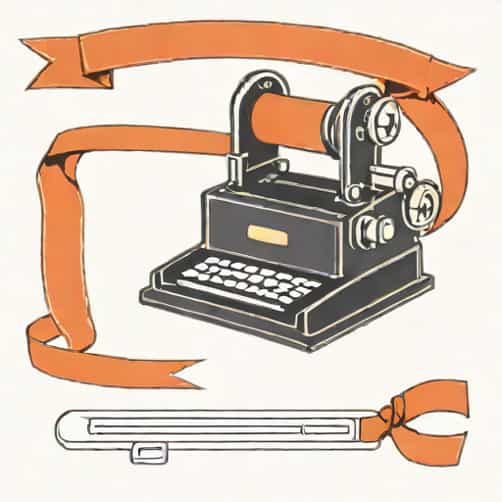
Long before the digital era of payment systems and cash registers, businesses relied on sturdy mechanical machines to keep their financial records secure. Among these was the vintage Paymaster Ribbon Writer, a fascinating piece of office equipment that symbolized both security and efficiency. For decades, the Paymaster was a staple in offices, banks, and small businesses, known for its rugged build and the unique way it processed checks, vouchers, and receipts. Today, collectors, historians, and even interior designers admire the Paymaster Ribbon Writer for its historical value, vintage charm, and distinctive design.
The Origin of the Paymaster Ribbon Writer
The Paymaster Ribbon Writer was developed in the mid-20th century as a way to prevent fraud and streamline financial record keeping. At a time when handwritten checks and documents could be easily altered, the Paymaster offered a more secure method. By imprinting details such as amounts, payee names, and dates directly onto documents with inked ribbons and pressure mechanisms, it reduced the chances of tampering. This machine quickly became a trusted tool in the financial world, and its name became synonymous with security and reliability.
How the Paymaster Ribbon Writer Worked
The functionality of the vintage Paymaster Ribbon Writer was both simple and ingenious. Its mechanical design meant that no electricity was required, making it both portable and dependable. The operator would place a check or voucher into the machine, set the amount using dials or levers, and then press down on the handle. With a firm motion, the Ribbon Writer would imprint the information into the document using an inked ribbon, creating characters that could not easily be erased or changed.
Key Features of the Machine
- Sturdy Metal Construction– The Paymaster was built with heavy steel, ensuring durability and security against tampering.
- Inked Ribbon Printing– Like a typewriter, it used ink ribbons to produce bold and permanent impressions.
- Mechanical Dials and Levers– These allowed precise input of numbers and text without the risk of alteration.
- Anti-Fraud Design– The imprint made by the Paymaster was nearly impossible to alter without damaging the document.
The Role of the Paymaster in Business
During its prime, the Paymaster Ribbon Writer was indispensable for offices and institutions. Banks used it to issue secure checks, businesses relied on it for payroll, and retailers used it to process vouchers. Its importance went beyond convenience-it provided peace of mind in an era when financial fraud was a growing concern. Because of its widespread use, the Paymaster became a symbol of trustworthiness and professionalism.
Vintage Paymaster Ribbon Writer as a Collector’s Item
Today, the vintage Paymaster Ribbon Writer is no longer used in everyday financial transactions, but it has found new life as a collectible. Enthusiasts appreciate it for its historical value, mechanical craftsmanship, and retro design. The solid metal casing, often painted in muted colors like green, beige, or gray, gives it an industrial yet stylish look that appeals to collectors and decorators alike.
Reasons Collectors Value the Paymaster
- Historical Significance– It represents a transitional period in financial technology.
- Mechanical Ingenuity– The fully mechanical operation highlights engineering precision of the mid-20th century.
- Aesthetic Appeal– Its vintage industrial design makes it a popular decorative item for offices and homes.
- Rarity– Well-preserved models with intact ribbons and mechanisms are increasingly difficult to find.
Restoration and Maintenance
For those who acquire a vintage Paymaster Ribbon Writer, maintenance is key to preserving its functionality and value. Many machines still function today with proper care. Restoration often involves cleaning the internal mechanisms, replacing worn ribbons, and ensuring the dials and levers move smoothly. While it may no longer be used for business, keeping it in working condition adds to its authenticity and collectible value.
Decorative and Practical Uses Today
Even though the Paymaster Ribbon Writer is no longer practical for modern banking, it has found new purposes. Many people display it as a piece of vintage décor, especially in offices, libraries, or retro-themed homes. Its industrial design fits well with vintage interiors, and its presence sparks conversation about the history of business technology. Some enthusiasts even use it for novelty printing or as a demonstration of how financial security was once handled.
Creative Uses in Modern Settings
- As a centerpiece in vintage office collections.
- As a teaching tool for explaining business history.
- As a unique prop in photography or film production.
- As a conversation starter in retro-inspired interior design.
Comparing the Paymaster to Other Machines of Its Era
The Paymaster Ribbon Writer was not the only machine designed to secure financial documents. Other brands produced similar check writers and embossers, but the Paymaster stood out for its rugged construction and reliability. Unlike embossing machines that left raised impressions, the Ribbon Writer combined the security of pressure-based printing with the visibility of ink. This dual method made it particularly effective and explains why it remained popular for decades.
Finding a Vintage Paymaster Ribbon Writer for Sale
For those interested in owning one, the vintage Paymaster Ribbon Writer can often be found at antique shops, estate sales, or online marketplaces. Prices vary depending on condition, rarity, and model. Machines with original paint, intact handles, and functional ribbons tend to fetch higher prices. Collectors should also check for serial numbers or identifying marks to confirm authenticity.
Why the Paymaster Still Matters
While the Paymaster Ribbon Writer may seem outdated in today’s digital age, it holds valuable lessons about security, innovation, and craftsmanship. Its design demonstrates how businesses once balanced efficiency with safety, and it reflects an era when mechanical solutions were the backbone of office work. Owning or even viewing a Paymaster today connects us with the ingenuity of the past and reminds us of how far technology has evolved.
The vintage Paymaster Ribbon Writer is more than just an old office machine-it is a window into the history of financial security and mechanical design. Once a daily tool for thousands of businesses, it now serves as a collectible, a decorative piece, and a symbol of trust in commerce. For collectors, enthusiasts, and anyone fascinated by the evolution of business technology, the Paymaster remains a prized artifact. Its blend of durability, history, and charm ensures that it will continue to be appreciated for generations to come.