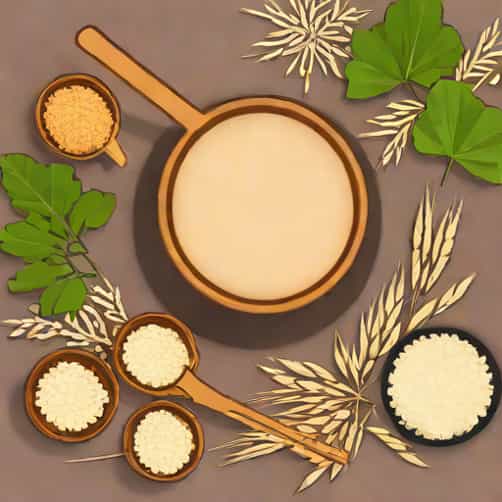
In Vietnamese cuisine, few ingredients are as versatile and culturally significant as glutinous rice flour. Known for its sticky texture and subtle sweetness, this flour is used in countless traditional dishes, from festive desserts to everyday snacks. It is not only an essential pantry item but also a symbol of heritage, connecting generations through food. Whether it is crafted into dumplings, cakes, or chewy treats, Vietnamese glutinous rice flour showcases the creativity and flavor of the country’s culinary identity. Understanding its uses, origins, and role in Vietnamese culture allows us to fully appreciate why it remains a staple in households across the nation and beyond.
What is Vietnamese Glutinous Rice Flour?
Vietnamese glutinous rice flour is made from sticky rice, also known as sweet rice. Despite its name, the flour does not contain gluten; instead, it derives its stickiness from the high starch content. When cooked, it becomes soft, chewy, and elastic, making it ideal for both savory and sweet recipes. The flour is usually finely milled and has a neutral flavor, allowing it to adapt to a wide variety of dishes.
Difference Between Glutinous and Regular Rice Flour
While both glutinous rice flour and regular rice flour are made from rice, they have different properties. Regular rice flour, made from long-grain rice, results in a light and crumbly texture suitable for crispy batters and noodles. In contrast, glutinous rice flour is specifically chosen for recipes that require a chewy or sticky consistency. This unique texture is what sets it apart in Vietnamese cooking.
Cultural Importance of Glutinous Rice Flour in Vietnam
For centuries, glutinous rice has held a special place in Vietnamese traditions and rituals. It is often used during Lunar New Year celebrations, family gatherings, and religious ceremonies. The flour made from this rice is more than just a cooking ingredient; it carries symbolic meaning tied to prosperity, unity, and heritage.
Role in Festivals and Ceremonies
Many Vietnamese festival foods rely on glutinous rice flour. For example, bánh trôi (floating rice cakes) are made during the Cold Food Festival to honor ancestors. Similarly, chewy rice-based desserts are served during Tet, the Vietnamese Lunar New Year, symbolizing family togetherness and the sweetness of life. The use of glutinous rice flour in these contexts highlights its deep-rooted connection to cultural identity.
Popular Dishes Made with Vietnamese Glutinous Rice Flour
From steamed cakes to fried snacks, the possibilities with glutinous rice flour are endless. Below are some of the most well-loved Vietnamese recipes that showcase its versatility
- Bánh trôi and bánh chaySmall sweet rice dumplings filled with sugar or mung bean paste, often served in syrup.
- Bánh ítSticky rice cakes filled with coconut, mung beans, or meat, wrapped in banana leaves and steamed.
- Bánh camDeep-fried glutinous rice balls coated with sesame seeds and filled with sweet mung bean paste.
- Bánh giầySoft, round rice cakes traditionally offered in ceremonies as a symbol of gratitude to ancestors.
- Bánh ránCrispy yet chewy rice cakes often enjoyed as street food, showcasing the flour’s ability to hold texture even after frying.
How Vietnamese Glutinous Rice Flour is Made
The process of making glutinous rice flour begins with carefully selecting high-quality sticky rice grains. The rice is soaked to soften it, then ground into a fine powder using stone mills or modern machines. After grinding, the flour is dried and sifted to achieve a smooth, fine texture. This process ensures that the flour can easily absorb water and create the desired chewy consistency in recipes.
Traditional vs. Modern Production
Traditionally, families would grind sticky rice by hand, creating fresh batches of flour for immediate use. Today, industrial production methods allow for mass processing while maintaining quality. Packaged flour is now widely available in supermarkets, making it convenient for both local cooks and international enthusiasts who want to recreate Vietnamese recipes at home.
Nutritional Value of Glutinous Rice Flour
While often associated with indulgent desserts, glutinous rice flour also provides nutritional benefits. It is a source of carbohydrates, offering energy for daily activities. Though not rich in protein or fiber, it is naturally gluten-free, making it suitable for those with gluten sensitivities. When paired with other nutritious ingredients such as beans, coconut, or fruits, dishes made from glutinous rice flour can be both satisfying and wholesome.
Health Considerations
Because of its high starch content, glutinous rice flour is best enjoyed in moderation. Overconsumption may lead to digestive discomfort, especially for those unaccustomed to sticky foods. However, when enjoyed as part of a balanced diet, it provides a delightful and meaningful addition to meals.
Cooking Tips for Using Vietnamese Glutinous Rice Flour
To make the most of this versatile ingredient, home cooks can keep a few practical tips in mind
- Use warm waterMixing the flour with warm water often helps create smoother dough with better elasticity.
- Balance with other floursCombining glutinous rice flour with regular rice flour or tapioca flour can create varied textures, from chewy to crispy.
- Watch cooking timeOvercooking can make dishes overly soft, while undercooking can leave a grainy texture.
- Experiment with fillingsSweet beans, coconut, and even savory meats work well with the chewy texture of glutinous rice flour.
Global Popularity and Modern Adaptations
Beyond Vietnam, glutinous rice flour is gaining recognition worldwide. Food enthusiasts experimenting with Asian desserts often turn to this flour to recreate authentic Vietnamese treats. Its popularity has also led to creative modern adaptations, such as glutinous rice flour pancakes, fusion pastries, and gluten-free baked goods. These innovations show how a traditional ingredient can evolve to meet contemporary tastes while still honoring its roots.
Availability in International Markets
With the global rise of interest in Asian cuisines, Vietnamese glutinous rice flour is now widely available in Asian grocery stores and online. Many brands offer packaged flour labeled as sweet rice flour or sticky rice flour, making it accessible for anyone looking to try Vietnamese recipes at home.
Vietnamese glutinous rice flour is more than just a cooking ingredient-it is a reflection of cultural tradition, culinary creativity, and everyday life in Vietnam. Its ability to transform into chewy dumplings, crispy snacks, or festive cakes makes it an irreplaceable part of Vietnamese cuisine. At the same time, its spread to international kitchens highlights its universal appeal and versatility. By learning to work with glutinous rice flour, cooks can not only explore the flavors of Vietnam but also connect with a rich culinary heritage that continues to evolve while staying rooted in tradition.