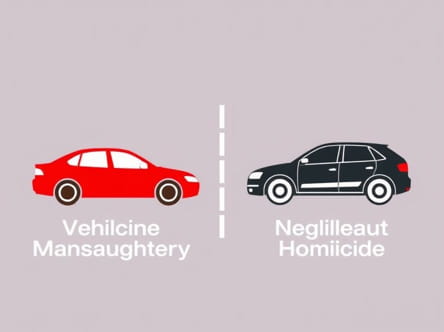
When a death occurs as a result of someone’s actions behind the wheel, the legal system may bring charges such as vehicular manslaughter or negligent homicide. Although both charges involve causing the death of another person through careless or unlawful behavior, they have distinct legal definitions, standards, and consequences. Understanding the differences between vehicular manslaughter and negligent homicide is important for anyone involved in or studying criminal law, especially in the context of traffic-related fatalities. This topic explains what each charge entails, how they differ, and the factors that influence prosecution and sentencing.
Defining Vehicular Manslaughter
Vehicular manslaughter generally refers to the unlawful killing of a person while operating a vehicle. The key element is that the death occurs due to the driver’s criminally negligent or reckless behavior behind the wheel. It is often considered a form of involuntary manslaughter specifically related to vehicles.
Common Causes Leading to Vehicular Manslaughter Charges
- Driving under the influence of alcohol or drugs (DUI/DWI)
- Reckless driving, such as excessive speeding or aggressive maneuvers
- Distracted driving, including texting or using a phone
- Ignoring traffic laws or signals resulting in fatal accidents
Because vehicular manslaughter involves reckless or illegal behavior while driving, it is often prosecuted as a felony and carries serious penalties, including imprisonment, fines, and license suspension.
Understanding Negligent Homicide
Negligent homicide, on the other hand, is a broader legal concept referring to causing the death of another person through criminal negligence. It is not limited to vehicle operation and can apply to any situation where a person fails to exercise reasonable care, resulting in another’s death.
Examples of Negligent Homicide
- A property owner failing to fix hazardous conditions leading to fatal injury
- A caregiver neglecting responsibilities causing a death
- A person mishandling firearms resulting in an accidental death
- Causing death through negligent driving that does not rise to reckless or DUI level
Negligent homicide generally requires showing that the defendant’s conduct fell below the standard of care expected in a given situation, leading to an unintentional death. Penalties vary by jurisdiction but often include fines, probation, or imprisonment depending on the severity.
Key Differences Between Vehicular Manslaughter and Negligent Homicide
Scope of Conduct
Vehicular manslaughter is a specific charge tied to the operation of a motor vehicle, focusing on unlawful or reckless driving behavior. Negligent homicide is a broader offense that can encompass various types of negligent acts beyond driving.
Degree of Negligence
Vehicular manslaughter usually involves a higher degree of negligence or recklessness, such as DUI or aggressive driving, that exhibits disregard for human life. Negligent homicide may involve a lower threshold of negligence, such as a failure to exercise ordinary care.
Legal Elements
- Vehicular ManslaughterRequires proof that the defendant was operating a vehicle unlawfully or recklessly and caused death.
- Negligent HomicideRequires proof that the defendant failed to exercise reasonable care in a way that caused death, regardless of the specific activity.
Penalties and Sentencing
Vehicular manslaughter charges often carry harsher penalties due to the involvement of a vehicle and potential aggravating factors like intoxication. Negligent homicide penalties may be less severe but still include serious consequences based on jurisdictional statutes and case facts.
Examples Illustrating the Differences
Scenario 1 Vehicular Manslaughter
A driver intoxicated on alcohol causes a fatal collision while speeding through a red light. The driver is charged with vehicular manslaughter because their reckless and illegal behavior directly caused the death.
Scenario 2 Negligent Homicide
A property owner neglects to repair a broken staircase despite repeated warnings. A visitor falls, suffers fatal injuries, and the owner is charged with negligent homicide due to failure to maintain a safe environment.
Factors Affecting Prosecution and Defense
Intent and State of Mind
Both vehicular manslaughter and negligent homicide are considered crimes of negligence, meaning there is no intent to kill. However, evidence of recklessness or gross negligence can elevate charges or penalties.
Jurisdictional Variations
Laws differ between states and countries. Some jurisdictions combine these offenses under different names or modify elements and sentencing guidelines. Understanding local laws is critical for accurate classification and legal strategy.
Mitigating Circumstances
Factors such as lack of prior offenses, prompt emergency response, or cooperation with authorities may influence charging decisions and sentencing outcomes.
Legal Procedures and Rights
Individuals charged with either offense have the right to legal representation, fair trial, and appeal. Both offenses typically require thorough investigation, expert testimony, and examination of evidence such as accident reports, toxicology results, and witness statements.
Possible Defenses
- Challenging causation or proving another party was responsible
- Arguing lack of negligence or reasonable care was exercised
- Disputing evidence such as intoxication or recklessness
Vehicular manslaughter and negligent homicide are serious charges involving the unintentional death of another person through careless or unlawful conduct. While vehicular manslaughter specifically addresses reckless or unlawful driving leading to death, negligent homicide covers a broader range of negligent acts causing fatality. Understanding the distinctions between these offenses helps clarify legal responsibilities, potential defenses, and consequences. Anyone facing such charges or seeking to comprehend these terms should consult qualified legal professionals to navigate the complexities of criminal law and ensure their rights are protected. The differences in definitions, scope, and penalties underscore the importance of context and jurisdiction in how these charges are applied and adjudicated.