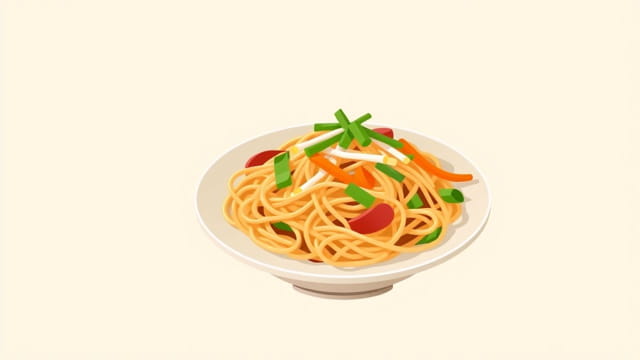
Pad Thai is one of the most beloved dishes in Thai cuisine, known for its perfect balance of sweet, sour, salty, and savory flavors. Traditionally made with fish sauce and shrimp, this dish can easily be adapted for vegetarians without sacrificing its iconic taste. A well-crafted vegetarian Pad Thai recipe can be just as satisfying and aromatic, packed with fresh vegetables, crunchy peanuts, chewy rice noodles, and a tangy tamarind-based sauce. Whether you are cooking for a plant-based diet or simply want a lighter, veggie-focused version of this classic, this guide will show you how to make vegetarian Pad Thai at home with accessible ingredients and easy steps.
Ingredients for Vegetarian Pad Thai
Essential Ingredients
To make an authentic-tasting vegetarian Pad Thai, you’ll need the following base components:
- 200g (7 oz) flat rice noodles
- 2 tablespoons oil (vegetable or peanut oil)
- 2 cloves garlic, minced
- 1 small shallot or onion, finely chopped
- 2 eggs (optional for vegetarians who consume eggs)
- 1 cup firm tofu, cubed
- 1 cup bean sprouts
- 1 small carrot, julienned
- 2 green onions, sliced diagonally
- ¼ cup roasted peanuts, crushed
- Lime wedges for serving
- Fresh cilantro or Thai basil for garnish
For the Pad Thai Sauce
The sauce is the soul of Pad Thai. Here’s a simple vegetarian-friendly version:
- 3 tablespoons tamarind paste
- 2 tablespoons soy sauce or tamari (for gluten-free)
- 1 tablespoon brown sugar or palm sugar
- 1 teaspoon chili flakes (optional)
- 2 tablespoons water to thin the sauce if needed
How to Make Vegetarian Pad Thai
Step 1: Prepare the Noodles
Start by soaking the rice noodles in warm water according to the package instructions. They should be soft but still a little chewy. Drain and set aside. Do not overcook, as they will continue cooking in the wok or pan.
Step 2: Make the Sauce
In a small bowl, combine tamarind paste, soy sauce, brown sugar, and chili flakes. Stir until the sugar dissolves completely. Taste and adjust the balance add more sugar if it’s too sour or more tamari if it needs saltiness. Set the sauce aside for later use.
Step 3: Cook the Tofu
Heat 1 tablespoon of oil in a large wok or skillet over medium heat. Add the cubed tofu and cook until golden brown on all sides. This usually takes about 5 to 7 minutes. Remove from the pan and set aside on a plate lined with paper towel to absorb excess oil.
Step 4: Sauté the Aromatics
Add another tablespoon of oil to the pan. Sauté the minced garlic and chopped shallot for about 30 seconds, or until fragrant. Be careful not to burn them.
Step 5: Cook the Eggs (Optional)
If using eggs, push the garlic and onion to the side of the pan and crack in the eggs. Scramble them gently until just cooked. Vegetarians who do not eat eggs can skip this step and move directly to the next one.
Step 6: Combine Noodles and Sauce
Add the soaked noodles to the pan along with the prepared sauce. Toss everything together gently, using tongs or a spatula to coat the noodles evenly. Add a little water if the sauce looks too thick or the noodles are sticking.
Step 7: Add Vegetables and Tofu
Add the tofu back to the pan along with the bean sprouts, carrots, and green onions. Stir-fry everything for 12 more minutes, just until the vegetables are slightly tender but still crisp.
Step 8: Serve and Garnish
Transfer the vegetarian Pad Thai to serving plates. Sprinkle generously with crushed peanuts and add a handful of fresh herbs like cilantro or Thai basil. Serve with lime wedges on the side so each person can add a touch of citrus to their taste.
Optional Add-Ins and Variations
Alternative Proteins
- Tempeh: For a nutty, protein-rich option.
- Vegan mock meats: Such as soy-based chicken or shrimp alternatives.
- Extra tofu: Silken tofu can be added for a creamier contrast.
More Vegetables
- Bell peppers, thinly sliced
- Snap peas or snow peas
- Broccoli florets, lightly steamed
- Shredded cabbage for crunch
Spice It Up
Add more chili flakes, sriracha, or chopped Thai chili peppers for heat lovers. For a richer flavor, you can stir in a small spoonful of chili oil or sambal oelek just before serving.
Tips for the Best Vegetarian Pad Thai
- Use fresh ingredients: The flavors shine more when vegetables and herbs are fresh and vibrant.
- Don’t overcook the noodles: They can become mushy and lose their signature texture.
- Balance the sauce: Adjust sourness, saltiness, and sweetness to your preference.
- Cook quickly over high heat: Traditional stir-frying relies on fast cooking to seal in flavor and retain texture.
Serving Suggestions
As a Main Dish
Vegetarian Pad Thai is satisfying on its own and doesn’t require many side dishes. However, it pairs well with a simple cucumber salad, Thai iced tea, or a bowl of miso soup for a more complete meal.
For Meal Prep
You can prepare all ingredients in advance and stir-fry them just before eating. Store the cooked noodles and sauce separately for best results. Pad Thai tastes great even the next day, making it an excellent lunch option.
Why Choose a Vegetarian Pad Thai?
Healthier and Lighter
Removing meat and seafood lowers the saturated fat content and makes the dish more digestible. The addition of vegetables increases fiber and vitamin intake, which is great for digestion and energy levels.
Plant-Based Diet Friendly
Whether you’re vegetarian or just trying to eat more plant-based meals, this recipe supports a more sustainable lifestyle without compromising on taste.
Customizable and Inclusive
This version can easily be adjusted for vegans, those avoiding gluten, or anyone with allergies. It’s a great dish to serve at gatherings where dietary needs may vary.
Vegetarian Pad Thai is a flavorful, satisfying, and customizable dish that brings all the bold flavors of Thai cuisine into a plant-based format. With the right balance of sauce, textures, and fresh ingredients, you can create a version that’s just as delicious as the traditional recipe. Whether you’re a seasoned vegetarian or just exploring meatless meals, this vegetarian Pad Thai recipe is easy to prepare and full of color, flavor, and nutrition.