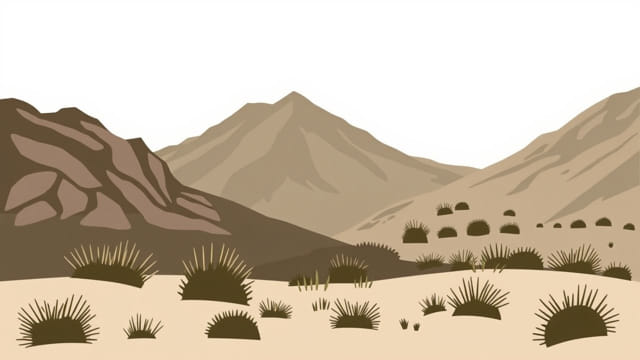
High in the mountainous regions of British Columbia, the Vancouver Island marmot makes its home in some of the most unique and restricted habitats found in North America. These large, charismatic rodents are endemic to Vancouver Island, meaning they are not found anywhere else in the world. Known for their social nature, distinct vocalizations, and endangered status, Vancouver Island marmots are an iconic species within Canada’s biodiversity. To ensure their survival, understanding the marmot’s habitat is essential both in terms of its natural characteristics and the conservation challenges that have emerged over the years.
Geographic Location and Elevation
Where Vancouver Island Marmots Live
The Vancouver Island marmot is found only on Vancouver Island, which is situated off the southwest coast of mainland British Columbia, Canada. More specifically, this species inhabits isolated alpine and subalpine meadows at elevations typically ranging from 900 to 1500 meters above sea level. These meadows are often nestled between forested areas and rocky outcroppings, creating an ideal combination of food sources, visibility, and burrowing terrain.
Habitat Range
The natural range of the Vancouver Island marmot is incredibly limited. Historically, marmots have been observed in around 28 subalpine locations scattered primarily across central Vancouver Island, including Mount Washington, Green Mountain, and Haley Lake. Over time, some populations have gone extinct in the wild, making captive breeding and reintroduction efforts crucial for maintaining their presence in their native environment.
Features of Suitable Habitat
Open Meadows and Grasslands
The primary requirement for a Vancouver Island marmot habitat is the presence of open subalpine meadows. These areas are typically created by natural processes such as snow avalanches or landslides, which clear out forests and leave open spaces that are slowly colonized by grasses, wildflowers, and low shrubs. These clearings provide excellent visibility to spot predators, as well as access to a diverse array of plants for foraging.
Soil Type and Burrowing
Marmots are expert diggers and rely on well-drained, soft soils that allow them to create extensive burrow systems. Their burrows are critical for shelter, reproduction, hibernation, and escape from predators. A marmot’s burrow may be used for many years and can be over 10 meters long with multiple entrances. Ideal habitats, therefore, include areas where soil is not too rocky or compacted.
Vegetation and Diet
The Vancouver Island marmot is herbivorous, feeding on a variety of vegetation including grasses, herbs, sedges, and wildflowers. During the growing season, the diversity and abundance of plant species in subalpine meadows support the marmot’s foraging needs. Preferred plant species include lupines, yarrow, cow parsnip, and various clovers. Marmots spend much of their waking hours eating to build fat reserves for the long hibernation period.
Seasonal Habitat Usage
Summer Activities
In the summer months, marmots are active above ground, socializing, foraging, and maintaining their burrows. This is also the time when young are born and raised. Because summer at higher elevations is relatively short, the marmots must optimize their time for feeding and preparing for the winter.
Winter Hibernation
From late September or early October through to April or May, Vancouver Island marmots hibernate underground. They use deep, insulated hibernation burrows where temperatures remain relatively stable. These burrows are often dug into talus slopes or beneath tree roots to provide natural protection from snow, cold, and predators.
Threats to Habitat
Human Encroachment
Although remote, marmot habitats have been increasingly affected by human activity. Logging, road construction, and ski resort development have altered or fragmented key habitat areas. While clear-cut logging can temporarily create open spaces, these are not equivalent to natural meadows and may lead to unsustainable conditions over time.
Climate Change
Shifts in temperature and precipitation patterns associated with climate change are another concern. Changes in snowpack and seasonal timing can affect vegetation growth, hibernation cycles, and predator-prey dynamics. As snow cover decreases or becomes erratic, the safety and insulation of hibernation burrows could be compromised.
Increased Predation
Human-altered landscapes have facilitated the movement of predators such as wolves, cougars, and golden eagles into marmot habitat. As logging roads and ski slopes provide easier access to previously remote locations, predator pressure on marmots has increased dramatically, especially during reintroduction efforts.
Conservation and Habitat Restoration
Captive Breeding and Release
Conservation organizations such as the Marmot Recovery Foundation have played a pivotal role in saving the Vancouver Island marmot from extinction. Captive breeding centers, including facilities at the Calgary Zoo and Toronto Zoo, breed marmots for eventual reintroduction into restored or protected habitats on the island.
Habitat Management
- Artificial Meadows: In some areas, conservationists have manually created or maintained subalpine meadows by removing encroaching trees or preventing reforestation to preserve open foraging areas.
- Predator Control: Non-lethal predator management, including fencing and deterrents, is sometimes used to protect vulnerable marmot populations after reintroduction.
- Monitoring and Research: Ongoing tracking using radio collars and field surveys provides vital data on marmot behavior, survival rates, and habitat use patterns.
Protected Areas
Some of the key habitats for Vancouver Island marmots are located within protected zones like Strathcona Provincial Park. These areas are free from most forms of development and provide a safer environment for marmot populations to stabilize and grow.
Public Awareness and Community Involvement
Citizen Science and Education
Engaging local communities in marmot conservation has proven beneficial. Volunteers contribute to fieldwork, report sightings, and participate in educational programs. Increased awareness about the uniqueness and fragility of the Vancouver Island marmot helps garner public support for conservation funding and policy decisions.
Eco-Tourism Potential
Although marmots are elusive and shy, they represent a flagship species for Vancouver Island’s mountain ecosystems. Nature-based tourism that emphasizes responsible wildlife viewing and environmental education can play a role in preserving their habitat while benefiting local economies.
The Vancouver Island marmot’s habitat is a delicate, high-elevation ecosystem that requires very specific environmental conditions to thrive. From natural alpine meadows and rich vegetation to safe burrowing grounds and seasonal hibernation sites, every aspect of the marmot’s life is closely tied to its habitat. Conservation efforts focused on habitat restoration, protection, and management are crucial to the species’ survival. While the road to recovery is long and complex, the ongoing dedication of researchers, conservationists, and communities offers hope that these unique animals will continue to whistle through the mountains of Vancouver Island for generations to come.