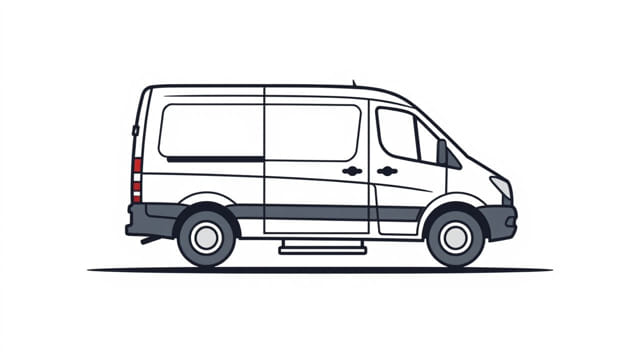
Transporting heavy goods safely and efficiently is a common challenge in many industries. A van with a tail lift provides an ideal solution by combining mobility with a mechanical lifting platform that eases the loading and unloading process. Whether used by delivery companies, moving services, or retailers handling bulky stock, this type of vehicle enhances operational productivity while minimizing physical strain. Understanding the features, uses, and benefits of a van with tail lift is essential for businesses looking to improve their logistics workflow.
What Is a Van with Tail Lift?
Definition and Purpose
A van with a tail lift is a commercial vehicle fitted with a hydraulic or electric platform at the rear. This lift assists in raising or lowering heavy items to and from the van’s cargo area. It eliminates the need for manual lifting, making it particularly useful when transporting goods such as appliances, furniture, construction materials, or bulk retail stock.
How It Works
The tail lift operates through hydraulic or mechanical systems controlled via a panel or remote. It usually folds up against the back of the van when not in use. When engaged, it can be lowered to ground level, loaded with cargo, and then lifted to the van floor height to allow smooth movement of goods inside or out.
Types of Tail Lifts
Column Lift
Fixed vertically on the rear of the van, column lifts are strong and reliable. They’re suitable for heavier loads and are often found on larger vehicles. They require more space to operate but are highly stable and efficient.
Tuckaway Lift
This lift tucks underneath the vehicle when not in use, offering a clean look and preserving rear access. It’s ideal for vans that need to maintain unobstructed loading bays or those used for varied cargo types.
Cantilever Lift
With a platform that tilts as it lifts, the cantilever lift is known for its flexibility and adaptability to uneven surfaces. It’s perfect for fragile goods and is commonly used in logistics, removals, and catering businesses.
Benefits of Using a Van with Tail Lift
Increased Efficiency
Loading and unloading are significantly faster with a tail lift. Employees no longer need to manually carry heavy items, allowing them to move more cargo in less time. This increases delivery turnaround and overall productivity.
Improved Safety
Manual lifting is a common cause of workplace injuries, especially in logistics. A tail lift reduces physical strain, minimizes the risk of back injuries, and ensures safer working conditions for drivers and loaders.
Versatile Application
Tail lift vans are suitable for a wide range of industries. From food and beverage to construction, event services, and medical supply deliveries, these vehicles provide adaptable support for transporting goods of various shapes and weights.
Professional Appearance
Using a van with a tail lift also gives businesses a more professional look. It shows clients and customers that safety and efficiency are priorities, which can build trust and credibility.
Common Uses Across Industries
Retail and E-commerce
Retailers use vans with tail lifts to move stock between warehouses and stores. E-commerce businesses rely on them to deliver large or heavy orders directly to customers, such as electronics, furniture, and home appliances.
Moving and Relocation Services
Professional movers benefit greatly from tail lift vans, especially when relocating offices or homes with bulky items like desks, sofas, and wardrobes. The lift reduces reliance on manpower and speeds up loading operations.
Hospitality and Event Logistics
Hotels, catering companies, and event organizers often use vans with tail lifts to transport food equipment, stages, sound systems, and décor elements. These items are often heavy, delicate, or oddly shaped, requiring careful handling.
Medical and Pharmaceutical
Vans with tail lifts are valuable in the healthcare sector for transporting hospital beds, diagnostic equipment, and medical supplies. The lift ensures that sensitive and high-value items are handled with care.
Choosing the Right Van with Tail Lift
Payload Capacity
Different vans offer various payloads, ranging from light-duty models to heavy commercial trucks. Businesses should select a van that matches their regular load requirements to ensure efficiency and compliance with road regulations.
Lift Capacity and Platform Size
Tail lifts vary in their maximum load capacity, usually between 500 kg to 2,000 kg. The platform size also matters larger platforms accommodate wider or multiple items at once, improving workflow.
Fuel Type and Economy
With rising fuel costs and environmental concerns, choosing between diesel, petrol, or electric models can impact running costs. Electric vans with tail lifts are becoming more popular for urban use due to lower emissions and quieter operation.
Ease of Maintenance
Tail lifts require regular maintenance to operate safely and reliably. Vans from reputable manufacturers often include service packages or offer easier access to replacement parts, reducing long-term maintenance costs.
Rental or Purchase: Which Is Better?
When to Rent
- Short-term projects or one-time events
- Seasonal business spikes (e.g., holiday deliveries)
- Budget constraints or lack of storage space
When to Buy
- Regular, high-volume deliveries or operations
- Customized requirements for specific lift configurations
- Long-term savings compared to continuous rentals
Regulations and Driver Requirements
Licensing
In most countries, driving a van with a tail lift does not require a special license if the vehicle stays under a certain weight class. However, for heavier vehicles, a commercial or HGV license may be required.
Health and Safety Training
Operators of tail lifts should receive proper training. This includes understanding lift controls, securing cargo, and recognizing mechanical faults. Training reduces accidents and ensures compliance with occupational safety regulations.
Vehicle Inspections
Regular inspections of the van and tail lift mechanism are required by law in many regions. Maintenance logs and safety certificates must be kept up to date, especially if the vehicle is used for commercial transport.
Investing in or renting a van with tail lift can significantly improve the efficiency and safety of your operations. From streamlined loading processes to better worker protection, this type of vehicle offers practical benefits across multiple industries. By selecting the right van based on payload, lift type, and usage needs, businesses can increase productivity and deliver superior service to their clients. Whether you’re moving furniture, delivering stock, or managing event logistics, a van equipped with a tail lift is a reliable and strategic choice for modern transport challenges.